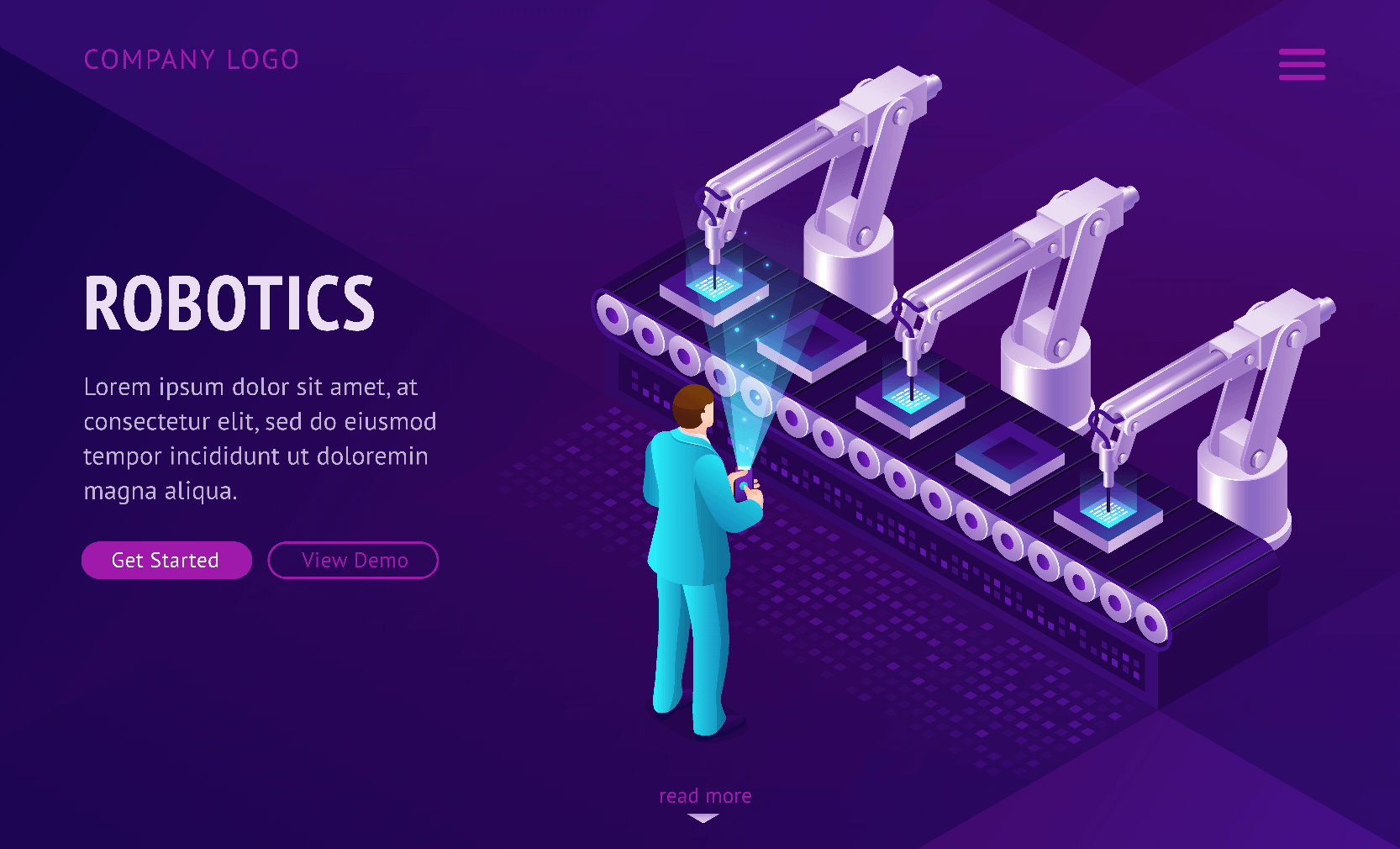
The Fabric Protocol represents a worldwide, decentralized framework championed by the philanthropic Fabric Foundation. Its primary mission is to overhaul the architecture, oversight, and progression of versatile robotic systems. Moving past mere mechanical sophistication, the initiative strives to cultivate a clear, cooperative landscape where mankind and cognitive hardware interact with integrity and shared obligation.
Ambition and Intent
Fundamentally, this movement focuses on the decentralization of robotic engineering. To prevent the field from being monopolized by a few restricted entities, the venture advocates for a communal, accessible blueprint. It empowers global innovators, academics, and enterprises to collectively engineer and regulate automated units, prioritizing reliability, transparency, and enduring viability.
Current Industry Hurdles
The contemporary robotics sector suffers from extreme compartmentalization. Vital information, processing power, and logic protocols frequently reside within "black box" environments, obstructing validation and stifling teamwork. Such opacity hinders creative momentum, elevates operational hazards, and erodes societal confidence in automated intelligence. The Fabric Protocol mitigates these issues by implementing transparent alignment and checkable workflows that instill certainty in robotic-human partnerships.
Technical Methodology
By merging traceable computation with an agent-centric framework—all managed via an immutable public record—the protocol guarantees that every mechanical maneuver, data stream, and policy choice remains scrutinizable. Its adaptable components permit diverse automated entities to synchronize effortlessly, fostering breakthroughs without the need for a central authority. This creates a resilient yet fluid bedrock for pioneering robotics.
Advantages for the Global Ecosystem
For Creators: An unrestricted arena to construct, trial, and launch automated tools through international cooperation.
For Investigators: Access to crystalline data structures and processing models.
For Society: The assurance of protected, answerable machines rooted in ethical principles.
By broadening the circle of contributors, the protocol fast-tracks technological leaps while upholding a standard of moral duty.
A Collective Journey
The Fabric Protocol transcends simple software; it is a shift toward a principled, people-first robotic era. By aligning humans and hardware under common benchmarks, it builds the scaffolding for substantial advancement.