
Stablecoins were once just a trading tool.
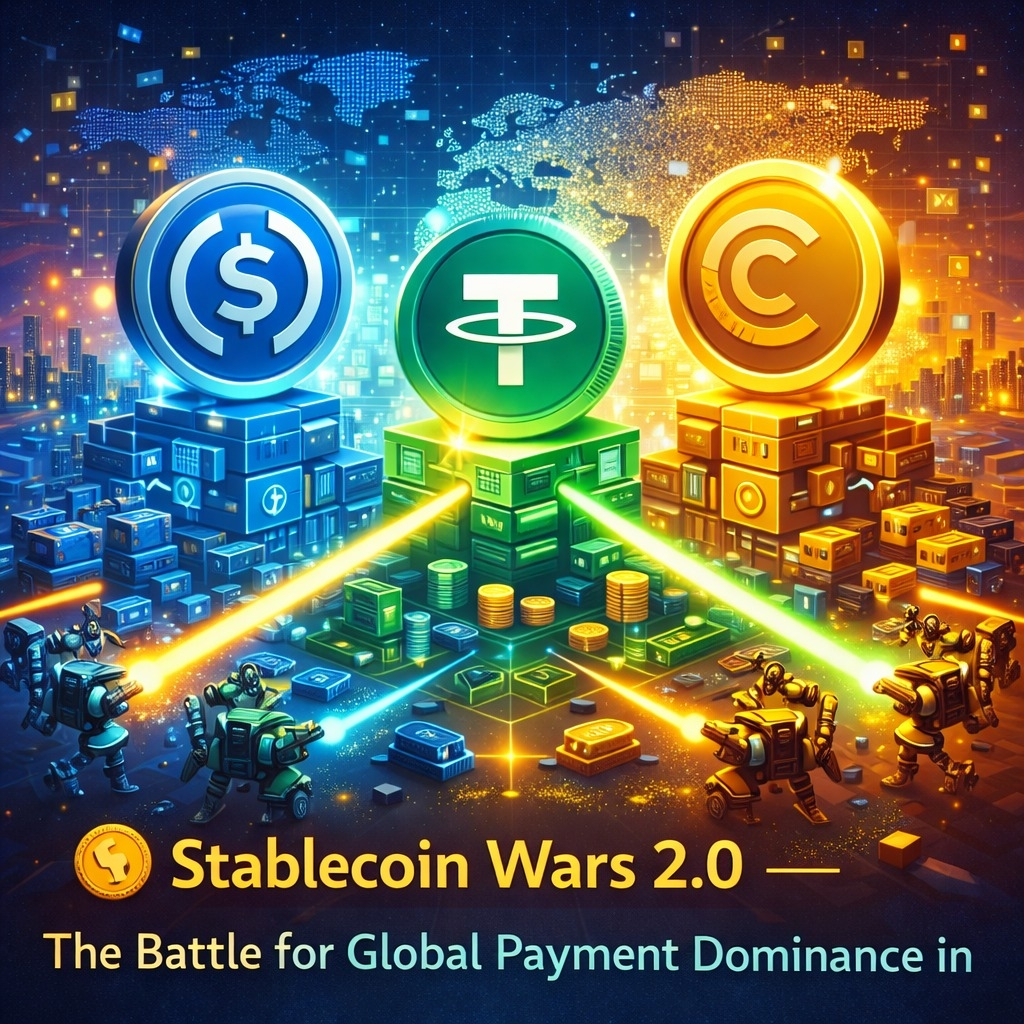
In 2026, they’re becoming the backbone of global digital payments.
The competition is no longer about market cap alone — it’s about adoption in real-world commerce, remittances, payroll, and cross-border settlements.
🌍 What’s Changing This Cycle?
Stablecoins are now integrated into:
• International business settlements
• Freelance and remote payroll systems
• E-commerce platforms
• Emerging market remittance corridors
Faster settlement and lower fees make them a practical alternative to traditional banking rails.
🏦 Institutions Are Entering the Arena
Major financial firms are launching compliant stablecoins backed by regulated reserves.
Governments are closely monitoring — and in some regions, collaborating.
This creates:
• Increased regulatory clarity
• Stronger trust from institutions
• Competition between private and state-backed digital currencies
The stablecoin sector is becoming strategic infrastructure.
📊 Market Implications
As stablecoin usage expands:
• On-chain transaction volumes increase
• DeFi liquidity deepens
• Payment-focused blockchain networks gain traction
• Demand for compliant infrastructure rises
Liquidity stability strengthens the broader ecosystem.
🔮 Final Outlook
In 2026, the biggest crypto growth may not come from speculative rallies —
it may come from quiet payment adoption happening behind the scenes.
Stablecoins are no longer just market tools.
They are becoming digital money for a global economy.
#CryptoTrends2026 #StablecoinWars #DigitalPayments #BlockchainAdoption #BinanceSquare #Write2Earn