I’ve been following crypto for years, and most projects feel like they’re selling dreams or quick flips. Fabric Protocol feels different because it’s tackling something concrete: how do we make sure robots—real physical ones—don’t end up controlled by a handful of big companies? The non-profit Fabric Foundation runs this global open network that lets people build, manage, and improve general-purpose robots together. It’s not just talk; they use verifiable computing so every action a robot takes can be proven on a public ledger, no trust needed in some central boss.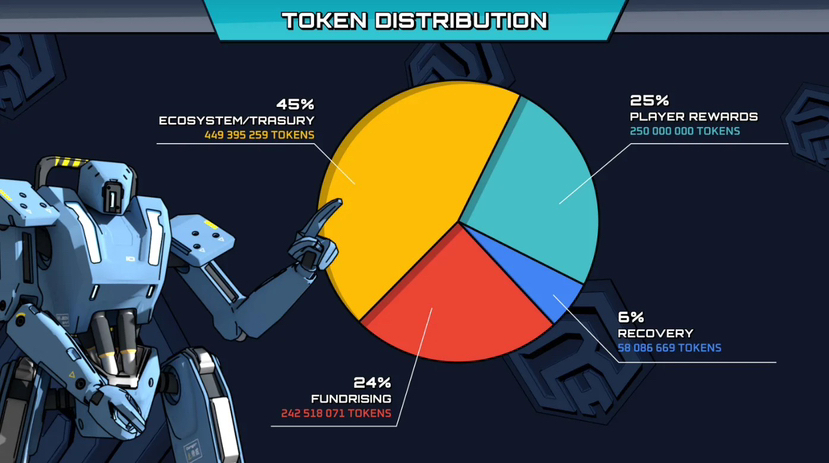
Think about today’s robotics scene. Companies like Boston Dynamics or Tesla keep everything closed—hardware, software, data, even how the machines learn. That creates bottlenecks, safety risks, and basically locks out smaller innovators. Fabric opens it up with a modular setup: one person contributes training data, another deploys hardware, someone else handles compute, and the protocol coordinates it all transparently. Robots get their own on-chain identities, can earn and spend payments automatically, post bonds for reliability, and improve collectively as more people join in.
$ROBO ties it together economically. It’s the token for paying fees when robots use network resources, staking to secure coordination, accessing premium capabilities, and voting on how the protocol evolves. Total supply capped at 10 billion, no endless printing, and emissions tied to actual usage—so as more robots do verified work, settle tasks across borders, or need on-chain compute, the token gets real demand. Recent listings on exchanges have pushed volume up big time, and price swings are normal post-launch, but the utility seems grounded in machine productivity rather than pure speculation.
What draws me in is the safety angle. As AI moves into the physical world—delivery bots, home assistants, warehouse fleets—centralized control becomes scary. Who decides updates? Who owns the data? Who enforces rules? Fabric pushes verifiable proofs and decentralized governance so decisions aren’t dictated by one entity. It’s aligned with DePIN ideas but focused on robotics specifically, making machines accountable participants instead of dumb tools.
We’re still early. Most robots aren’t autonomous economic actors yet, but the foundation is laying rails for when they are. With partnerships and hardware integrations mentioned in updates, plus backing from solid names, it positions Fabric to capture value as the robot economy grows. Not saying it’s guaranteed to moon, but if you’re into narratives where AI meets real-world infrastructure, this one has legs.
Anyone else watching $ROBO closely? Thoughts on staking or how it fits with other AI/robot plays? Always good to hear different takes. #ROBO @Fabric Foundation Protocol