In an increasingly digitized world, the interaction between humans and intelligent systems – often referred to as robots or agents – is evolving at an unprecedented pace. Yet, beneath the surface of innovation, fundamental questions of trust, governance, and verifiable interaction persist. Addressing this critical need is the Fabric Protocol, an ambitious global open network championed by the non-profit Fabric Foundation, aiming to construct a robust infrastructure for the design, oversight, and collective advancement of general-purpose autonomous entities.
The Emergence of Agent-Native Infrastructure
The digital economy is rapidly shifting towards an "agent-native" paradigm, where autonomous programs and robots perform complex tasks, manage resources, and engage in sophisticated interactions. From advanced AI in financial markets to automated systems managing supply chains, the presence of these entities demands a new kind of foundational layer. Traditional infrastructures, built for human-centric interaction, often fall short in providing the inherent verifiability and secure coordination necessary for seamless human-machine collaboration. This is where Fabric Protocol steps in, envisioning a future where robots are not just tools, but integral participants in a verifiable and trustworthy ecosystem.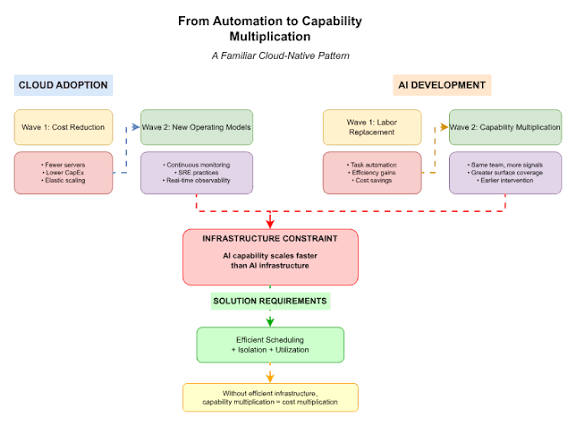
Verifiable Computing: The Bedrock of Trust
At the core of Fabric Protocol's vision is the principle of verifiable computing. In an environment where autonomous agents make decisions and execute actions, the ability to independently verify the integrity of their computations is paramount. This goes beyond simply logging actions; it involves a cryptographic assurance that the process itself was executed correctly, without error or malicious interference. @Fabric Foundation leverages a public ledger to coordinate data, computation, and regulatory parameters, ensuring that every step taken by an agent can be traced, audited, and confirmed by any participant. This transparent and immutable record forms the bedrock upon which genuine trust between humans and machines can be built.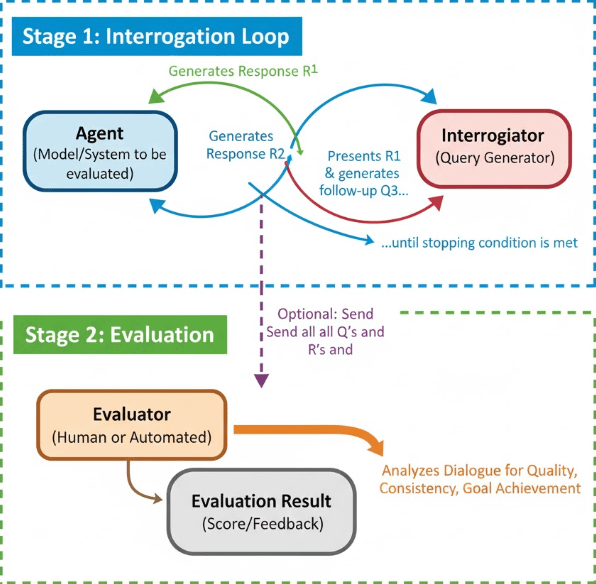
Modular Design for Collaborative Evolution
The protocol's design emphasizes a modular infrastructure, a critical choice for fostering adaptability and enabling collaborative evolution. By breaking down complex functionalities into discrete, interoperable components, Fabric Protocol allows for incremental development, easier integration of diverse agents, and a more resilient network. This modularity is not just a technical convenience; it's a strategic enabler for shared progress. It empowers developers, researchers, and users worldwide to contribute to the collective intelligence and capabilities of autonomous systems, ensuring that their evolution is guided by a broad, decentralized community rather than confined to a few centralized entities. The non-profit Fabric Foundation plays a pivotal role here, acting as the steward of this open network, promoting its growth and ensuring its foundational principles remain intact.
Orchestrating Human-Machine Symbiosis
Ultimately, @Fabric Foundation is designed to facilitate safe and effective human-machine collaboration. It aims to coordinate the diverse elements crucial for this symbiosis: the flow of data, the execution of computational tasks, and the enforcement of established regulations or governance rules. By weaving these threads together through a publicly verifiable ledger, it creates an environment where humans can confidently delegate tasks to autonomous agents, knowing that their operations are transparent, auditable, and aligned with predefined parameters. This framework promises to unlock new frontiers in automation, allowing complex ecosystems of intelligent agents to flourish while maintaining human oversight and ensuring ethical compliance.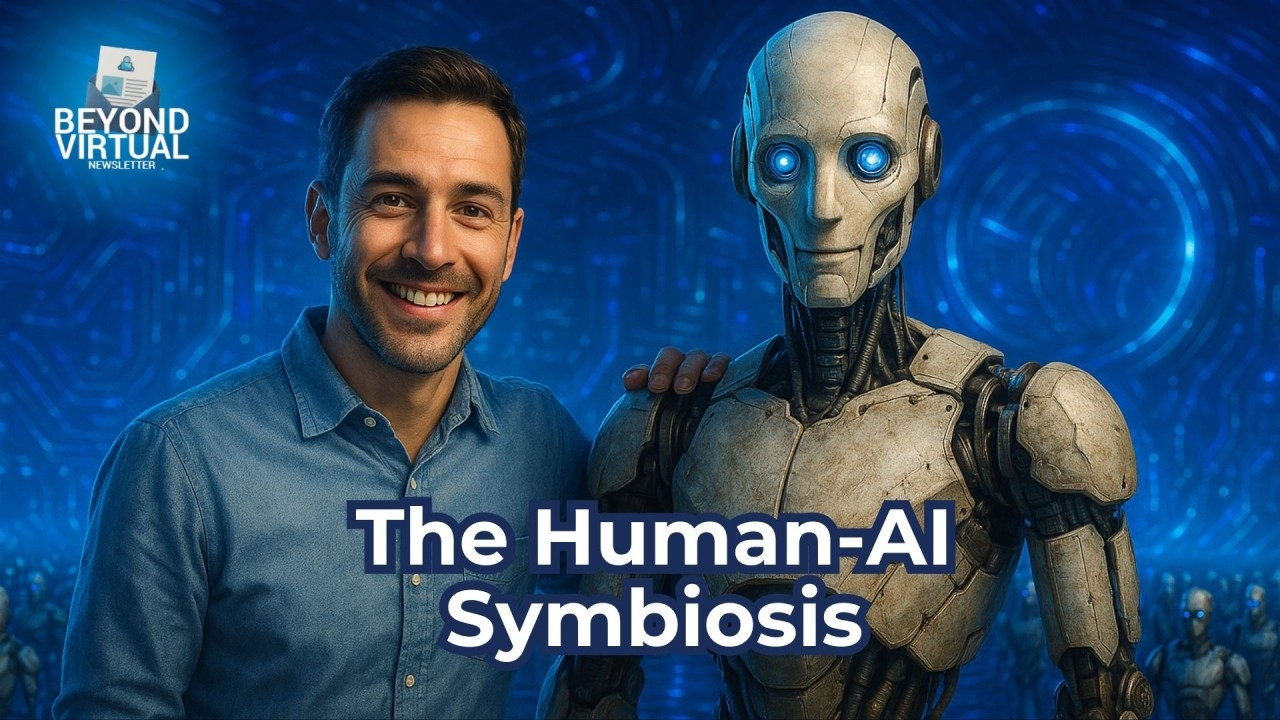
The Unfolding Horizon
The @Fabric Foundation supported by the Fabric Foundation, represents a profound step towards a future where autonomous systems are not just highly capable, but also inherently trustworthy and accountable. By laying down an open, verifiable, and modular foundation, it is paving the way for a new era of digital interaction where humans and advanced agents can collaborate seamlessly, pushing the boundaries of what's possible in a secure and transparent manner. This endeavor underscores a fundamental re-imagining of how trust is built and maintained in the age of advanced AI and decentralized computation. #FabricProtocol