
Fabric Protocol Network: Connecting Data, Value, and Trust at Scale
Crypto is no longer fighting for attention. It’s fighting for infrastructure credibility.
In 2026, the industry’s biggest bottleneck isn’t narratives, memes, or even liquidity. It’s coordination: how data moves, how value settles, and how trust is enforced across an increasingly modular, multi-chain world. Every major trend — restaking, modular blockchains, AI-integrated DeFi, real-world assets — quietly depends on this invisible layer working flawlessly.
That’s where Fabric Protocol Network enters the conversation.
From my perspective, Fabric isn’t trying to be another flashy Layer 1 competing on TPS headlines. Instead, it’s positioning itself as connective tissue — the protocol layer that stitches fragmented blockchains, data systems, and economic incentives into something usable at scale. If successful, this is the kind of infrastructure that doesn’t trend on Twitter immediately — but quietly becomes indispensable.
This article breaks down why Fabric matters now, how it fits current crypto market structure, where the real opportunities and risks lie, and what investors should actually watch beyond marketing claims.
The Real Problem Fabric Is Solving (That Most Protocols Avoid)
Most crypto protocols sell speed. Fabric is selling coherence.
Today’s blockchain landscape looks powerful on paper but brittle in reality:
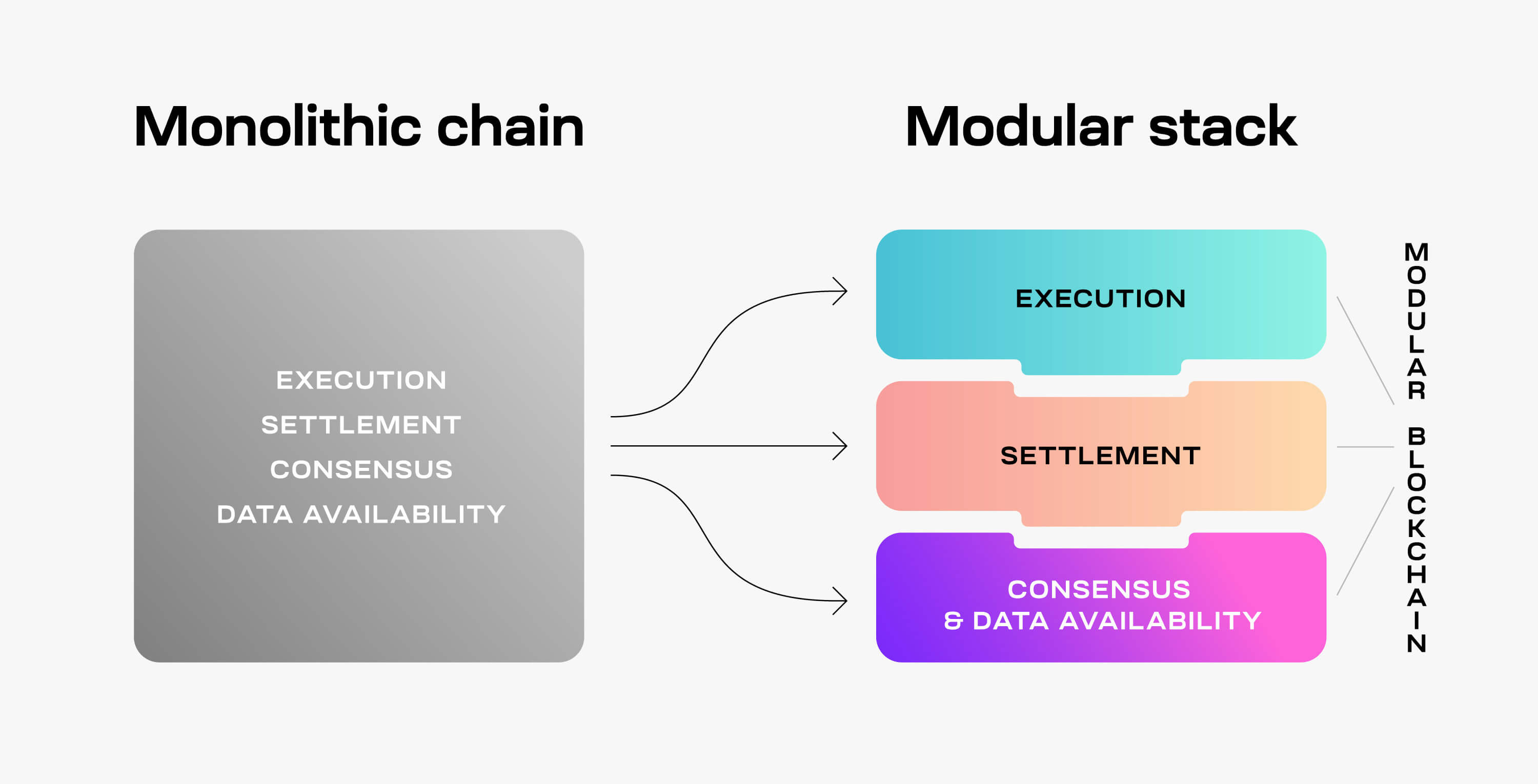
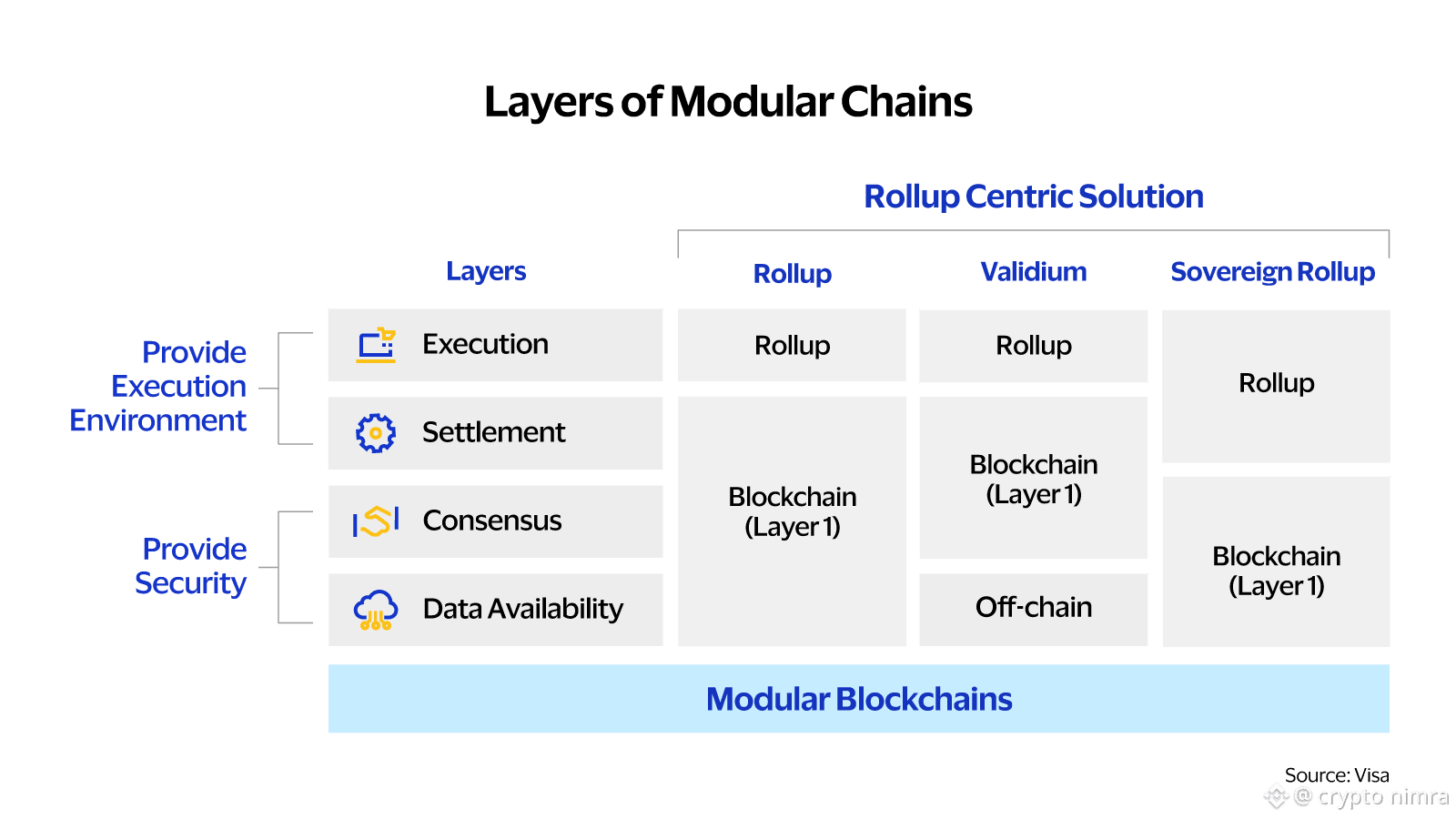
Execution lives on one chain
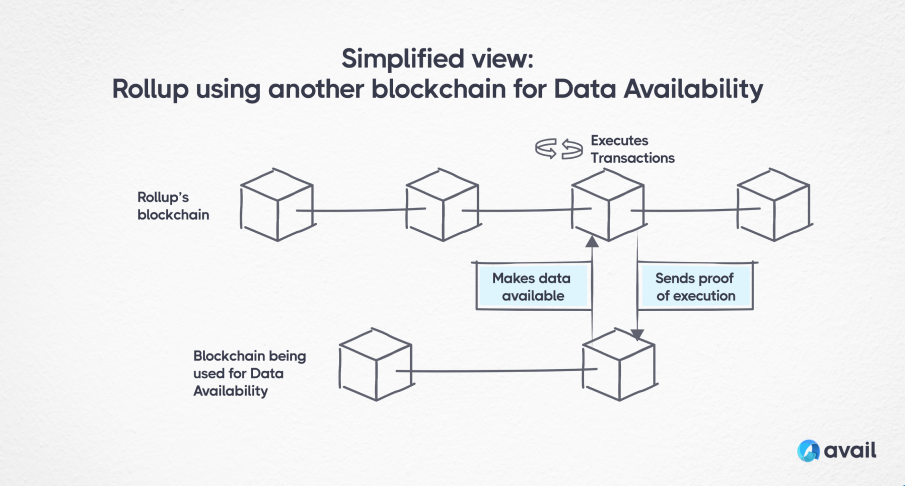
Data availability lives on another
Settlement lives somewhere else
Oracles and off-chain computation sit outside the trust boundary
This fragmentation creates hidden risks: mismatched incentives, latency arbitrage, data inconsistencies, and security assumptions that break under stress.
Fabric’s core thesis is simple but ambitious:
Data, value, and trust should move together — or not at all.
Instead of treating data as a passive resource and value as a separate settlement problem, Fabric integrates them into a unified coordination layer. This allows applications to reason about state, data validity, and economic finality simultaneously.
Where a visual helps:
A layered diagram showing Fabric sitting between execution layers and settlement layers, coordinating data and trust flows.
Fabric’s Architectural Philosophy: Modular, but Not Fragmented
Modularity has become crypto’s favorite word — but it’s often misunderstood.
Most modular stacks today are modular in components but fragmented in coordination. Fabric approaches modularity differently: separate execution environments remain independent, but their data integrity and economic guarantees are synchronized through Fabric’s protocol layer.
Key architectural ideas include:
Composable data primitives that can be verified across chains
Trust-minimized data availability instead of blind reliance on external layers
Economic alignment between data producers, validators, and applications
In practical terms, this means a DeFi app on one execution chain can safely rely on data produced elsewhere — without trusting a centralized relay or opaque oracle committee.
From a systems perspective, Fabric behaves less like a blockchain and more like a distributed operating system for data integrity.
Why Fabric Is Timely in 2026’s Market Structure
Timing matters more than tech.
Right now, several macro trends converge in Fabric’s favor:
1. Modular Chains Are Winning — But Coordination Is Weak
Rollups, app-chains, and sovereign execution layers are exploding. But interoperability remains fragile. Fabric targets the missing layer: verifiable data coordination without sacrificing sovereignty.
2. Restaking and Shared Security Are Reshaping Trust
Protocols are increasingly borrowing security rather than bootstrapping it. Fabric complements this by ensuring what is secured (data + state) is just as important as who secures it.
3. AI + Crypto Demands Reliable Data Pipelines
AI-integrated applications amplify data risks. Garbage data doesn’t just break apps — it breaks autonomous agents. Fabric’s emphasis on verifiable data flows positions it well for this emerging narrative.
4. Institutions Care More About Data Integrity Than TPS
Real-world assets, compliance-heavy DeFi, and enterprise integrations don’t prioritize raw speed. They prioritize guarantees. Fabric’s architecture speaks their language.
Market Activity, Liquidity Signals, and Early Adoption Metrics
While Fabric is still early relative to mature Layer 1s, several on-chain indicators suggest infrastructure curiosity, not speculative hype:
Trading volume tends to spike around ecosystem announcements rather than meme-driven cycles
Wallet activity skews toward developers and infrastructure operators rather than short-term traders
Liquidity depth is thinner than majors but shows improving order-book stability over time
This pattern matters. It suggests Fabric’s market participants are positioning ahead of application-layer demand, not chasing momentum after it’s obvious.
Where a visual helps:
A volume profile chart comparing speculative spikes vs sustained baseline activity.
Where Fabric Creates Economic Value (Not Just Technical Value)
Protocols fail when they confuse usefulness with value capture.
Fabric’s economic design attempts to align:
Data producers (who supply availability and correctness)
Validators (who enforce integrity and finality)
Applications (who pay for trust guarantees)
Instead of extracting rent from every transaction, Fabric monetizes assurance. Applications pay for stronger guarantees when they need them — and less when they don’t.
In my view, this flexible pricing of trust is more sustainable than fixed-fee models. It mirrors how real-world systems price insurance, bandwidth, or compute reliability.
Risks That Should Not Be Ignored
No serious analysis is complete without discomfort.
1. Adoption Risk
Fabric’s value grows with usage. If developers default to simpler — even weaker — alternatives, adoption could lag despite superior design.
2. Complexity Risk
Protocols that sit “between everything” can become difficult to reason about. Poor tooling or unclear documentation could slow developer uptake.
3. Narrative Lag
Fabric is infrastructure-first. That often means slower hype cycles and weaker short-term market attention compared to consumer-facing protocols.
4. Competitive Pressure
Other data availability and interoperability solutions are racing toward similar goals, sometimes with stronger funding or partnerships.
Opportunities That Make Fabric Interesting Anyway
Despite the risks, Fabric’s upside is asymmetric.
If modular architectures continue dominating:
Fabric becomes a default coordination layer
Its token economics benefit from usage-driven demand
Network effects emerge quietly but powerfully
What excites me most is that Fabric doesn’t rely on being “the best chain.” It only needs to be the most trusted connector — a much more defensible position.
Future Outlook: Where Fabric Could Be in 12–24 Months
Looking ahead, three milestones matter more than price:
Anchor Applications
One or two production-grade apps using Fabric as critical infrastructure.Data Standardization
If Fabric primitives become a reference standard, switching costs rise.Cross-Ecosystem Adoption
Integration across rollups, app-chains, and enterprise chains signals maturity.
If these happen, Fabric transitions from “interesting protocol” to systemic infrastructure.
Investor Takeaways (Plain and Practical)
Fabric is a long-horizon infrastructure bet, not a short-term narrative trade
Its value scales with ecosystem complexity — which crypto already has in abundance
Volatility should be expected, but conviction should be rooted in usage metrics, not headlines
Watch developer activity, not influencer sentiment
Personally, I view Fabric as the kind of protocol that looks quiet before it becomes unavoidable. In crypto, those are often the most misunderstood — and sometimes the most rewarding.
Final thought:
Crypto doesn’t need more chains. It needs better coordination. If Fabric executes on its vision, it won’t just connect data, value, and trust — it will redefine how decentralized systems scale responsibility