
⚠️
This article is purely fictional, an attempt to envision extreme geopolitical scenarios. All events and characters mentioned are products of imagination and do not reflect actual military plans.
⚠️
-----
The clock reads 2:47 AM at a desert airbase that doesn't appear on any map. The men wear uniforms bearing no flags, noidentities. Twelve V-22 Osprey transport aircraft spin their rotors in relative silence. On board each, 24 men from a unit whose existence has never been officially acknowledged.

The target: Fordow nuclear facility. Depth: 90 meters beneath the mountain. The mission: not bombing, not shelling. The mission is a breach.
-----
What Hasn't Been Done Yet... and Why?
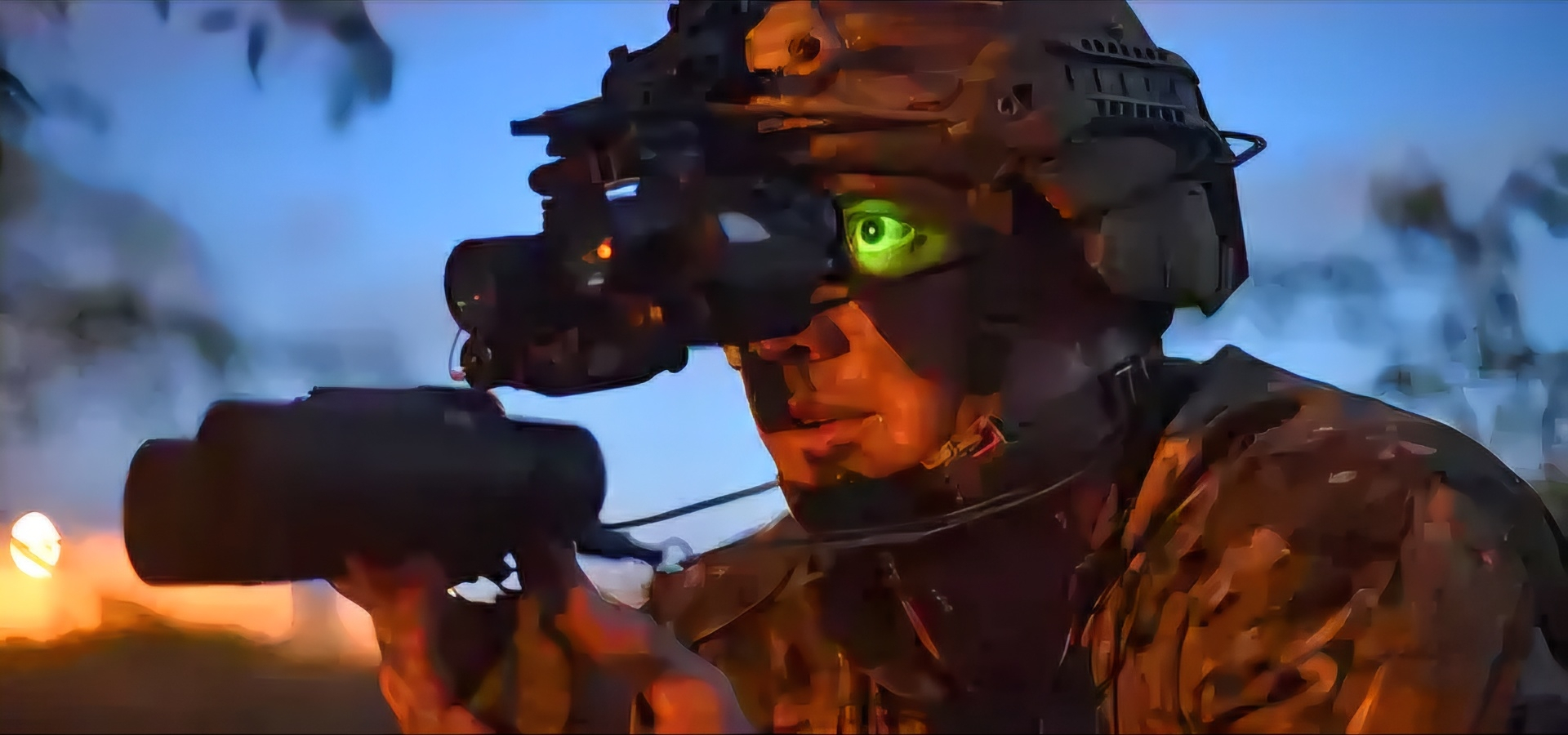
Observers have long wondered: If Israel has the capability to strike Iran, and if the United States possesses the most powerful military arsenal in history, why haven't Iran's nuclear facilities been bombed yet?
The answer might be simpler and more terrifying than anyone thinks: Because airstrikes aren't the best option. The best option requires boots on the ground.
Natanz is fortified underground. Fordow is carved into the heart of a mountain. Bombing them requires bunker-buster munitions that might not guarantee destroying the centrifuges entirely, and could release nuclear radiation into the atmosphere. But more importantly: airstrikes leave scientists alive, leave documents intact, and leave enriched uranium in place.
A ground assault means something else entirely. It means control, looting, kidnapping, and disappearance.
-----
The Night of the Raid: A Fictional Scenario

3:12 AM. The aircraft hover so low that Iranian air defense radars mistake them for birds or electronic jamming. Rear doors open. Ropes descend. Within 90 seconds, 288 fighters stand on Iranian soil.
The groups split:
· Group A: Heads toward the main facility entrance. Precision explosives blow the outer door. Iranian guards die before touching alarm buttons.
· Group B: Searches for ventilation shafts. Silent gas canisters descend 80 meters deep. Scientists and internal guards lose consciousness within minutes.
· Group C: Carries portable radiation scanners. Searches for the main storage chamber. The enriched uranium is stored in cylindrical containers. Each container weighs hundreds of kilograms. The men are trained to carry them.
Inside, the scene is surreal. Centrifuges spin silently. Control screens flicker. Then suddenly, internal doors explode inward. Men wearing night vision goggles run through corridors. Hand signals only. Not a single word.
Dr. Karimi, the senior Iranian physicist on the night shift, finds himself gagged and bound in 17 seconds. He tries to resist but receives a mild electric shock. In his mind, he screams: "How did they get here?"
Outside the facility, a heavy C-17 transport plane lands in a nearby desert area temporarily lit by chemical green lights. The men transfer 23 cylinders of enriched uranium. They transfer 11 nuclear scientists, some in their pajamas, some with minor injuries. They transfer boxes of documents and hard drives.
4:48 AM. The first plane takes off. 5:23 AM. The last soldier leaves Iranian soil.
The operation took 2 hours and 11 minutes. Not a single Iranian missile was launched. No alarm was raised. By sunrise, the uranium and scientists were somewhere unreachable. Somewhere that doesn't appear on maps.
-----
The Indicators Suggesting This Is Possible
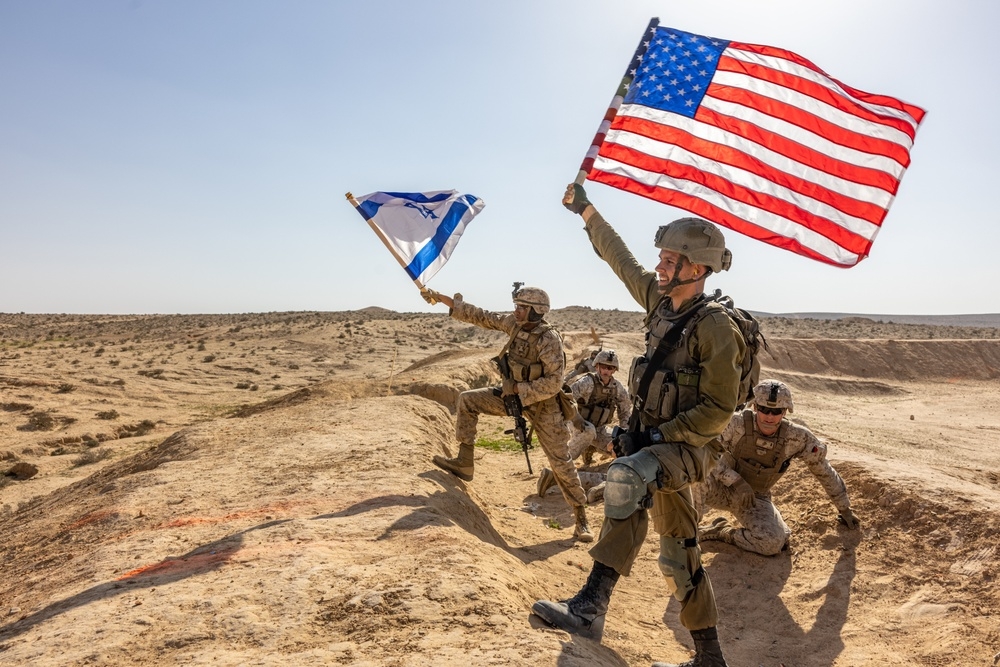
Why do experts think this scenario isn't just science fiction? Because the indicators exist:
1. Joint Exercises: The US and Israel conduct joint ground maneuvers in the Mediterranean and Cyprus simulating the storming of tunnels and underground facilities.
2. Specialized Weapons Development: The bunker-buster bombs America developed (GBU-57) weren't purchased just for show. But Iranian tunnels are deeper than their capability. The only solution: storming them.
3. Previous Assassinations: Since 2010, many Iranian nuclear scientists have been assassinated. The assassinations were a message. But why stop at messages when you can take the men themselves and interrogate them?
4. Intelligence Silence: No major breach of Iranian facilities has been reported recently. Silence sometimes means something big is being prepared.
-----
After the Operation: What If It Succeeds? And What If It Fails?
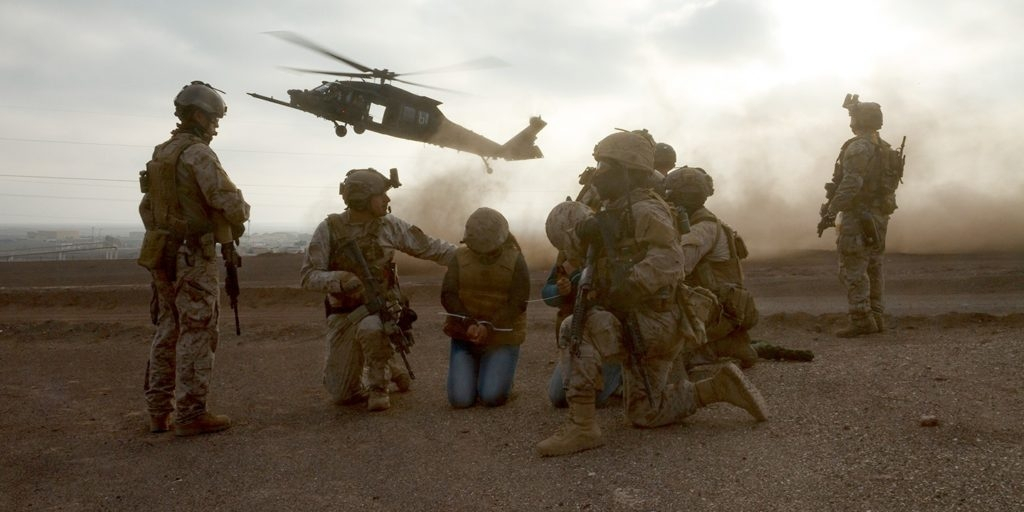
If the Operation Succeeds
Imagine waking up in the morning to hear that Iran woke up to a catastrophe: its uranium vanished, its scientists kidnapped, its facilities intact but empty.
Global markets:
· Oil: Jumps immediately to $150 per barrel. Then retreats when it becomes clear full-scale war hasn't erupted.
· Gold: Soars past $2,500.
· US Stocks: Collapse in the first days due to panic.
Bitcoin and Cryptocurrency:
· In the first hours: sharp crash. Investors flee to the dollar. Liquidity dries up. Bitcoin loses 20% of its value.
· After 48 hours: when the world realizes Iran has lost its nuclear capability for years, and that war hasn't occurred, markets begin recovering. Bitcoin leads the rebound. Why? Because uncertainty ended, and because capital seeks assets with limited supply.
· Altcoins: privacy-focused coins (like Monero) might see sudden demand. Why? Because the world realized nations can be robbed overnight. Privacy became a commodity.
The success scenario means: rapid shock, then violent recovery. Digital gold (Bitcoin) proves itself a safe haven in a world where uranium disappears just like trust disappears.
-----
If the Operation Fails
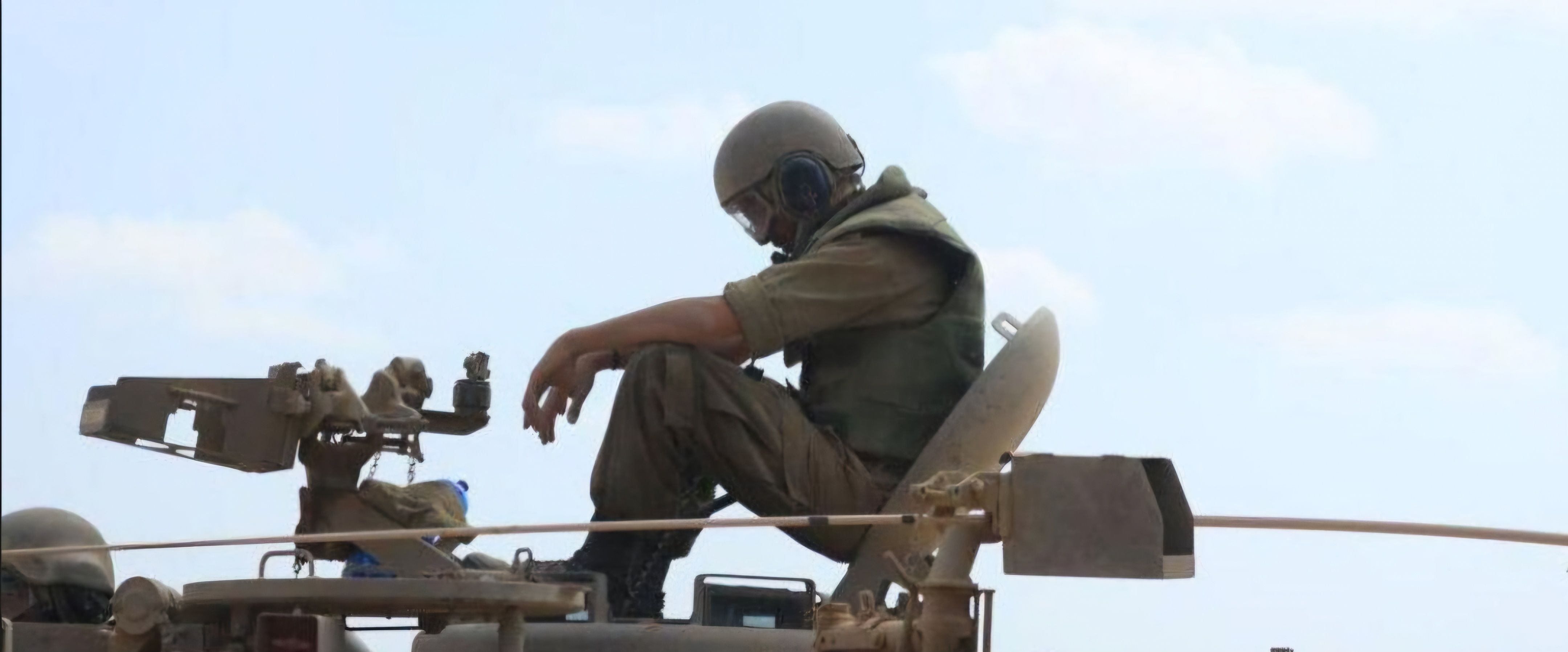
Imagine the catastrophe: An Osprey aircraft crashes on Iranian territory. A soldier is killed and his body recovered. The operation map is found. The unit's identity is revealed.
Iranian response:
· Ballistic missiles on Israel
· Attacks on US bases in Iraq and Syria
· Closure of the Strait of Hormuz
· Hezbollah enters the war from Lebanon
Markets:
· Oil: No one knows a ceiling. $200, $300? The market loses control.
· Global Stocks: Biggest crash since 2008.
· Commodities: Everything rises. Wheat, gold, silver.
Bitcoin and Cryptocurrency:
· The initial collapse: harsher than we can imagine. Bitcoin could lose 50% in days. Forced liquidation of leveraged positions creates a death spiral.
· Altcoin market: evaporates. 90% of coins lose 80% of their value.
· But... after the first weeks, a new story begins. Regional war means sanctions, asset freezes, account seizures. The wealthy in the region look for an exit. Bitcoin becomes the only exit.
· Demand for cryptocurrency from the Middle East rises unprecedentedly. Decentralized platforms register record numbers.
Military failure creates existential success for Bitcoin. War reminds the world: The assets that states cannot confiscate are the only assets you truly own.
-----
Conclusion: The World After the Great Night
Whether this operation is executed or not, whether it's just strategic imagination or a real plan in the Pentagon drawer, one thing is certain:
Iran's nuclear program is no longer just a military threat. It has become a poker chip in a larger game. And any radical move against it will have repercussions far beyond borders.
Uranium can be looted, scientists can be kidnapped, but the uncertainty such an event would leave behind will remain for years.
And in this new world, where states disappear and others emerge, where facilities are robbed and minds are abducted, one encrypted digital currency remains, recognizing no borders, fearing no commandos, caring nothing about who has uranium and who doesn't.
Bitcoin doesn't care who won the operation. Bitcoin only cares who's still standing afterward.


$pepe
#XCryptoBanMistake #GoldSilverOilSurge #IranConfirmsKhameneiIsDead #USIsraelStrikeIran