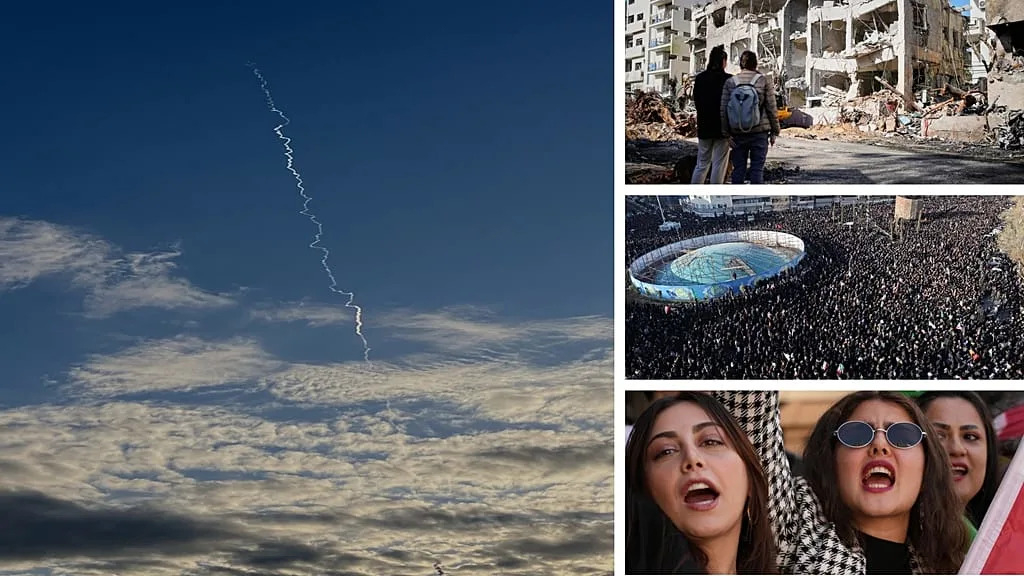
Tensions between Iran, the United States, and Israel have exploded into full-blown warfare. On 28 February 2026, a massive coordinated military offensive was launched by the United States and Israel against Iran, marking one of the most serious confrontations in decades in the Middle East.
The campaign, described by Western officials as Operation Epic Fury (also referenced in some sources as Operation Lion’s Roar), involved a major daytime aerial and missile assault on Iran. Iran’s Supreme Leader, Ayatollah Ali Khamenei, has been confirmed killed in the strikes.
The assault hit hundreds of military, missile and nuclear-related sites across Iran, including Tehran. High-ranking Iranian commanders including the defense minister, the Revolutionary Guard chief and other senior leaders were killed in the initial barrage.
The conflict has already caused major civilian loss of life. Iranian authorities say dozens of children died when a school was hit in a strike on Shajareh Tayebeh primary school in southern Iran, which has sparked global outrage.
Iran’s internet access has also been severely disrupted after widespread cyberattacks and bombing damaged communications networks.
Iran has vowed revenge and launched multiple rounds of ballistic missile and drone strikes against Israeli cities including Tel Aviv and against U.S. military bases across the Middle East. Iranian Revolutionary Guard sources claim attacks have targeted over two dozen U.S. bases in the region, including Iraq and Bahrain.
Explosions and damage have been reported in Israel, and dozens of people, including at least 20 civilians, were wounded in missile impacts. Iran’s leadership says the conflict will continue until the “enemy is decisively defeated.”
The war has triggered emergency responses across the Middle East. Many countries closed their airspace, disrupting flights between major cities, including cancellations of scheduled flights between Nepal and Gulf hubs.
Global powers are scrambling to respond:
United Nations officials warned the conflict could expand and urged all sides to stop violence.
China has called for an immediate ceasefire, warning that further escalation could destabilize the whole region.
Analysts warn the conflict could continue for weeks or months, with several dangerous possibilities:
Full-scale regional war involving Gulf states, Lebanon, Syria, or Iraq as battlefields.
Oil market shocks and global economic instability if the Strait of Hormuz is closed or threatened.
Proxy escalation, with militant groups tied to Iran striking Israeli or Western interests.
Wider great-power tension, with Russia and China opposing U.S. and Israeli actions diplomatically.
No side shows signs of backing down soon, and there is no negotiated ceasefire yet. The danger now is not limited to the battlefield it threatens political stability across Asia, Africa, and beyond.
#IranConfirmsKhameneiIsDead #USIsraelStrikeIran #MarketRebound #BitcoinGoogleSearchesSurge