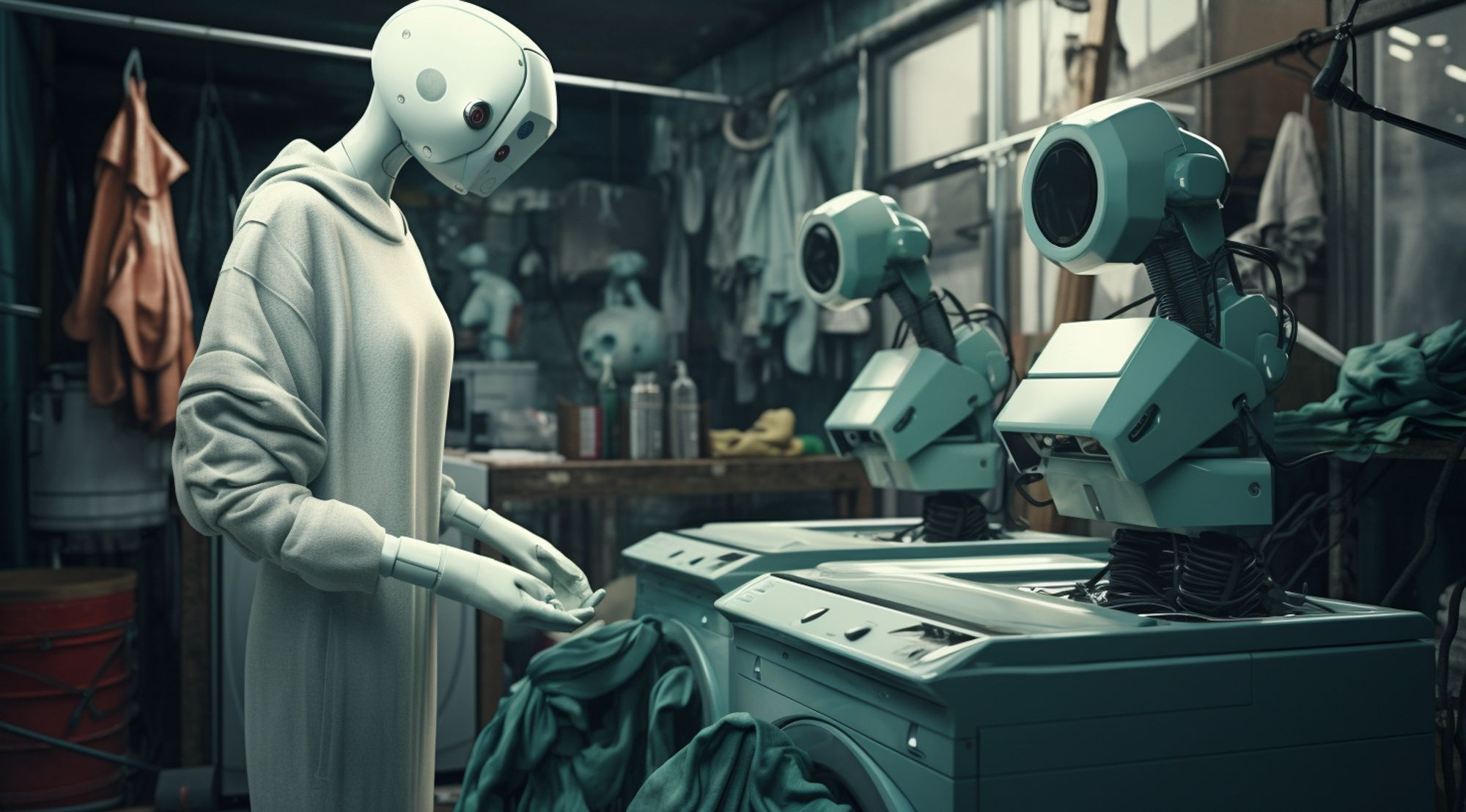
The traditional economy is built on human-to-human contracts, but the next decade will be defined by Machine-to-Machine (M2M) interactions. As we scale autonomous systems, we face a massive hurdle: current financial and legal infrastructures are too slow and expensive for the micro-second needs of an automated workforce. This is exactly the friction point the Fabric Foundation is resolving.
By creating a decentralized "operating system" for robotics, @FabricFND is providing the layer of trust that global industries have been waiting for. We are moving beyond the hype of AI-generated text and into the era of Tangible Utility.
$ROBO: The Utility Behind the Autonomy
The $ROBO token serves as the essential connective tissue in this new landscape. It isn't just a speculative asset; it is a functional tool designed for:
Micro-Transaction Scaling: Enabling robots to pay for electricity or data in real-time without traditional banking overhead.
Security & Identity: Each unit on the network uses $ROBO to maintain its decentralized identity (DID), ensuring that only authorized machines can access secure facilities or data streams.
Neutral Infrastructure: Because the Fabric Foundation is a non-profit, the ecosystem remains a neutral ground where competitors can collaborate without fearing a single corporate monopoly.
The Path Forward
For those of us tracking the intersection of Web3 and physical infrastructure (DePIN), #ROBO represents one of the most sophisticated applications of blockchain technology to date. It isn't about "replacing" humans; it’s about providing the infrastructure that allows humans to manage vast, autonomous fleets with total transparency and security.
As the #ROBO ecosystem continues to expand its partnerships with hardware manufacturers, the value of a unified, decentralized standard becomes undeniable. The "Robot Economy" is no longer science fiction—it is a live deployment, and it is being built on the Fabric Protocol.