
The evolution of robotics is moving beyond simple automation and entering the realm of true autonomy. For years, we have seen machines perform repetitive tasks in controlled environments, but the next phase requires something more: a decentralized coordination layer that allows hardware to interact with the world as an independent economic actor.
The Vision of @Fabric Foundation
The Fabric Foundation is at the forefront of this shift, providing the essential infrastructure where "atoms meet bits." In a traditional centralized system, a robot is just a tool owned by a corporation. Under the framework provided by @Fabric foundation, a robot can possess a verifiable identity, allowing it to own its data, negotiate service contracts, and even pay for its own maintenance without human intervention.
Powering Autonomous Transactions
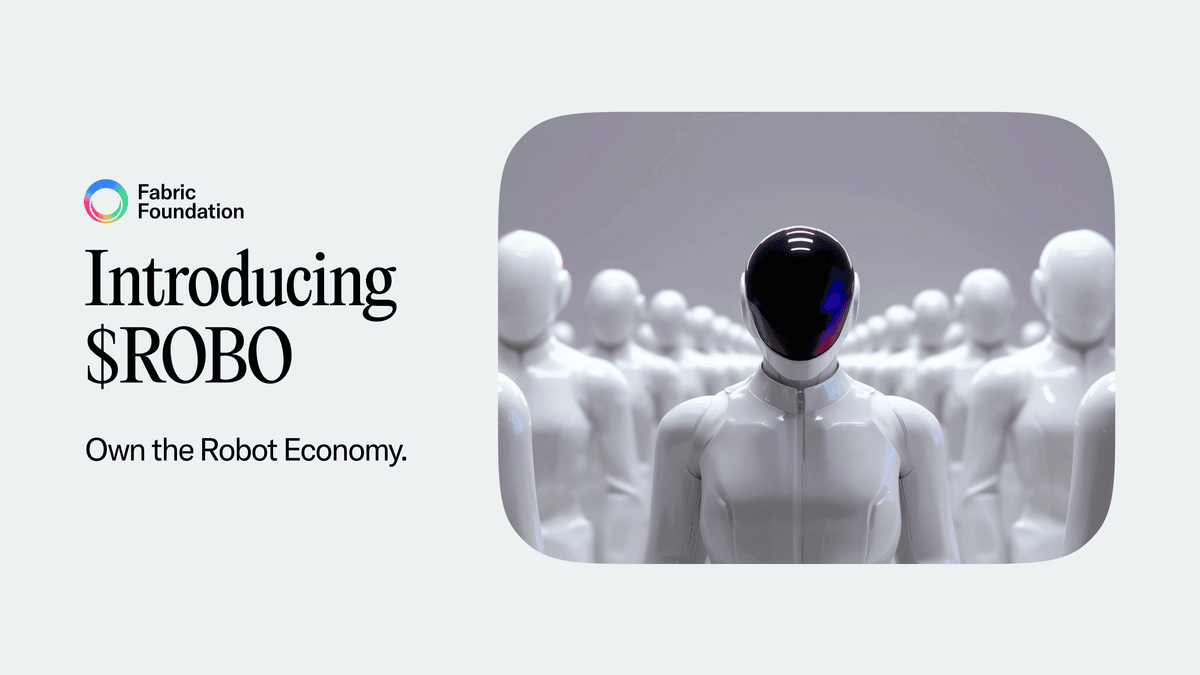
To make this vision a reality, the ecosystem requires a medium of exchange that is as fast and programmable as the AI driving the machines. This is where $ROBO becomes the heartbeat of the network. By using this native asset, the foundation enables a seamless machine-to-machine (M2M) economy. Whether it’s a drone paying for a landing pad or a sensor selling environmental data to a research firm, the transaction is settled instantly on-chain, ensuring transparency and trust in every interaction.
Why "Verifiable" Matters
Security is the biggest hurdle for the robot economy. If a machine is making decisions that affect the physical world, those decisions must be traceable. The Fabric Foundation ensures that every instruction and payment is cryptographically secured, preventing unauthorized overrides and ensuring that the "Robot Economy" remains open, permissionless, and safe for everyone involved.
As we look toward a future filled with autonomous agents, the goal is clear: we aren't just building better tools; we are building a new class of digital-physical citizens. 🚀