

Fabric Protocol: Building a New Era for Robots
Robots and artificial intelligence are no longer just futuristic concepts—they are becoming part of our everyday reality. But as robots grow smarter and more autonomous, the systems that manage identity, ownership, payments, and governance are still designed for humans. Enter Fabric Protocol, a global open network built for robots and autonomous agents—a secure, transparent, and community-driven ecosystem.
The project is supported by the Fabric Foundation, a nonprofit organization focused on ensuring that advanced robotics and intelligent agents benefit everyone, not just a handful of corporations.
Open and Shared Infrastructure: The Next Generation
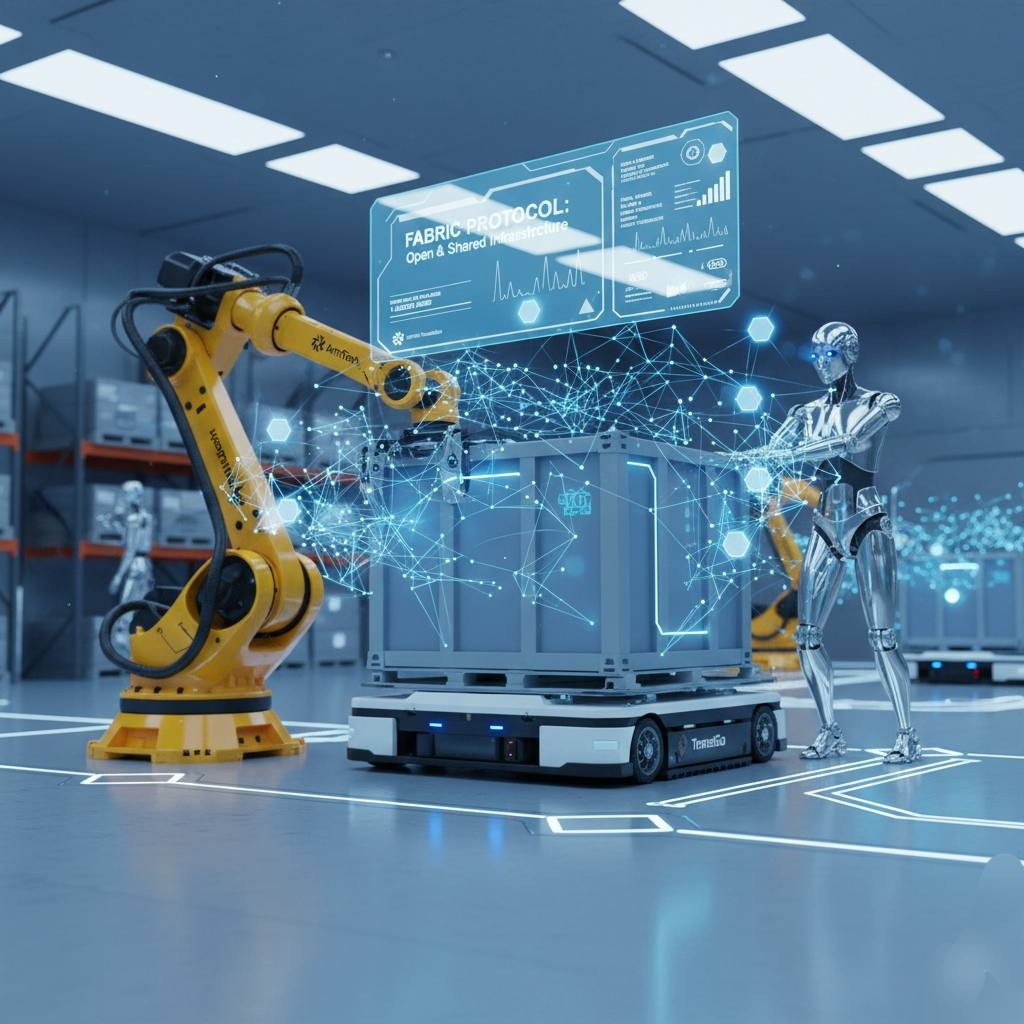
Today, most robotics companies create their own closed systems. This makes it difficult for robots from different manufacturers to communicate or share new capabilities. Fabric Protocol fills this gap.
It provides an open infrastructure layer where robots can be created, coordinated, upgraded, and governed together. Developers, operators, and robots can connect in one shared network, making it easier to collaborate, implement improvements, and explore new use cases without starting from scratch every time.
Verifiable Computing: Proof of Robot Actions
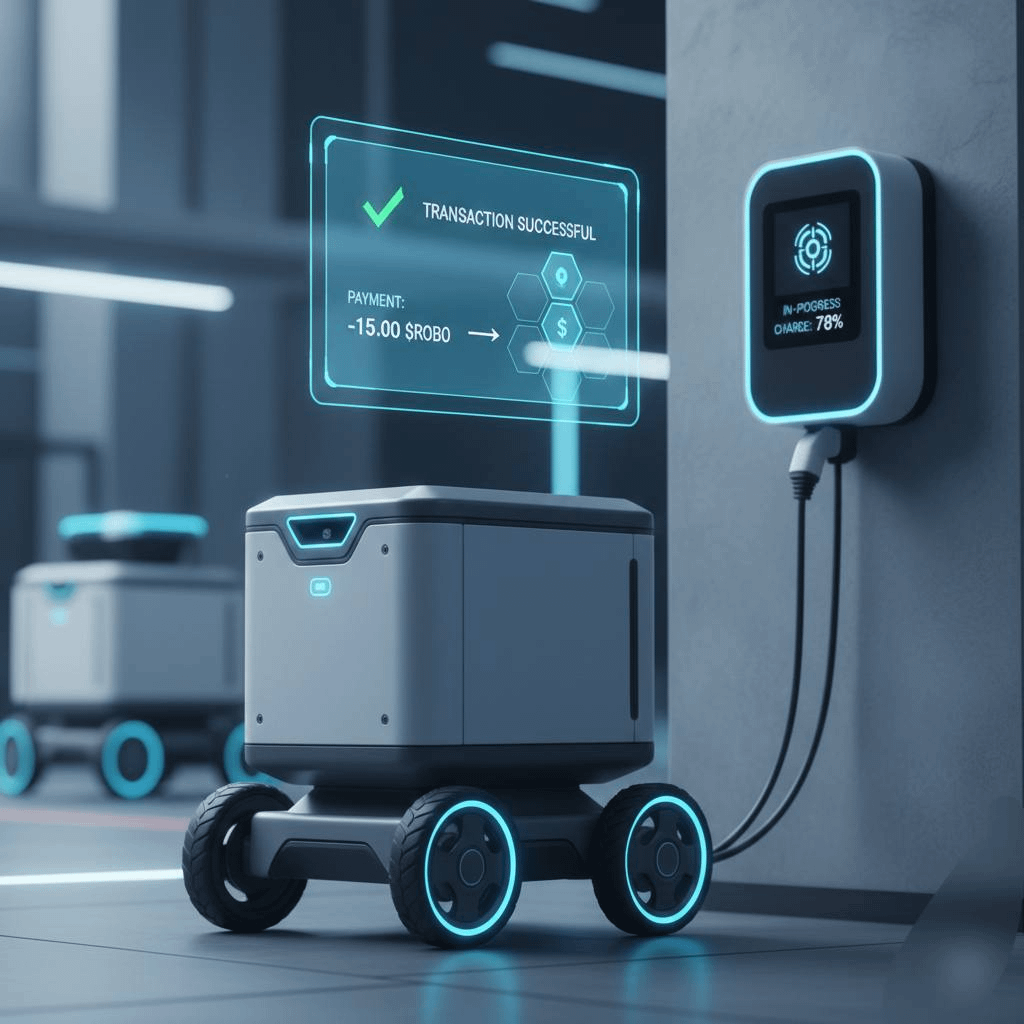
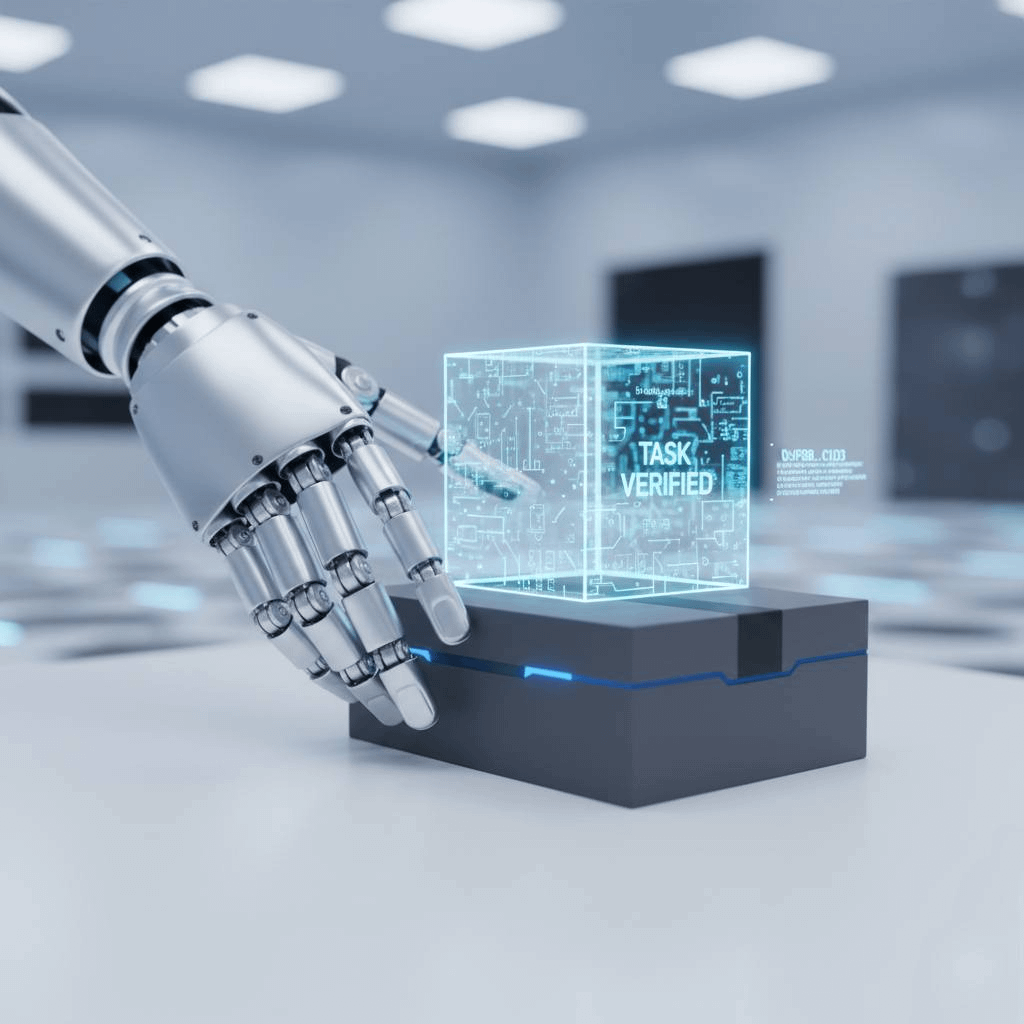
At the heart of Fabric is verifiable computing. This means that when a robot completes a task, the result can be confirmed on-chain. Actions are no longer just claims—they are provable records.
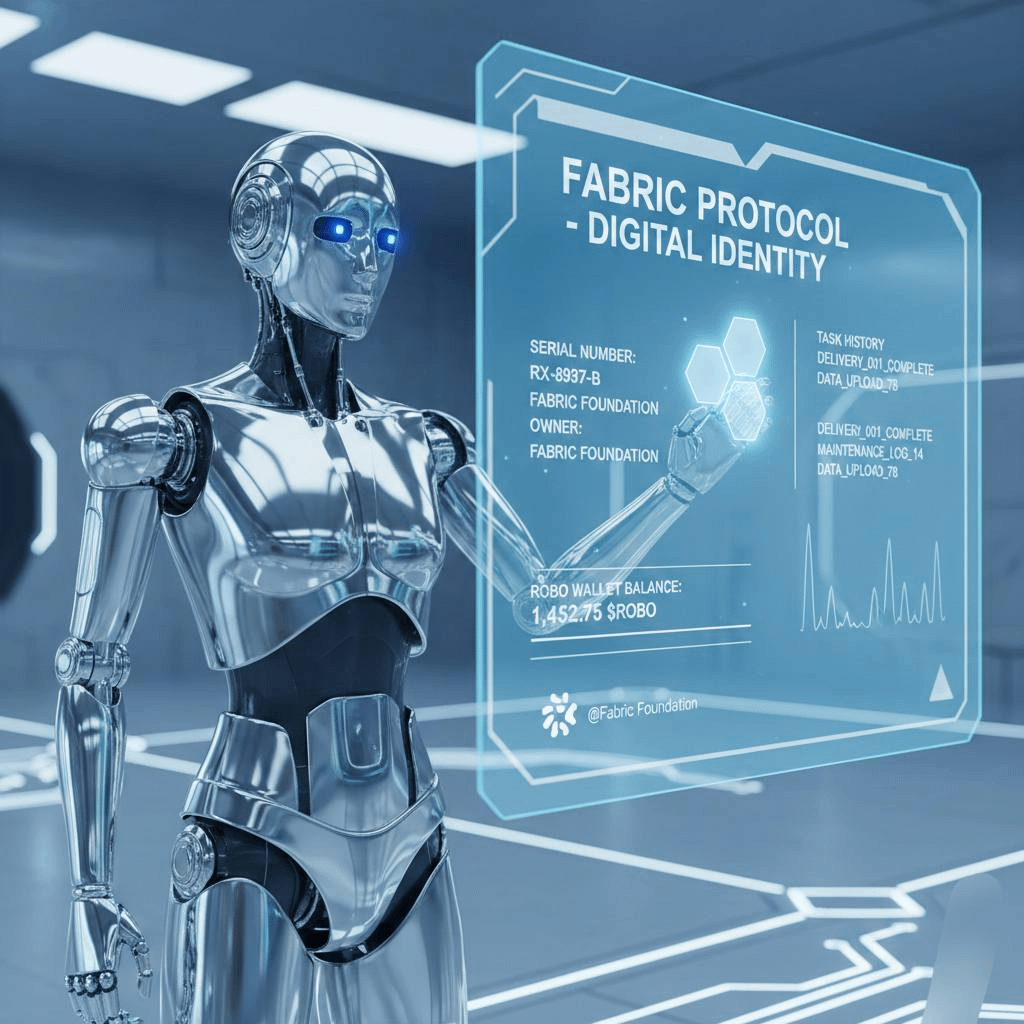
Robots on Fabric can have:
Digital identities
Wallets
Transparent activity histories
This allows robots to interact with people, businesses, and other robots in a trusted way, without relying on a single central authority.
Technology Stack: Base Layer 2 to Future Layer 1
Fabric currently operates on Base, a Layer 2 network connected to Ethereum. Using Base provides:
Faster transactions
Lower fees
Security benefits from Ethereum
In the long term, once the network scales, Fabric plans to build a dedicated Layer 1 blockchain specifically designed for robot and agent activity.
ROBO Token: Powering the Network
ROBO is the native token of Fabric, used to:
Pay network fees
Register identities
Verify tasks
Settle transactions between agents
ROBO is also used for staking, allowing participants to secure the network and take part in governance.
Token Supply: 10 billion ROBO
Allocation: ecosystem growth, community rewards, early supporters, team, and strategic partners
Vesting schedules encourage long-term commitment and support developers who expand the network over time.
Real-World Purpose: A Machine Economy
Fabric is more than just trading tokens—it aims to create a machine economy where robots can:
Earn
Spend
Coordinate value autonomously
Imagine:
Warehouse robots from different brands working together under one protocol
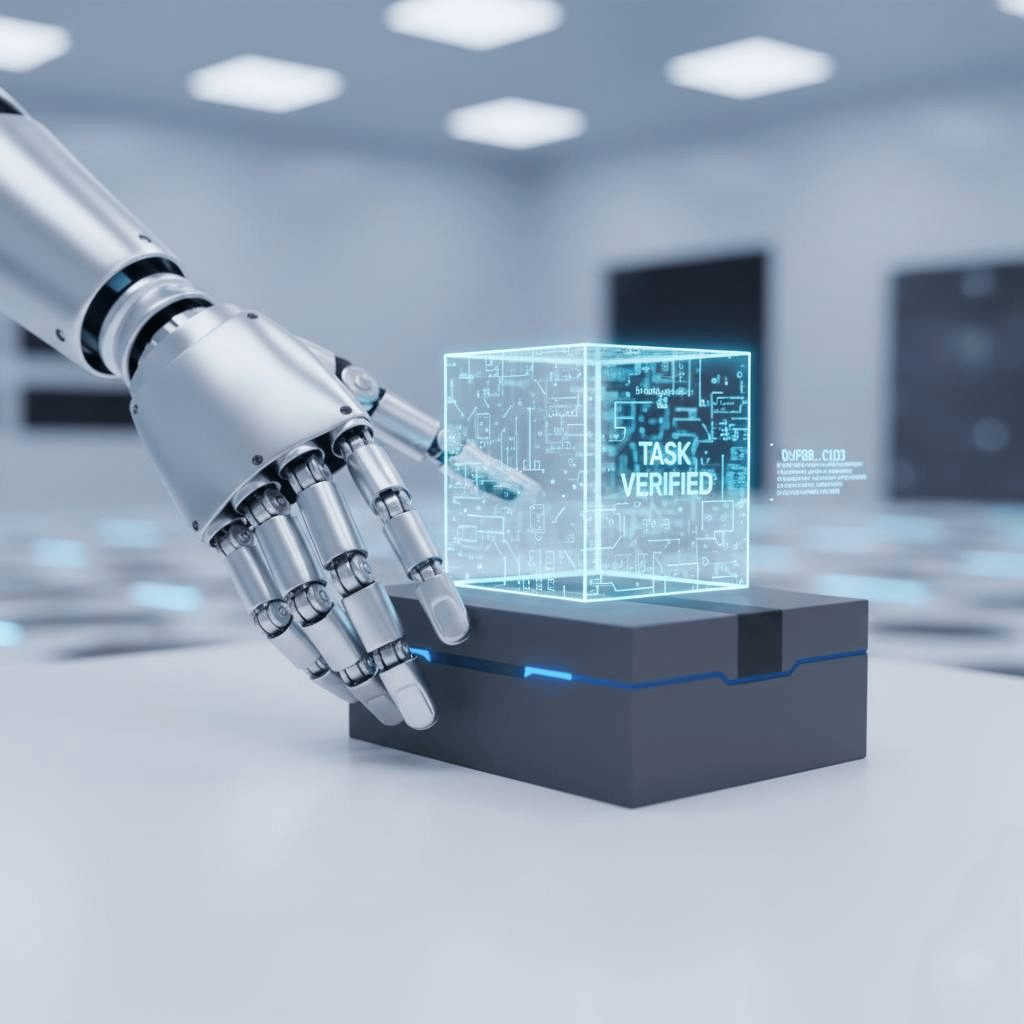
Delivery robots paying for charging services on their own
Developers uploading new skills once for multiple hardware systems to use
Fabric makes these scenarios possible by creating a neutral, open layer connecting all participants.
Experienced Leadership and Market Adoption
The project is backed by a team with expertise in robotics, AI, and blockchain. Fabric has also attracted support from well-known crypto investment firms, signaling confidence in its long-term vision.
ROBO has already seen early exchange listings and community engagement. However, its true value depends on real-world network adoption and usage, not speculation.
Roadmap and Future Plans
Fabric’s roadmap includes:
Expanding developer tools
Improving identity systems
Scaling verifiable computing
Onboarding real robotic applications
Over time, community governance will grow, giving token holders more influence over upgrades, funding decisions, and protocol rules. As usage increases, transitioning to a specialized Layer 1 blockchain becomes feasible.
Conclusion: A New Era for Robotics
Fabric Protocol is redefining how we think about robots. Instead of being isolated tools controlled by a few entities, robots can become participants in a global, open, and neutral system.As robotics continues to expand across logistics, healthcare, manufacturing, and daily services, Fabric could become a key coordination layer powering the intelligent machine economy behind the scenes.