
In today’s rapidly changing financial landscape, investors are constantly searching for assets that can preserve wealth, hedge against uncertainty, and generate long-term value. Three symbols frequently discussed across global markets are BTC, XAU, and XAG — representing Bitcoin, gold, and silver. While they belong to very different financial eras, these assets often appear together in investment conversations because they share a common theme: alternative stores of value outside traditional fiat currencies.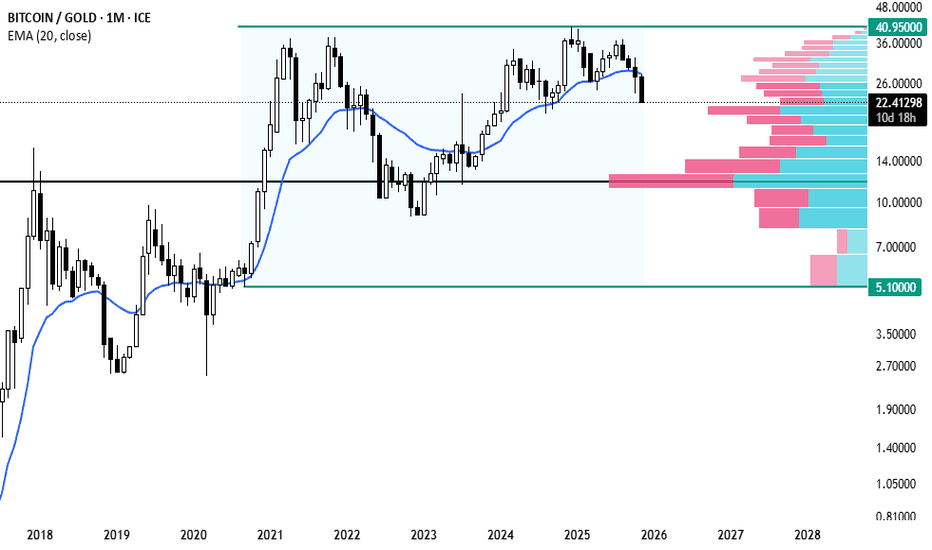
This article explores what makes Bitcoin, gold, and silver unique, how they compare, and why many investors consider holding a mix of all three.
Understanding BTC: The Digital Store of Value
Bitcoin (BTC) is often described as “digital gold.” Created in 2009, it introduced a decentralized monetary system that operates without central banks or government control. Unlike traditional currencies, Bitcoin has a fixed supply limit of 21 million coins, which supporters argue makes it resistant to inflation.
One of Bitcoin’s strongest appeals lies in its independence from the traditional financial system. Transactions are verified through blockchain technology, creating transparency while maintaining user control over funds. Over time, BTC has evolved from an experimental asset into a widely discussed investment vehicle, attracting institutional attention and global adoption.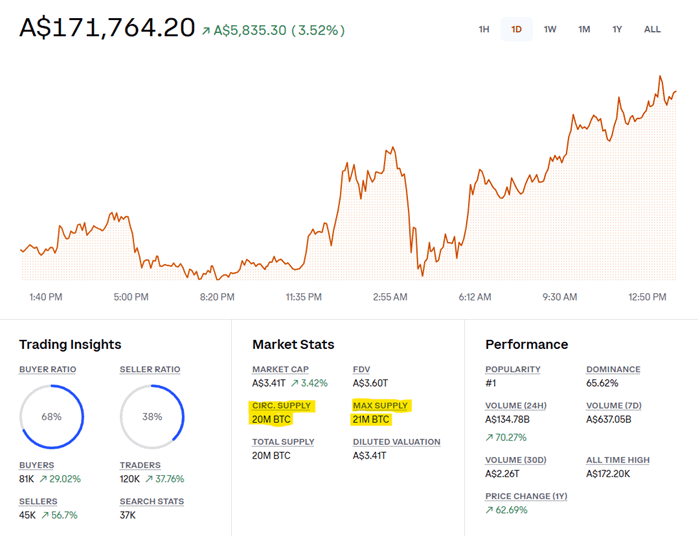
However, Bitcoin also comes with significant volatility. Prices can rise or fall rapidly, influenced by macroeconomic conditions, regulation, and investor sentiment. For long-term believers, volatility represents opportunity, while for conservative investors, it can feel like a risk compared to precious metals.
XAU: Gold’s Timeless Role in Wealth Preservation
Gold (XAU) has served as a symbol of wealth and stability for thousands of years. Unlike cryptocurrencies, gold’s value is rooted in physical scarcity, historical trust, and its role in global financial systems. Central banks hold gold reserves, and during periods of economic instability, investors often shift capital toward gold as a safe haven.
One key advantage of gold is its reputation for stability relative to other assets. While it does experience price fluctuations, gold typically moves more gradually than cryptocurrencies. Many investors view XAU as a hedge against inflation, currency devaluation, and geopolitical risk.
Gold’s physical nature also adds psychological reassurance. Unlike digital assets, it can be stored, held, and verified without reliance on technology. Yet this same physicality introduces storage costs and logistical challenges that do not exist with Bitcoin.
XAG: Silver’s Dual Identity as Metal and Commodity
Silver (XAG) occupies a unique space between investment asset and industrial commodity. Like gold, it has been used as money throughout history, but unlike gold, a large portion of silver demand comes from industrial applications such as electronics, solar panels, and medical technology.
Because of this dual role, silver’s price movements often reflect both economic growth expectations and investor sentiment. When industries expand, demand for silver can increase significantly, sometimes causing sharper price swings than gold.
Many investors see silver as a more accessible entry point into precious metals due to its lower price per ounce. It is often described as “gold’s smaller cousin,” offering potential upside during strong commodity cycles but typically showing higher volatility.
BTC vs XAU vs XAG: Key Differences
Although Bitcoin, gold, and silver are frequently grouped together, they represent very different asset classes.
Bitcoin is entirely digital, decentralized, and highly influenced by technological adoption and global liquidity trends. Gold is a traditional safe-haven asset rooted in centuries of trust and monetary history. Silver bridges investment and industry, making it sensitive to both market sentiment and economic expansion.
Another major difference lies in supply dynamics. Bitcoin has a mathematically fixed supply, while gold and silver production depends on mining output and global resource availability. This contrast shapes how investors perceive scarcity and long-term value.
Why Investors Combine All Three
Many modern portfolios include a mix of BTC, XAU, and XAG to balance risk and opportunity. Bitcoin offers growth potential and exposure to the digital economy. Gold provides stability and acts as a hedge during crises. Silver adds diversification through its industrial demand and commodity cycles.
Instead of viewing these assets as competitors, experienced investors often treat them as complementary tools. When markets become uncertain, gold may stabilize a portfolio, while Bitcoin may capture upside during periods of strong technological optimism. Silver can benefit from economic recovery phases driven by manufacturing and renewable energy demand.
Risks to Consider Before Investing
Despite their appeal, none of these assets are risk-free. Bitcoin’s regulatory environment continues to evolve, and price swings can be extreme. Gold and silver, while historically reliable, can experience long periods of slow growth compared to equities or emerging technologies.
Market timing also plays a significant role. Buying any asset solely based on hype or short-term trends can expose investors to unnecessary losses. Diversification, research, and long-term planning remain essential strategies regardless of which asset you choose.
The Future Outlook
As the global financial system evolves, Bitcoin, gold, and silver may continue to coexist as parallel stores of value. Digital transformation is pushing BTC into mainstream financial conversations, while gold retains its role as a traditional hedge. Silver’s connection to technological industries could position it strongly in a world focused on renewable energy and electronics.
Rather than replacing one another, these assets reflect different investor mindsets — innovation, preservation, and industrial growth. Understanding how each fits into the broader economic picture allows investors to make informed decisions based on their risk tolerance and long-term goals.
Final Thoughts
BTC, XAU, and XAG represent three different eras of money and value. Bitcoin symbolizes the digital future, gold anchors the financial past, and silver bridges both through industry and investment. Together, they form a powerful framework for diversification in an uncertain economic world.
Whether you lean toward cutting-edge cryptocurrency or time-tested precious metals, the key is balance. Markets change, technologies evolve, and economic cycles shift — but assets that hold perceived value outside traditional currencies continue to attract investors seeking stability, growth, and resilience.