
Vanar Chain hits different. It's February 2026, and while everyone's chasing the next narrative, these folks are heads-down doing the unglamorous work—making blockchain actually usable.
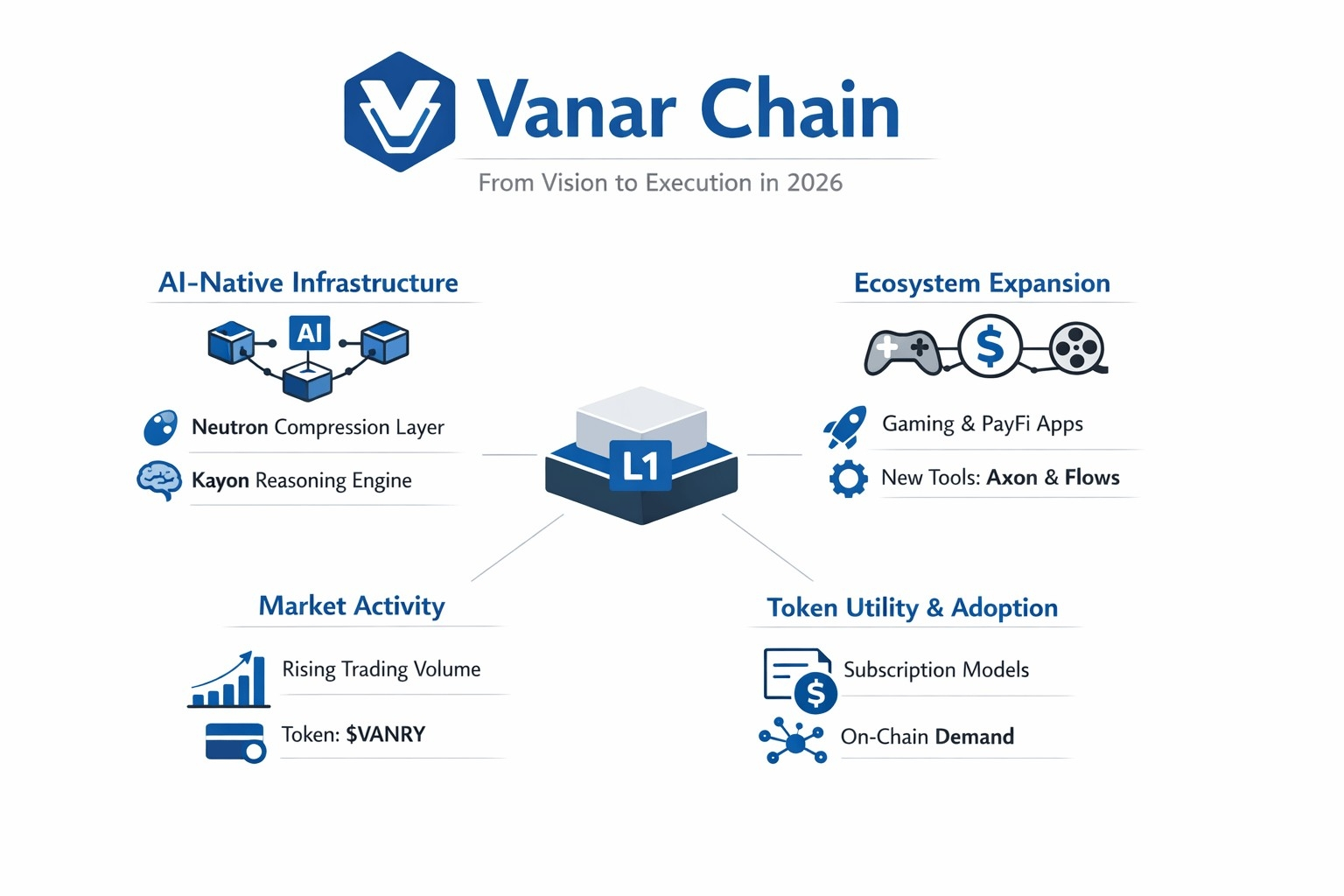
The AI thing isn't the usual buzzword bingo. Their Neutron tech compresses data into "Seeds" that keep context and meaning intact, so on-chain AI can actually remember and reason without the whole system grinding to a halt. Kayon handles the heavy lifting—taking plain questions, checking facts, making calls on its own. No phoning out to OpenAI every five seconds. The result? Apps that adapt and learn instead of just executing dumb scripts. Compliance that manages itself. Experiences that actually get better the more you use them. It's the difference between a static database and something that feels... alive? Maybe that's dramatic, but you get it.
The Gaming Angle Actually Makes Sense
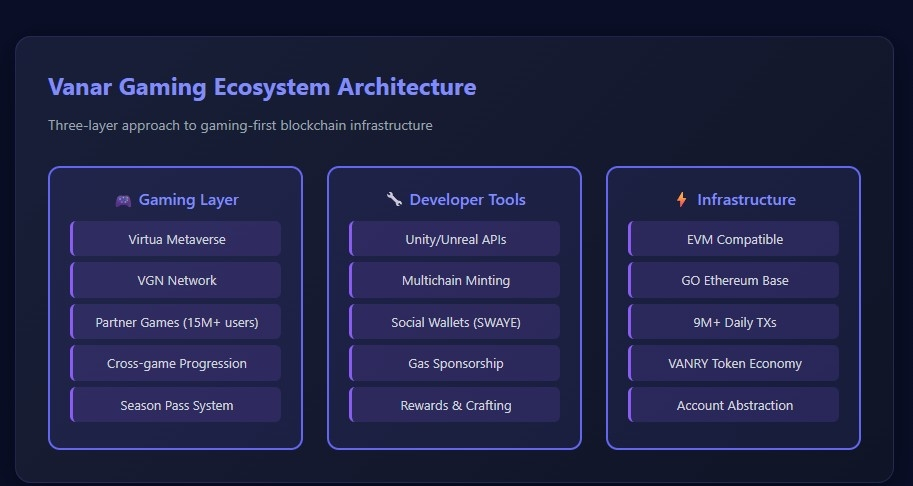
This is where Vanar stops being theoretical. Their Vanar Games Network lets regular developers—like, actual game studios with actual players—drop in blockchain features without rebuilding everything. Remember that Viva Games partnership? Those guys had massive mobile numbers, the kind that bring in normies who just want to play, not crypto degens hunting yield. The onboarding is sneaky-good: single sign-on, no wallet panic upfront, let people ease into owning stuff. By now, more studios are sniffing around, and the whole vibe is "fun first, blockchain second." It's bridging to millions of gamers who want entertainment, not a second job managing seed phrases.
The Ecosystem Feels Lived-In
VANRY isn't trying to be clever—gas fees, staking, governance, done. 2.4 billion cap with rewards tilted toward long-term holders. They want you to stick around, not flip and bounce. Fees stay dirt cheap (0.0005) and actually predictable, which matters when you're building real products instead of speculation vehicles.
Partnerships span AI (PAAL, etc.), DeFi, education, plus they're pushing into payments and real-world assets—agentic payments, events like AIBC Eurasia and Consensus Hong Kong. It's all solving actual problems rather than chasing hype cycles.
2026: Time to Ship
Roadmap's got that post-hype clarity. Axon (automations) and Flows (industry-specific tools) are coming soon. Neutron's expanding multi-chain while VANRY stays central for settlement. Some AI products like myNeutron are shifting to subscriptions—actual revenue, imagine that. Security's leveling up with post-quantum prep, and the eco-friendly angle keeps them palatable to bigger players who care about that stuff.
VANRY's been hovering 0.0058–0.006 after some January volatility. Not catastrophic, just... market things. Adoption's slow—convincing risk-averse enterprises and gamers who've been burned before takes time. Competition's brutal (every chain claims to be fast and cheap). Regs around AI, gaming, and tokenized assets could get messy. And balancing privacy with blockchain's whole transparency thing? Still a tightrope.
Vanar in 2026 feels like that friend who quietly got their life together while everyone else was posting about it. No "Ethereum killer" manifestos. No cult of personality. Just steady progress toward smarter apps—gaming that might actually hook millions, payments that anticipate needs, ecosystems growing because the tools work.
If they keep shipping through whatever chaos this year brings, they could end up being one of those projects people look back on and go, "Oh yeah, they actually pulled it off." The pieces are there. Now it's just about not tripping at the finish line—which, in crypto, is where most projects faceplant.