
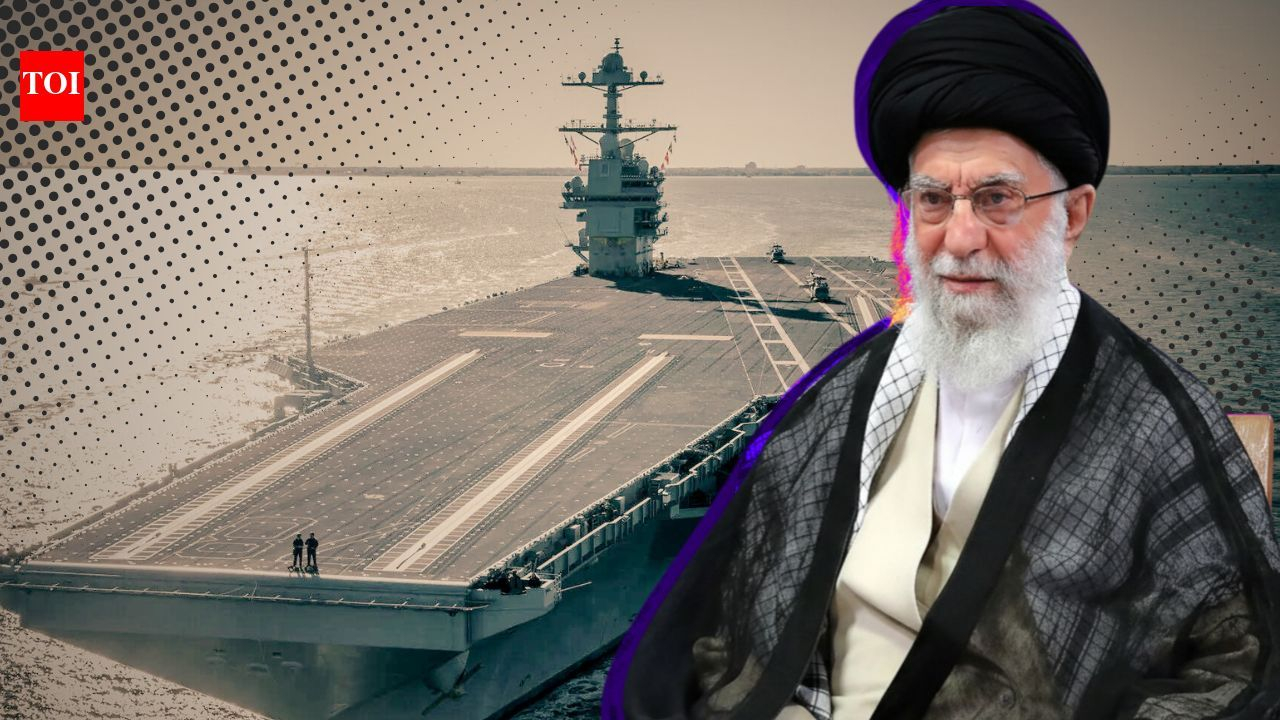
• The U.S. has also increased its military presence in the Middle East, deploying warships, fighter jets, and other forces — fueling concerns about potential conflict.

• In a letter to the United Nations, Iran’s ambassador Amir Saeid Iravani stressed that Tehran does not want war but would respond decisively and proportionally if attacked.
• The letter explicitly stated that all U.S. bases, facilities, and assets in the region would be considered “legitimate targets” if the U.S. initiates military strikes — underscoring the risk of wider regional escalation.
🧨 Why This Matters
• There are two parallel tracks at work:
— Diplomacy: Talks continue in Geneva between U.S. envoys and Iranian officials, but visible progress remains limited.
— Military Build-Up: U.S. forces are being positioned for possible action, and some U.S. officials have reportedly signaled readiness for operations, though no final decision has been announced.
• Iran’s warning caps a long period of heightened tensions following previous strikes on its nuclear infrastructure and ongoing disagreements over uranium enrichment and security guarantees.
📍 Key Takeaways
🔹 The 10–15-day deadline puts real-time pressure on both diplomacy and military planning.
🔹 Iran’s statement highlights how quickly a regional confrontation could escalate if diplomatic efforts fail.
🔹 Both sides publicly claim to prefer avoiding war, but their actions reflect deep mistrust and preparation.