

The crypto space has been chasing privacy for years, but most solutions force you to choose between total transparency or total anonymity. Midnight Network is taking a different route, and it's about to go fully live. After years of development by Input Output Global the same team behind Cardano Midnight is launching its mainnet before the end of March 2026, and the latest updates show this isn't just another privacy coin.
What caught my attention recently is how Midnight is building real infrastructure rather than just hype. They just added Blockdaemon and Shielded Technologies to their federated node operator list, joining Google Cloud and AlphaTON Capital . That's four serious infrastructure players handling the initial network security. But here's where it gets interesting MoneyGram, Vodafone's Pairpoint, and eToro also just signed on to run federated nodes . When traditional finance giants start running nodes for a privacy blockchain, you know something has shifted in the regulatory landscape.
The token situation is heating up too. Binance just ran a HODLer airdrop for NIGHT in March, distributing tokens to BNB holders who subscribed to Simple Earn products . This wasn't a small drop NIGHT is already trading with a market cap around 955 million and daily volume over 9 million . But unlike typical privacy tokens, NIGHT itself is completely transparent. The privacy magic happens with DUST, a separate resource that gets generated when you hold $NIGHT and powers all the shielded transactions .
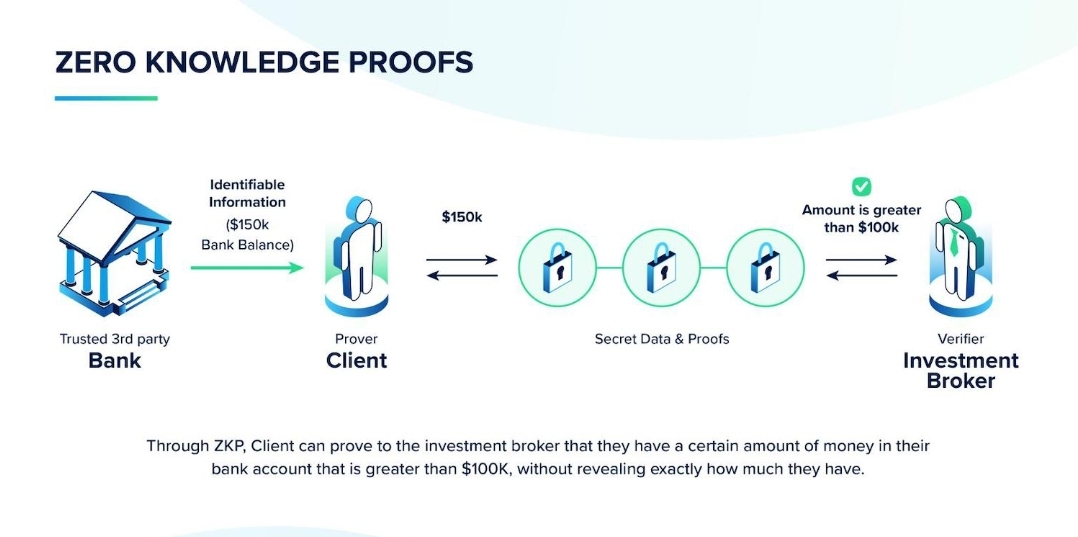
The tech stack is what really separates Midnight from the pack. They're using zero-knowledge proofs but making them programmable through a language called Compact, which is based on TypeScript. This means web developers can build privacy apps without learning Rust or Solidity . The network runs as a Cardano partner chain, so it gets security from Cardano's established validator set while maintaining its own privacy features .
Recent ecosystem moves show serious developer traction. OpenZeppelin is bringing their smart contract libraries to Midnight, which have secured over 21 trillion in value across other chains . Zoniqx is deploying their real-world asset tokenization framework for institutional use cases like real estate and carbon credits. And Webisoft is building an institutional dark pool DEX that lets large orders execute without front-running or market disruption .

The community side is impressive too. Over 8 million addresses participated in the Glacier Drop distribution across eight different blockchains Cardano, Bitcoin, Ethereum, Solana, $XRP , $BNB Chain, Avalanche, and Brave . That's one of the widest distribution events in crypto history. The thawing schedule runs for 450 days with quarterly unlocks, designed to prevent pump-and-dump dynamics .
What's coming next? After the March mainnet launch, Midnight enters the Mōhalu phase where they open up block production to more validators and activate the DUST capacity exchange . By late 2026, they plan full cross-chain interoperability with Ethereum and Solana through the Hua phase. Charles Hoskinson has been positioning this as the final piece of Cardano's "Omega" roadmap the privacy layer that completes the ecosystem .
The real test will be whether developers actually build on it. But with Google partnerships, Telegram integrations, and a programming model that doesn't require blockchain expertise, Midnight is lowering the barrier to entry for privacy-preserving apps. In a world where data breaches are daily news and regulations like GDPR are tightening, rational privacy where you choose what to reveal and when might be exactly what the next wave of Web3 adoption needs.

Keep an eye on @MidnightNetwork as they hit mainnet. This isn't just another token launch; it's a bet that privacy and compliance can coexist without sacrificing decentralization. With NIGHT already trading and real enterprise partnerships in place, the next few months will show whether Midnight can deliver on its promise to become the privacy layer for all of Web3.