
The Hallucination Problem in Modern AI
Artificial intelligence has become one of the most transformative technologies of our time. From chatbots to data analysis tools, AI systems are helping individuals and businesses work smarter and faster. But alongside this innovation comes a serious challenge: hallucinations.
In simple terms, hallucinations occur when AI generates information that sounds confident and accurate but is actually incorrect. Imagine asking for directions and receiving detailed instructions that lead to the wrong city. The explanation may sound convincing, yet the outcome is flawed.
For entertainment or casual tasks, small inaccuracies may not seem critical. However, in areas connected to finance, governance, research, or decentralized applications, incorrect outputs can create confusion and risk. Web3 ecosystems depend heavily on reliable data, and unreliable AI can weaken that foundation.
The key question becomes clear: how do we move from impressive intelligence to trustworthy intelligence?
Why Web3 Needs Verifiable Intelligence
Web3 is built on decentralization, transparency, and community-driven systems. Blockchain networks rely on consensus to validate transactions and maintain integrity. Trust is not assumed; it is mathematically verified.
When AI tools enter this environment, they must meet similar standards. If an AI system provides analytics, summarizes governance proposals, or interprets smart contract data, users need confidence in the output. Blind trust contradicts the very philosophy of decentralization.
Think of Web3 like a digital courtroom. Every transaction is reviewed, recorded, and validated by multiple participants. Introducing AI without verification would be like allowing a single witness to decide the entire case without cross-examination.
For Web3 to fully integrate AI, it needs mechanisms that transform uncertain outputs into verifiable claims. This is where Mira Network becomes highly relevant.
How Mira Network Turns Claims into Consensus
Mira Network addresses AI reliability by combining artificial intelligence with blockchain-based verification. Instead of accepting one AI model’s output as final, the system breaks complex responses into smaller, structured claims.
Imagine an AI generating a long market analysis. Rather than trusting the entire report at once, Mira divides it into individual statements. Each statement can be independently checked by other models within the network.
These independent validators analyze the claims and participate in a consensus process. When sufficient agreement is reached, the claim gains credibility. This approach reduces reliance on a single model and distributes verification across a decentralized structure.
It is similar to having multiple referees review a match before confirming the final score. The more independent perspectives involved, the lower the risk of unchecked mistakes.
By converting AI outputs into verifiable components, Mira Network shifts intelligence from assumption to structured validation.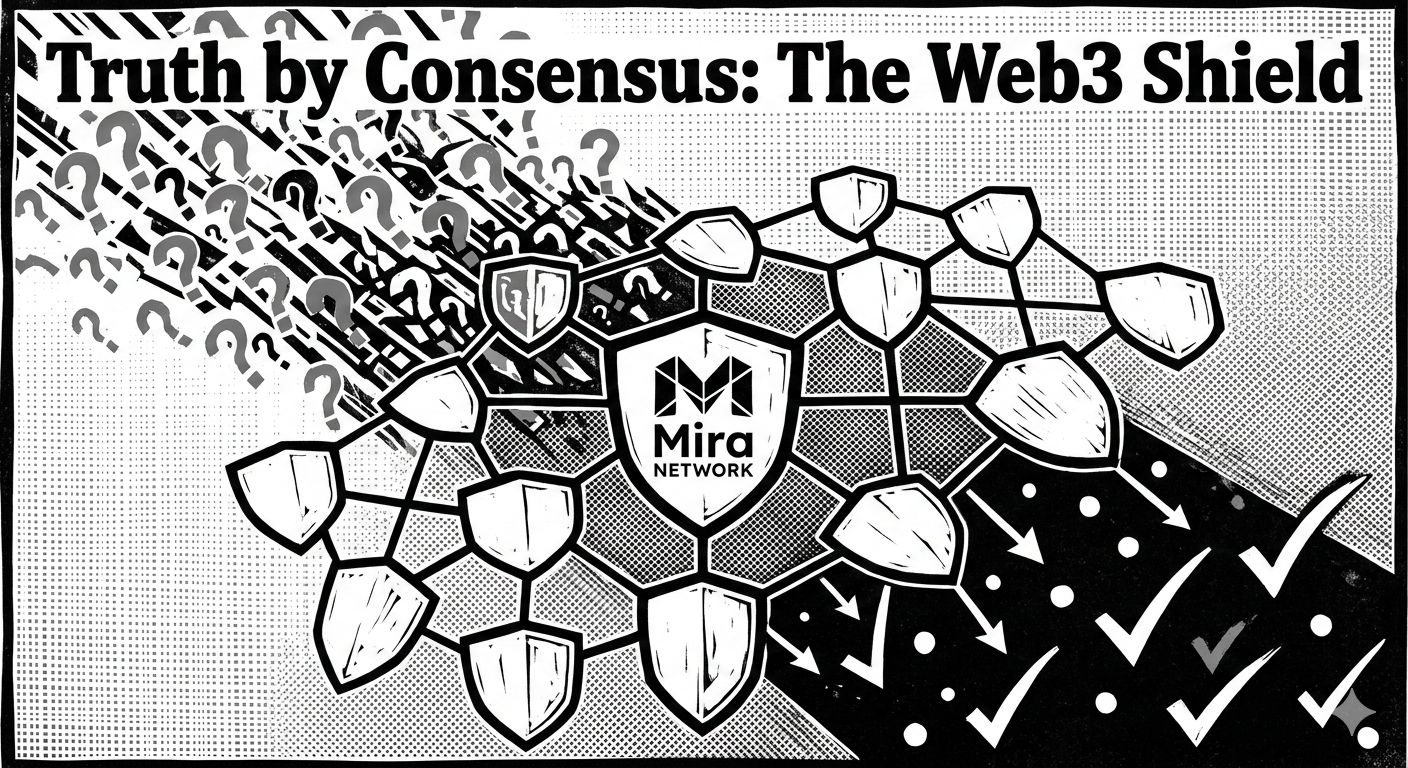
Economic Incentives Strengthen Accuracy
One of the powerful elements of blockchain systems is incentive alignment. Participants are encouraged to behave honestly because the network’s design rewards accurate contributions and discourages manipulation.
Mira Network incorporates similar principles into AI verification. Validators within the system are economically motivated to provide correct evaluations. If they validate accurately, they benefit from participation. If they attempt dishonest behavior, the system imposes consequences.
This model creates a self-reinforcing environment where accuracy becomes part of the economic structure. Instead of relying solely on reputation or centralized moderation, the protocol embeds accountability directly into its design.
Consider how blockchain networks secure transactions. Validators stake value and confirm blocks through consensus. Mira applies a comparable idea to AI-generated information, extending blockchain logic into the world of machine intelligence.
When incentives reward truthfulness, trust evolves naturally over time.
Reducing Bias Through Decentralization
Bias in AI often stems from training data or model limitations. A single model may reflect specific patterns or blind spots. When decisions rely solely on that model, those biases can influence outcomes.
By distributing verification across multiple independent participants, Mira Network reduces the impact of any one model’s limitations. Different validators bring varied perspectives and datasets, creating a more balanced evaluation process.
Think of it as peer review in academic research. Instead of one researcher approving their own findings, multiple experts examine the work before publication. This collective scrutiny strengthens credibility.
Decentralized validation does not eliminate bias entirely, but it significantly lowers the risk of unchecked distortions. In Web3 ecosystems, where fairness and transparency are core values, this approach aligns well with community expectations.
Through consensus-driven verification, intelligence becomes more resilient and accountable.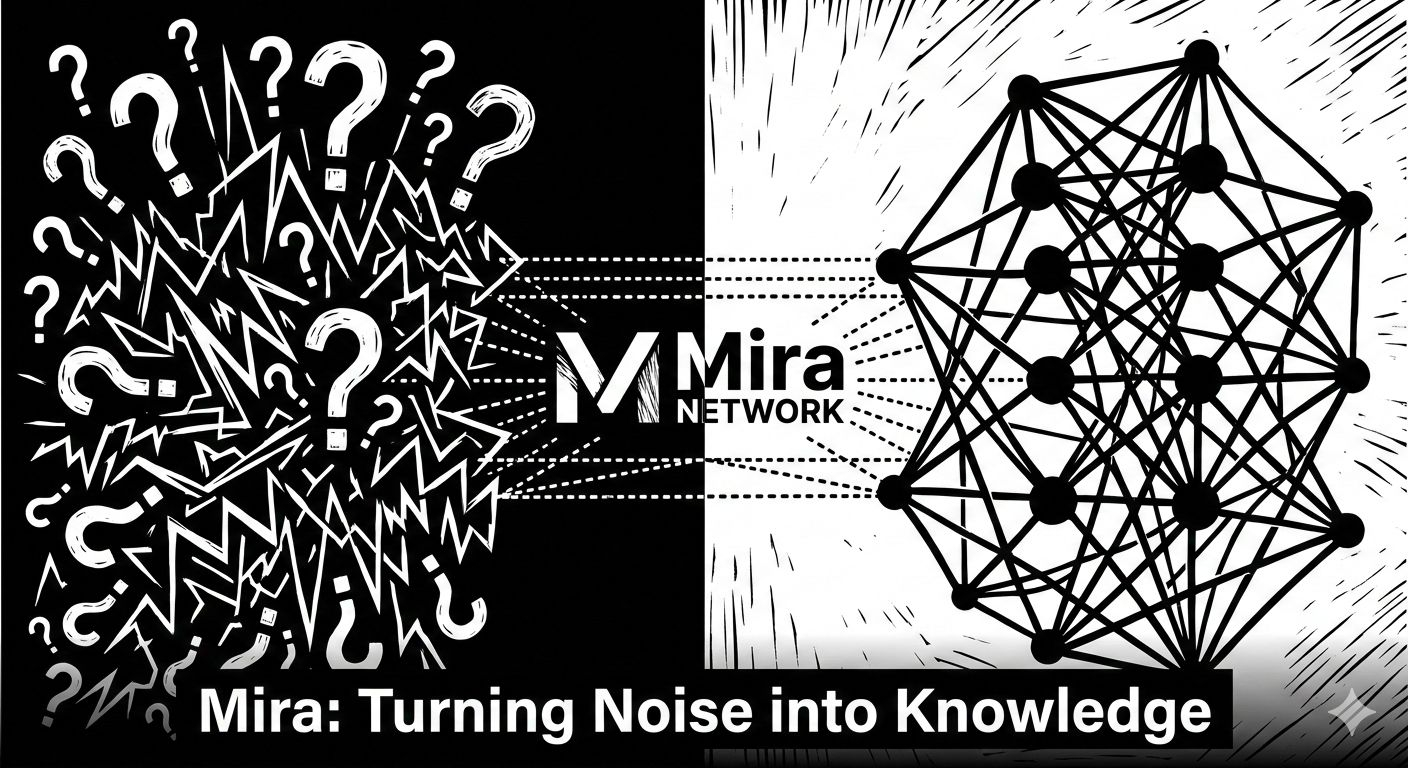
Practical Implications for Web3 AI Applications
As decentralized applications evolve, AI tools are increasingly integrated into dashboards, analytics engines, governance interfaces, and automation systems. Reliable intelligence becomes essential for these tools to function effectively.
For example, if AI summarizes community proposals in a decentralized organization, accuracy ensures members make informed decisions. If AI analyzes blockchain data for insights, verification helps prevent misleading interpretations.
Mira Network’s model provides a foundational layer that can support these use cases. By validating outputs before they influence broader systems, it reduces the risk of cascading errors.
This approach also strengthens user confidence. When individuals know that AI outputs undergo decentralized verification, they can engage more comfortably with advanced tools. Transparency fosters participation, and participation drives ecosystem growth.
Importantly, this framework remains neutral and informational. It does not promise outcomes or guarantee results. Instead, it offers a structured method for enhancing reliability within decentralized environments.
The Broader Vision: Responsible AI for a Decentralized Future
The convergence of AI and blockchain represents one of the most significant technological shifts of the decade. AI brings speed, automation, and analytical power. Blockchain brings transparency, consensus, and accountability.
Mira Network stands at this intersection, demonstrating how the strengths of both technologies can complement each other. By embedding verification into AI workflows, it addresses one of the most pressing challenges facing modern intelligence systems.
The future of Web3 will likely include autonomous agents, intelligent analytics, and automated decision-support tools. For these systems to operate responsibly, they must be secure, transparent, and verifiable.
Moving from hallucinations to verification is not just a technical upgrade; it is a philosophical shift. It reflects a commitment to building digital infrastructure where innovation and accountability grow together.
As the Web3 community continues exploring new frontiers, verified intelligence can serve as a stabilizing force that balances creativity with responsibility.
When intelligence is validated through decentralized consensus, trust is not assumed—it is earned, strengthened, and shared across the entire Web3 ecosystem.
