
When I look at Fogo, I don’t see another chain trying to win a throughput headline. I see an infrastructure team attempting to discipline time. That distinction matters. Most networks optimize for peak performance under ideal conditions. Fogo is architected around something less glamorous but far more consequential: bounded latency under stress. In financial systems, the enemy is not slowness. It is variance. If execution timing expands unpredictably when volatility rises, then every risk model built on top of it begins to fracture. Fogo’s thesis appears to start exactly there.
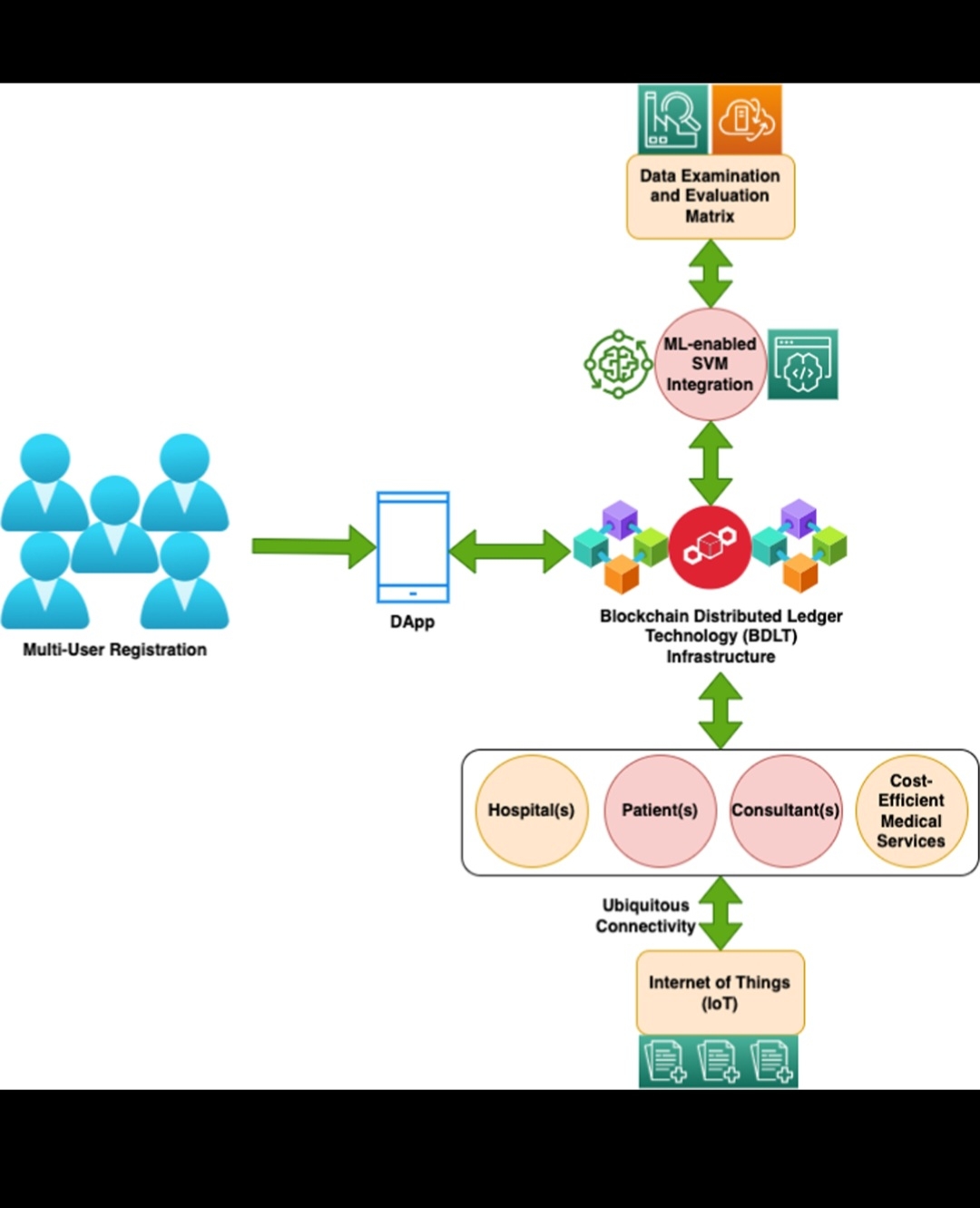
The compatibility with the Solana Virtual Machine is not a marketing detail; it is a strategic compression of friction. Developers are not asked to rewrite logic or abandon tooling familiarity. That removes migration drag and reduces uncertainty at the adoption layer. Infrastructure only compounds if switching costs are manageable. By staying SVM-aligned, Fogo lowers the activation energy required for serious builders to experiment. It is a quiet move, but structurally powerful.
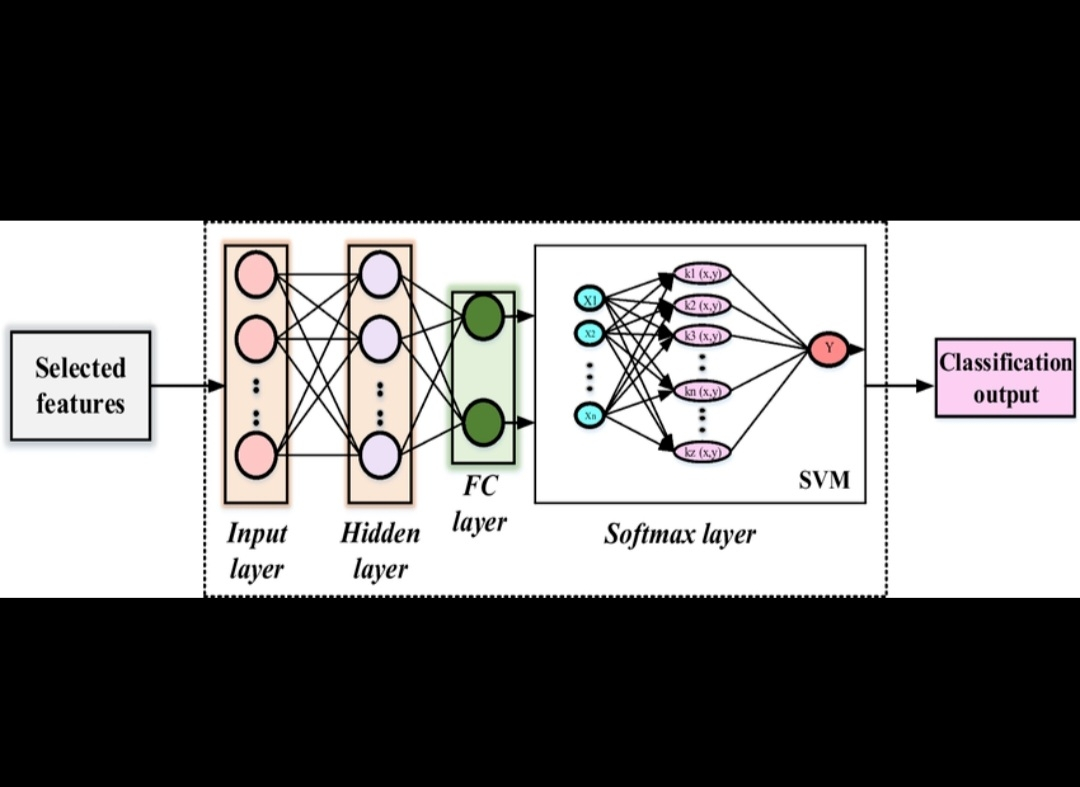
Where the design becomes more interesting is in the zone-based architecture. Instead of allowing the entire network to behave like a single congestion domain, Fogo segments execution environments. This is less about scaling theatrics and more about containment. When load spikes in one domain, it does not necessarily cascade across the system. In traditional exchange systems, workload isolation is standard practice because contention destroys predictability. Fogo appears to import that discipline into decentralized execution. The objective is not fragmentation. It is controlled interference.
Validator mechanics sit at the center of whether this philosophy holds. Many high-speed chains incentivize raw inclusion and rapid block propagation. Fogo’s orientation suggests a different hierarchy: cadence stability, confirmation consistency, operational reliability. If block intervals oscillate under pressure, liquidation engines misalign and automated strategies widen their risk buffers. Capital becomes defensive. A validator set tuned toward predictable production windows effectively underwrites time guarantees. That reframes staking from passive yield to performance governance.
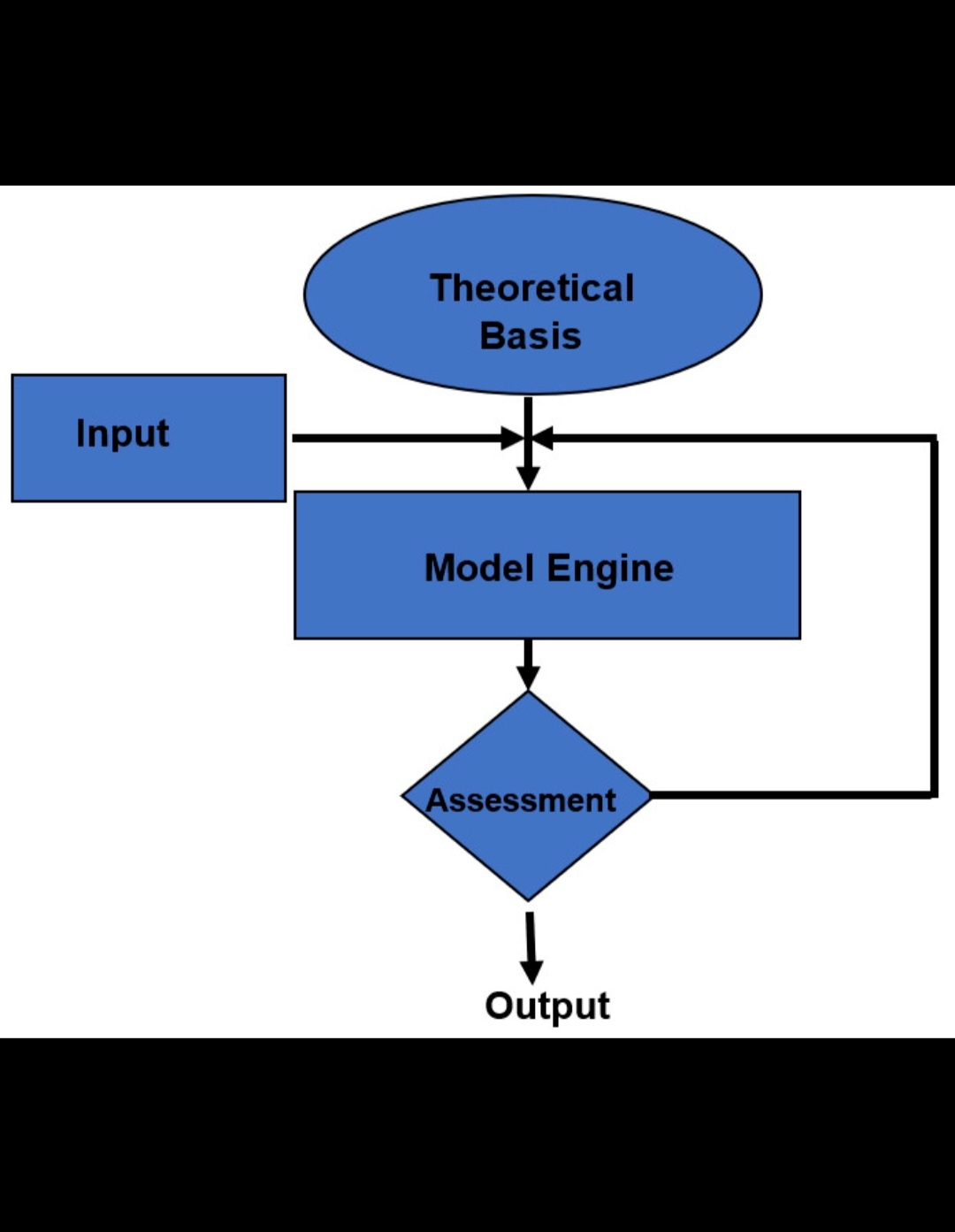
RPC reliability is another layer where Fogo’s posture feels intentional. Application performance is frequently constrained not by theoretical block times but by access instability. If RPC latency fluctuates, wallets misbehave, bots fail to execute, and developers over-engineer fallback systems. Institutional-grade infrastructure cannot tolerate intermittent access patterns. Treating RPC as core infrastructure rather than auxiliary middleware signals that Fogo understands where real-world fragility emerges.
The deeper shift here is conceptual. Fogo is not selling speed. It is selling the narrowing of latency bands. There is a difference between being fast on average and being predictably fast within defined bounds. The latter is what enables low-latency trading systems, stable on-chain order books, and deterministic liquidation logic. Without bounded execution windows, decentralized finance becomes probabilistic. With them, it begins to resemble engineered infrastructure.
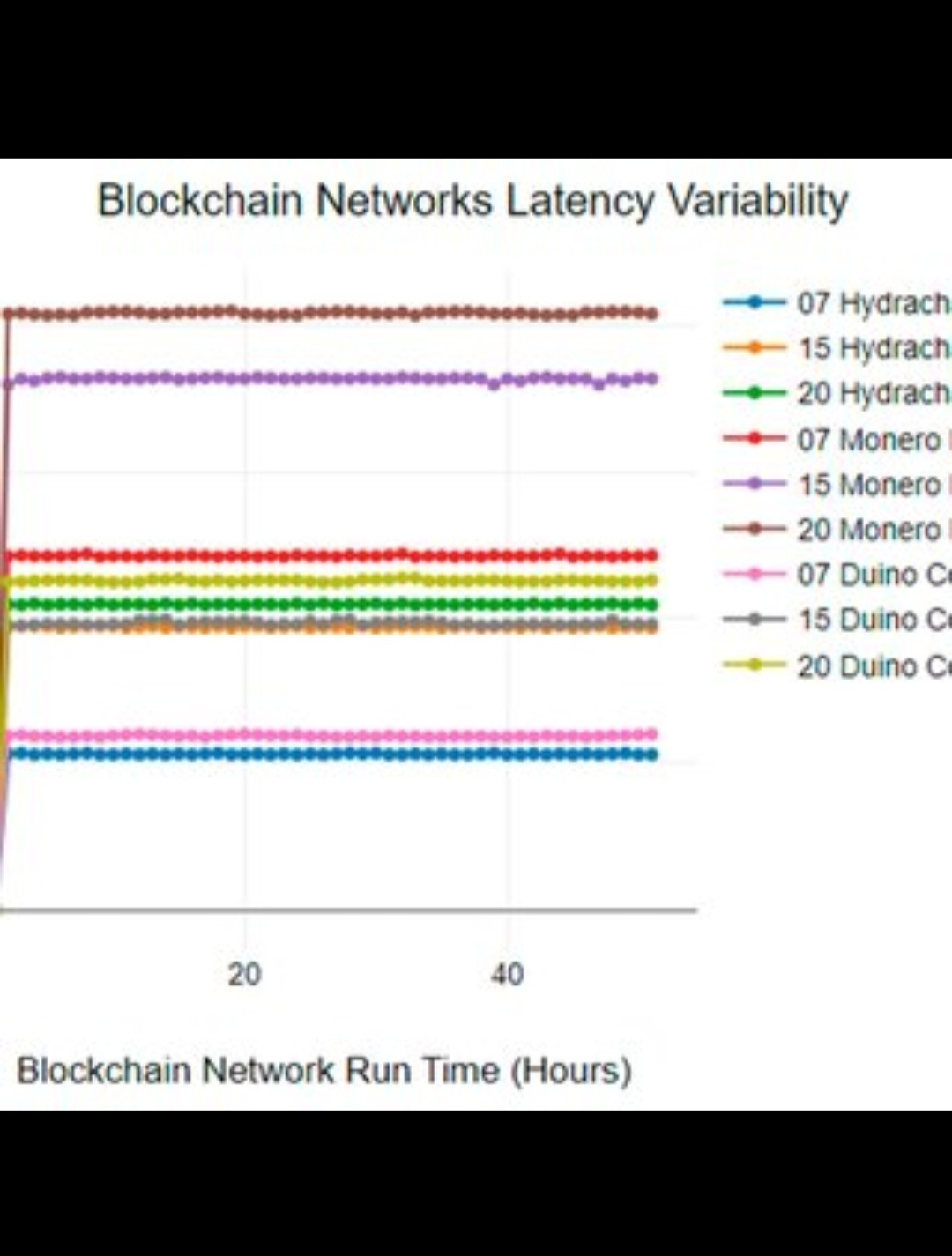
What makes this relevant now is the maturity phase of the market. As capital sophistication increases, tolerance for infrastructure randomness decreases. Systems that degrade under load cannot support institutional strategy at scale. If growth mechanically increases unpredictability, adoption stalls. Fogo’s structural bet is that adoption scales when timing becomes modelable. When developers can treat block production and confirmation windows as stable variables rather than volatile guesses, complexity shifts from defensive coding to product innovation.
I see Fogo less as a throughput competitor and more as an attempt to redefine performance in Web3. Performance, in this framing, is not maximum transactions per second during calm conditions. It is deterministic execution when volatility compresses reaction time. Stability is not a secondary feature; it is the product itself.
If this architecture holds under real stress conditions, Fogo’s differentiation will not be measured in marketing metrics. It will be measured in how little its timing characteristics move when everything else does. And in financial infrastructure, the systems that maintain discipline during disorder are the ones that ultimately compound trust.
