I’ve been thinking about Fogo in a pretty casual way lately not like I’m researching it for a report, more like it’s something that keeps popping back into my mind when I’m scrolling or reading about new chains. Some projects disappear from my thoughts quickly, but this one stayed somewhere in the background, which usually means something about it felt different to me, even if I couldn’t immediately explain why.
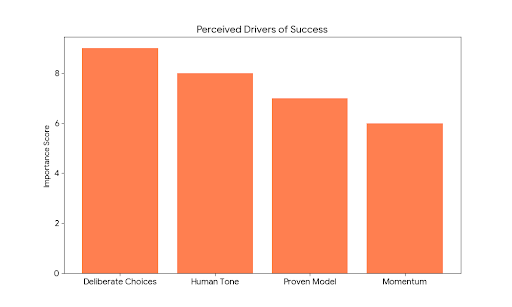
I think the first thing that caught my attention was how familiar parts of it felt. Building a high-performance L1 around the Solana Virtual Machine didn’t come across as flashy. It felt more like a practical decision like someone saying, “this part already works, let’s build from there.” That kind of choice feels grounded to me. It doesn’t scream innovation for the sake of being new, and maybe that’s why I paused longer than I normally would.
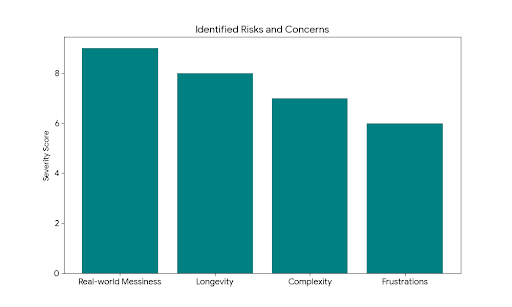
At the same time, I found myself wondering what that familiarity means in real life. If the execution model is borrowed from something proven, does that make things easier for developers, or does it also bring along the same frustrations and trade-offs? I don’t really know. I just noticed that every time I read about performance or parallel execution, I started thinking less about the numbers and more about the people who will actually have to build on it day to day.
Performance claims always give me mixed feelings. There’s a small part of me that gets excited fast confirmation, smoother user experience, all the things people have wanted for years. But another part of me has learned to wait. Systems always look clean before they meet real users. I’ve seen enough projects where the real story only appeared once things got messy: unpredictable traffic, weird bugs, edge cases nobody planned for. That’s usually when you understand what a network really is.
What I did appreciate was the tone in some of the materials. There were moments where it felt like the team understood that not everything is proven yet. That honesty, even if subtle, made me trust the project a little more. Not because it guarantees success, but because acknowledging uncertainty feels human and honestly, rare.
Still, there are questions that stay with me. I keep thinking about the ecosystem side more than the technology itself. Fast chains exist already. What makes people stay somewhere? Is it tooling, community, or just momentum that happens almost accidentally? I don’t have clear answers, and I don’t think anyone really does until builders start living inside the system rather than talking about it from the outside.
I also catch myself wondering how it will feel for new developers stepping in. Will the experience be smooth and intuitive, or will the speed come with hidden complexity that only shows up later? Sometimes the things that look elegant at the architecture level feel very different when you’re debugging something at 2 a.m. That thought keeps me cautious.
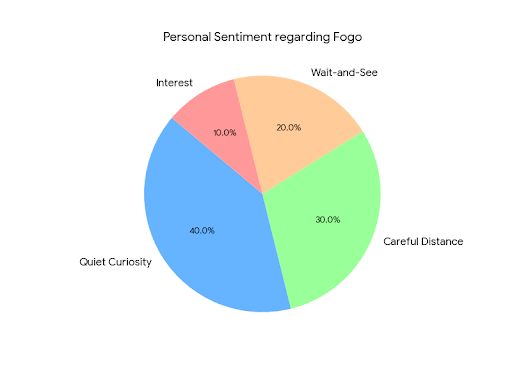
Right now, my feelings are somewhere between quiet curiosity and careful distance. I’m not convinced of anything, and I’m not trying to be. It just feels like a project making deliberate choices, and that alone makes it worth watching. Maybe it works beautifully, maybe it runs into the same friction every chain eventually faces I honestly don’t know yet.
What I do know is that I keep checking back on it from time to time, not because I expect big announcements, but because I’m interested in the small signals the way the story evolves, the way builders react, and whether the early promise starts to look like something real once more people touch it.