
Blockchain technology has revolutionized the way we think about trust, transparency, and decentralized systems. At its core, most blockchains like Bitcoin and Ethereum are designed to be open ledgers every transaction is visible to anyone, ensuring verifiability and preventing double-spending. But this radical transparency comes at a cost: privacy. In a world where data is gold, exposing every financial move can lead to surveillance, targeted attacks, or even competitive disadvantages for businesses. Enter the era where blockchain is learning to keep secrets, balancing its inherent openness with sophisticated privacy tools. This evolution isn't just technical; it's essential for mainstream adoption, especially in regulated environments like finance.
Blockchain Privacy: Tools, Protocols, and the Road Ahead | StarkWare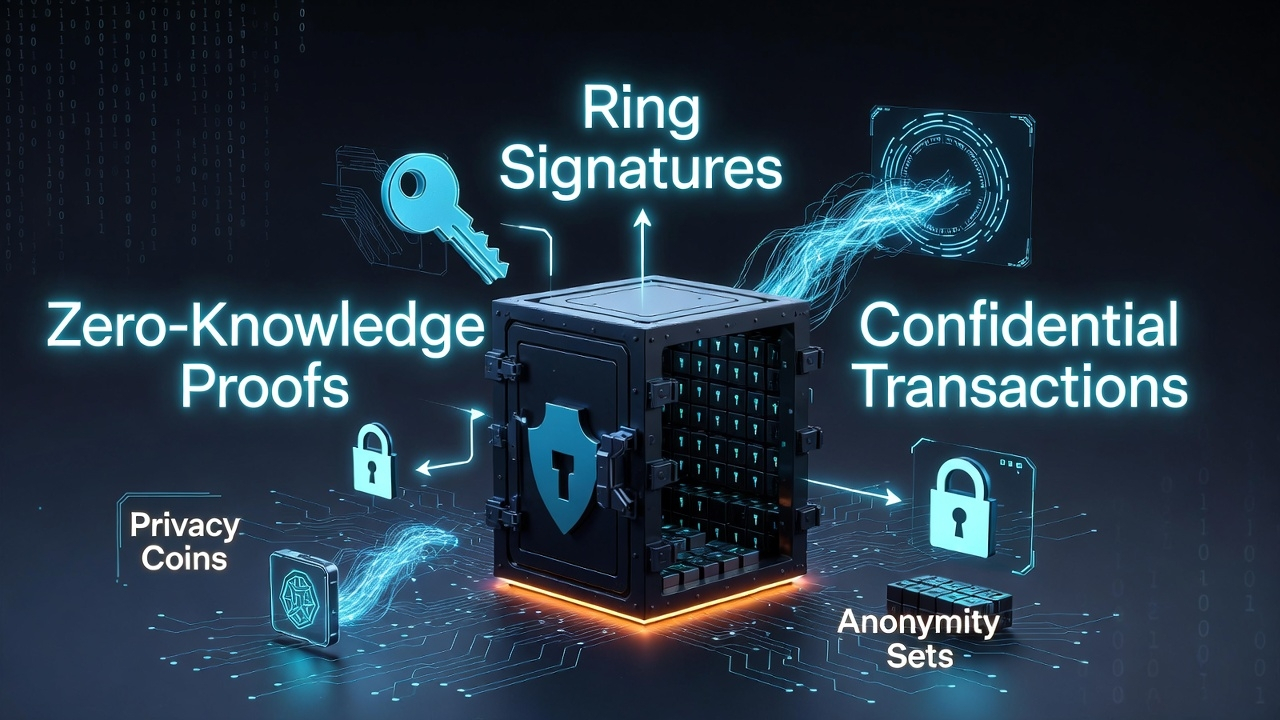
The Privacy Paradox in Blockchain
Traditional blockchains provide pseudonymity through cryptographic addresses, but they're far from anonymous. Transaction histories are public, allowing analysts to link activities and potentially de-anonymize users. This has raised concerns in sectors like healthcare, finance, and supply chains, where sensitive data must be protected. For instance, under regulations like GDPR, the immutability of blockchains can clash with rights to data erasure.
The good news? Innovators are addressing this through privacy-enhancing technologies (PETs) that allow users to prove transaction validity without revealing details. These tools are turning blockchain from a glass house into a fortified vault, enabling confidential interactions while maintaining the network's integrity.
Key Technologies Powering Blockchain Privacy
Several breakthroughs are driving this shift. Here's a breakdown of the most impactful ones:
Zero-Knowledge Proofs (ZKPs): These cryptographic marvels let one party prove a statement is true without sharing underlying data. For example, you can verify you have sufficient funds for a transaction without disclosing your balance. Projects like Zcash use ZKPs for shielded transactions, hiding sender, receiver, and amount. In DeFi, ZKPs enable private lending or trading, protecting user strategies from front-running.
Ring Signatures and Mixers: Popularized by Monero, ring signatures blend a user's transaction with others, obscuring the origin. Tools like Tornado Cash (now evolved into compliant versions like Privacy Pools) mix funds to break traceability links, though they've faced regulatory scrutiny for potential illicit use.
Confidential Transactions (CTs): These hide transaction amounts using homomorphic encryption, ensuring sums add up correctly without exposing values. Mimblewimble protocols, seen in Grin and Beam, combine this with transaction aggregation for enhanced privacy and scalability.
Hybrid Approaches: Many networks now offer opt-in privacy at the application level, like Ethereum's confidential ERC-20 tokens, or protocol-level defaults in chains like Aztec. Decentralization adds another layer: no single entity controls data, reducing breach risks.
These technologies aren't just theoretical but they're being integrated into major ecosystems, making privacy a standard rather than an add-on.
What Are Privacy Chains? Privacy, Trust, and Blockchains
Recent Developments: Privacy Goes Mainstream
As of early 2026, privacy is no longer niche; it's a growth driver. Privacy-focused assets like Zcash (ZEC) outperformed in Q4 2025, signaling investor interest as blockchains integrate with traditional finance. Major blockchains are adopting native privacy layers, with Ethereum Layer 2 solutions like Silent Data enabling regulated tokenized money market funds from giants like BlackRock and Fidelity. This uses hardware-enforced privacy in trusted execution environments, keeping investor details confidential on public infrastructure.
Regulatory bodies are warming up too. A UK think tank report argues against banning privacy tools, advocating for built-in compliance instead. In Japan, selective disclosure via ZKPs is key for enterprise adoption under strict privacy laws like APPI. EY's industrial privacy solutions now allow enterprises to transact privately on public Ethereum, a game-changer for B2B applications.
Privacy coins and protocols are surging, with networks like Dusk emphasizing regulated, privacy-focused infrastructure. As one expert notes, "Privacy + Regulation is the real future of blockchain."
Binance's Role in the Privacy Evolution
At Binance, we're at the forefront of this transformation. Our ecosystem supports privacy coins like Monero and Zcash, and discussions on Binance Square highlight the need for balanced privacy—protecting users while ensuring compliance. We envision a future where on-chain privacy is essential, not optional, fostering stronger network effects. BNB Chain is exploring zero-knowledge integrations for faster, private interactions, aligning with global trends toward "SSL-like" encryption in blockchains.
Looking Ahead: A Private Yet Transparent Future
Blockchain's journey to keeping secrets is about empowerment giving users control over their data in a Web3 world. As privacy becomes default, expect wider adoption in sensitive sectors like digital health and tokenized assets. Challenges remain, like balancing anonymity with anti-money laundering, but innovations like Privacy Pools show it's possible.
In 2026, blockchain isn't just transparent; it's intelligently private. This shift will unlock trillions in value, making crypto safer and more inclusive for everyone. Stay tuned to Binance for the latest in privacy tech because in the digital age, secrets well-kept are the key to trust.
@MidnightNetwork $NIGHT #night #BinanceTGEUP #CFTCChairCryptoPlan #TrumpSaysIranWarWillEndVerySoon #MetaBuysMoltbook
