


Fabric foundation Developing a Robot-Driven Economy for Everyone here #nadyisom discussing @Fabric Foundation Envision artificial intelligence cooperating not requiring supervision. Presently, automation technology is largely dominated by giant enterprises, leading to slow and unaffordable. Fabric Foundation, a charitable organization, desires to improve this situation by building a freely accessible framework. This lets robots team up freely, speeding up innovation, making systems safer, and giving everyone a chance to participate.
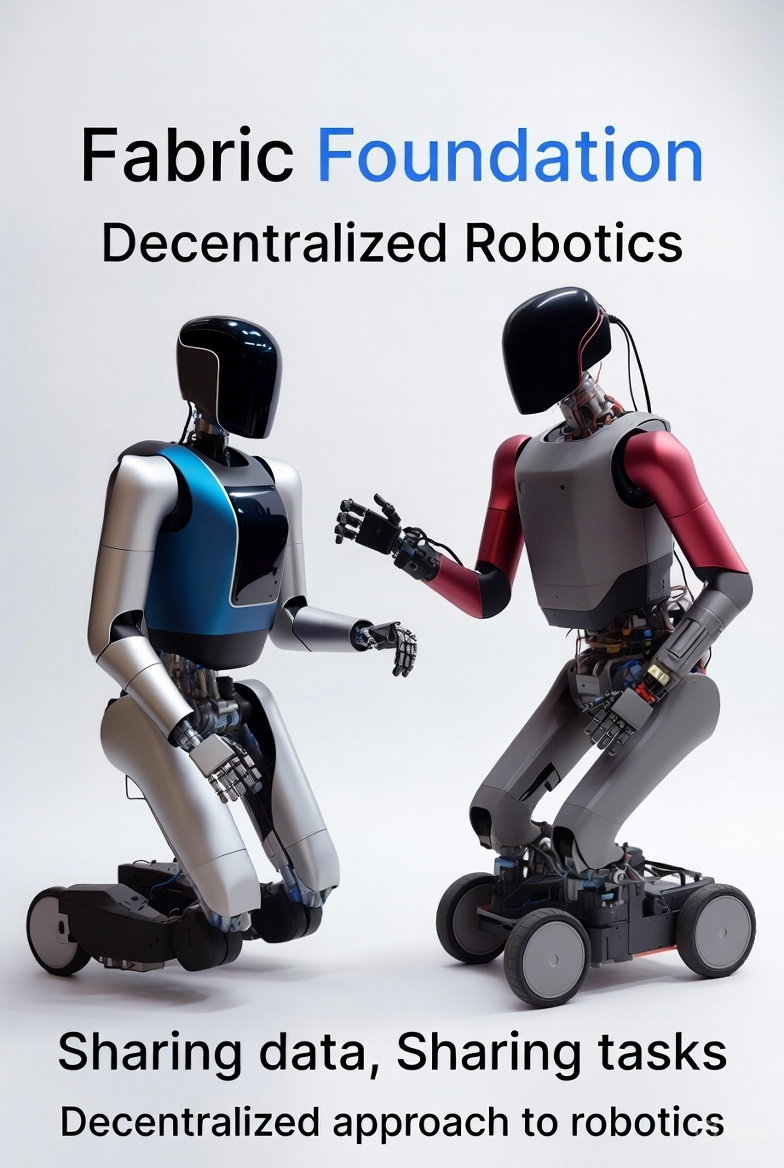
Fabric Foundation is creating a place where robots can easily share data and tasks. It's like a community garden for robots, where everyone can contribute. The foundation tackles current robotics issues. Usually, centralized systems lock users into using only one company's products. Fabric Foundation wants to create a level space where both small teams and large firms can build the next generation of robots.
The importance of A decentralized approach Matters
Central control can prevent new ideas in robotics. Instead, Fabric Foundation wants to give power to many different groups, which boosts security and opens things up for people who cannot afford pricey gear.
In a decentralized system, updates happen faster, and problems can be fixed by more people. Home robots or factory arms could run better if parts from different brands could easily communicate. Fabric Foundation is showing how its system beats locked-in designs that are more expensive and break down often.
Community-Developed Software Meets Transparent Ledger
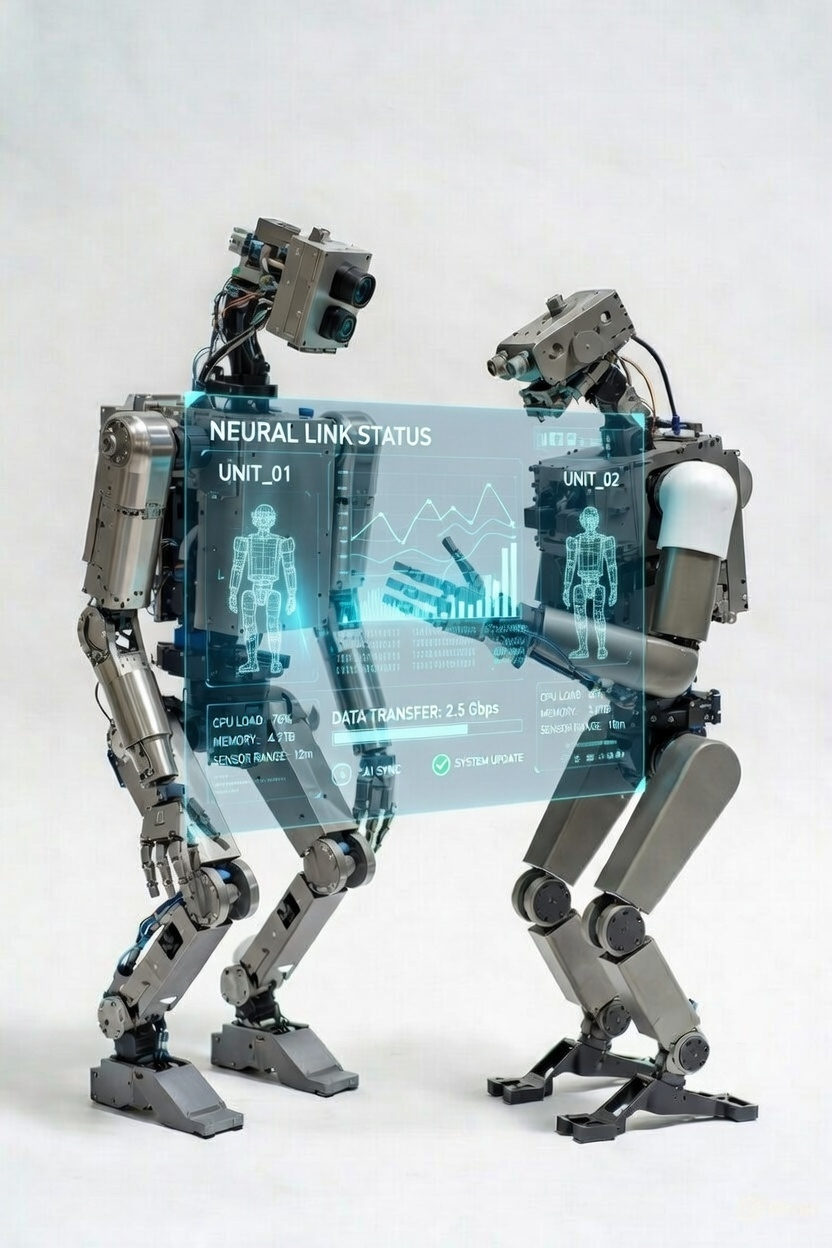
Fabric Foundation mixes open-source code with ledger tech, like blockchain. This tracks who owns what. It's sharing software and keeping a clear record. Developers share code, and the ledger protects rights and changes.
This approach sorts out trust problems, proving who owns what without disputes. Fabric Foundation brings teamwork and credit together.
Resolving Challenges in Robotics
Right now, robots often can't communicate with each other if they're made by different companies. This adds costs, and small companies struggle to get involved. Fabric Foundation aims to fix these issues.
Their tools let different robots connect quickly, thanks to open standards. This makes things easier for new companies to join the field.
The Mechanism: The Technology Underpinning Fabric Foundation
Fabric Foundation uses protocols for robots to sync actions. Standards make sure everything flows smoothly, and data layers add shared intelligence.
This setup allows robots to do more than just follow orders; they can trade skills. Everything is checked on a shared chain. Fabric Foundation makes it simple for builders to get started.
Inter-Robot Communication: Standardized Communication
Robots need to be able to talk to each other. Fabric Foundation creates special protocols that allow any robot to communicate securely. This means a robot in a warehouse can easily talk to a delivery drone.
These rules allow different brands to be mixed freely. Tests have shown this can speed up setups by 40%, saving time and money.
Data Provenance: Determining The Origin of Data
Fabric Foundation uses Decentralized Identity (DID) to track who owns a robot's learned skills. Each robot or piece of data gets a unique tag on the ledger, which tracks its history. This helps prevent fake data.
This approach builds trust, allows for easy audits, and greatly reduces fraud risks.
Rewarding Contributions: Token Systems
Fabric Foundation uses tokens to pay people for helping the network. If you provide computer power or share data, you earn tokens.
This system draws in users, pays people for good work, and funds growth. It aims for fair play, not just big wins for the biggest players.
Real-World Impact
Fabric Foundation's ideas are being tested in real projects. For example, a logistics company reduced errors by 30% by using linked robots. These cases show that the system works.
From Supply Chains to Learning
Fabric Foundation's tools are being used to track goods in supply chains, helping robots work together more effectively.
It also enables robots to learn from each other without sharing private info. Tests have shown this can greatly improve performance.
Verifying Tasks
Fabric Foundation makes it possible to verify tasks, such as checks. A drone inspecting a bridge can have its work stamped as complete on the chain.
This cuts disputes and builds trust, paving the path for reliable automated work.
Community Rules
Fabric Foundation uses a Decentralized Governance (DAO) structure, meaning the community votes on important decisions.
This keeps things fair, funds projects, and decides standards based on community feedback.
Getting Involved
Anyone can join, from developers to robot owners. The more you contribute, the more influence you have. Fabric Foundation involves everyone.