
Imagine a world where your digital memories never fade, where AI agents remember every detail across apps and platforms, and where blockchain isn’t just fast—it’s truly intelligent. That’s the quiet revolution brewing on Vanar Chain, an EVM-compatible Layer 1 born from entertainment roots and now evolving into the ultimate “intelligence layer” for Web3. With tools like myNeutron creating persistent, user-owned AI memory through compact on-chain “Seeds,” and Kayon delivering real-time reasoning for smarter payments, tokenized assets, and immersive metaverses, Vanar isn’t chasing hype—it’s building sustainable utility. Powered by the VANRY token for everything from gas fees to premium AI subscriptions, this under-the-radar chain (with a modest ~$13-14M market cap) is steadily onboarding everyday users and developers into a future where AI and decentralized tech finally merge seamlessly. In a sea of flashy promises, Vanar stands out as the patient builder ready to capture the next wave of real-world adoption.
Vanar Chain stands out as an EVM-compatible Layer 1 blockchain crafted specifically for the intersection of artificial intelligence and Web3. Unlike many chains that bolt on AI features after launch, Vanar integrates intelligence at the protocol level from day one. This makes it a strong contender for powering the next generation of adaptive, real-world applications in areas like gaming, metaverse experiences, tokenized assets, and payment finance.
The project’s origins trace back to entertainment and brand-focused tech, evolving into a broader vision of onboarding billions of everyday users to decentralized systems. Key products include immersive metaverse environments and a gaming network that blend blockchain with engaging digital worlds. At its core, the chain runs on the VANRY token, which handles gas fees, staking, governance, and increasingly, access to premium features.
Ecosystem Updates.The past year has brought steady progress in rolling out the AI stack. Tools like myNeutron—a consumer-facing AI assistant that creates persistent, user-owned memory across platforms—went live and shifted toward a subscription model requiring VANRY for advanced access. This move aims to create sustainable token demand tied to real usage rather than speculation. Recent announcements highlight expansions into PayFi (intelligent payments) and tokenized real-world assets, with new hires strengthening payments infrastructure. Blog posts and updates emphasize how the chain is moving beyond basic execution to become a true “intelligence layer” for on-chain apps.
Technical Foundations: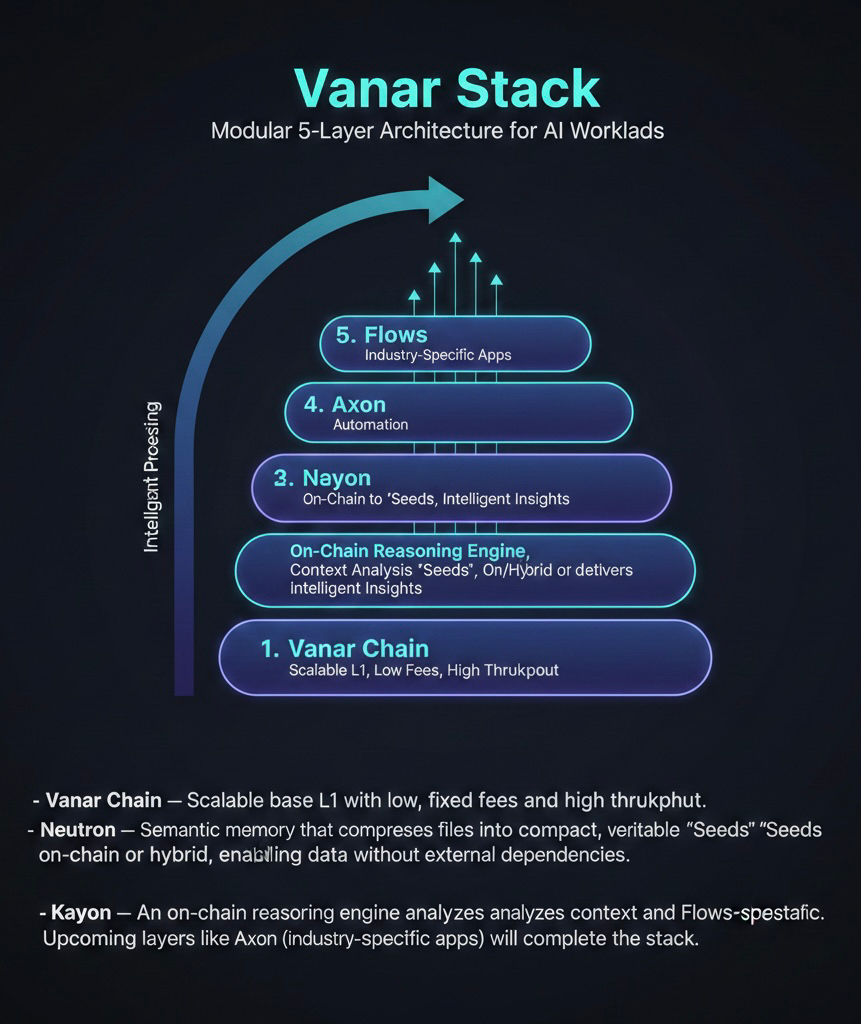
Being fully EVM-compatible means developers can use familiar Ethereum tools with minimal friction, while the focus on on-chain compression addresses long-standing issues like data silos and high storage costs.
Adoption Signals. Current metrics paint a picture of measured, organic growth rather than explosive hype. The VANRY token trades around $0.006, with a market cap hovering near $13–14 million and circulating supply of about 2.29 billion tokens. Daily trading volume sits in the $1.5–2 million range, and the chain sees consistent but modest activity—think steady transactions and staking participation without massive spikes. Holder count remains in the low tens of thousands, reflecting a community that’s engaged but still building.
Developer Trends. The chain appeals to builders by prioritizing practical experience: low predictable costs, fast finality, and AI-native primitives that reduce the need for off-chain hacks. Documentation and tools support easy onboarding, and the emphasis on treating developer time as scarce resonates in a space full of complex setups. Growth appears quiet and focused—more about reliable infrastructure for AI-driven dApps than viral marketing campaigns.
Economic Design VANRY derives value from utility: it’s required for transactions, staking rewards, governance votes, and now premium AI tool subscriptions. As more apps leverage Neutron and Kayon for data compression or reasoning, token demand should grow naturally with usage. The model avoids heavy reliance on inflationary rewards, instead tying economics to real on-chain activity in gaming, AI agents, and tokenized finance.
Challenges Visibility remains a hurdle—metrics are solid for an early-stage project but pale compared to top-tier chains. Competition is fierce, with established networks adding AI retrofits. Regulatory questions around AI-blockchain blends and tokenized assets add uncertainty. If real-world usage doesn’t accelerate, the “AI-native” narrative could feel more aspirational than proven.
Future Outlook Vanar has a compelling path forward if AI adoption in Web3 continues its upward trajectory. Success depends on turning technical differentiation into widespread dApp deployment—imagine intelligent agents managing payments, persistent memories powering metaverse economies, or on-chain reasoning verifying real-world assets. Steady ecosystem building, combined with subscription-driven demand for VANRY, positions it well for gradual, sustainable growth rather than boom-and-bust cycles.
What exact claim are we evaluating today? Vanar Chain is well-positioned for meaningful real-world adoption and growth in the next wave of Web3, thanks to its AI-native design, entertainment origins, and focus on the “next 3 billion users.”
What We Know: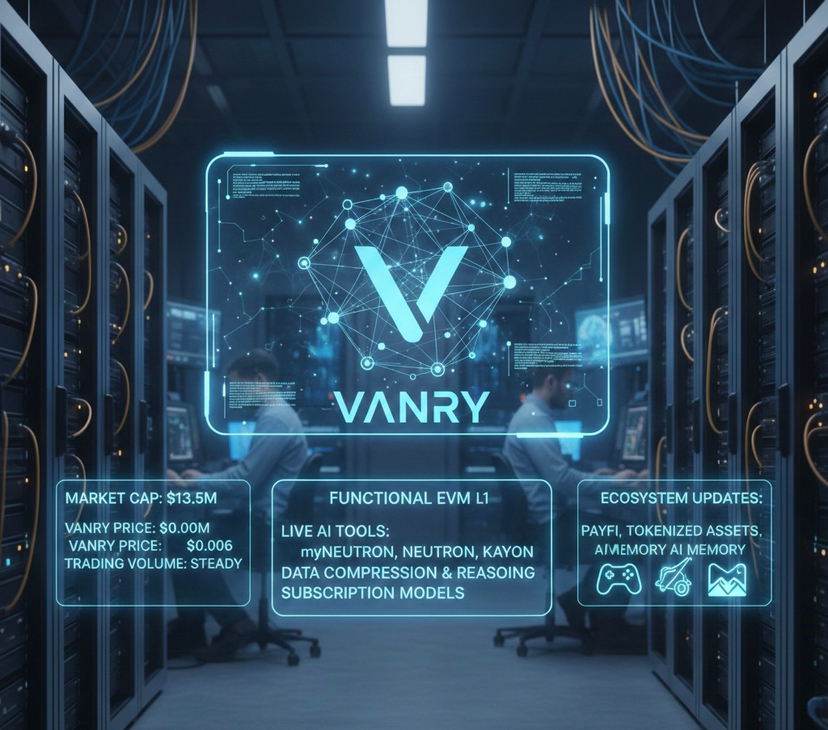
What It Implies The facts point to a chain that’s genuinely building utility-first infrastructure rather than chasing short-term speculation. Modest metrics suggest early, organic traction—ideal for long-term resilience if AI features drive increasing on-chain usage.
What Could Be Wrong Low numbers might signal limited external interest rather than deliberate slow growth. AI tools could still be in early adoption phases, with activity driven more by internal tests than broad users. Competitive pressure from bigger players might overshadow niche advantages.
Next Check Track official explorer data, Dune dashboards, or chain metrics over the coming weeks for rises in daily active addresses, TVL, new dApp launches, and especially usage of AI features (e.g., Neutron Seeds created or Kayon queries). Sustained upward trends would strengthen the case; stagnation or drops would challenge the adoption narrative.
