
Under the crash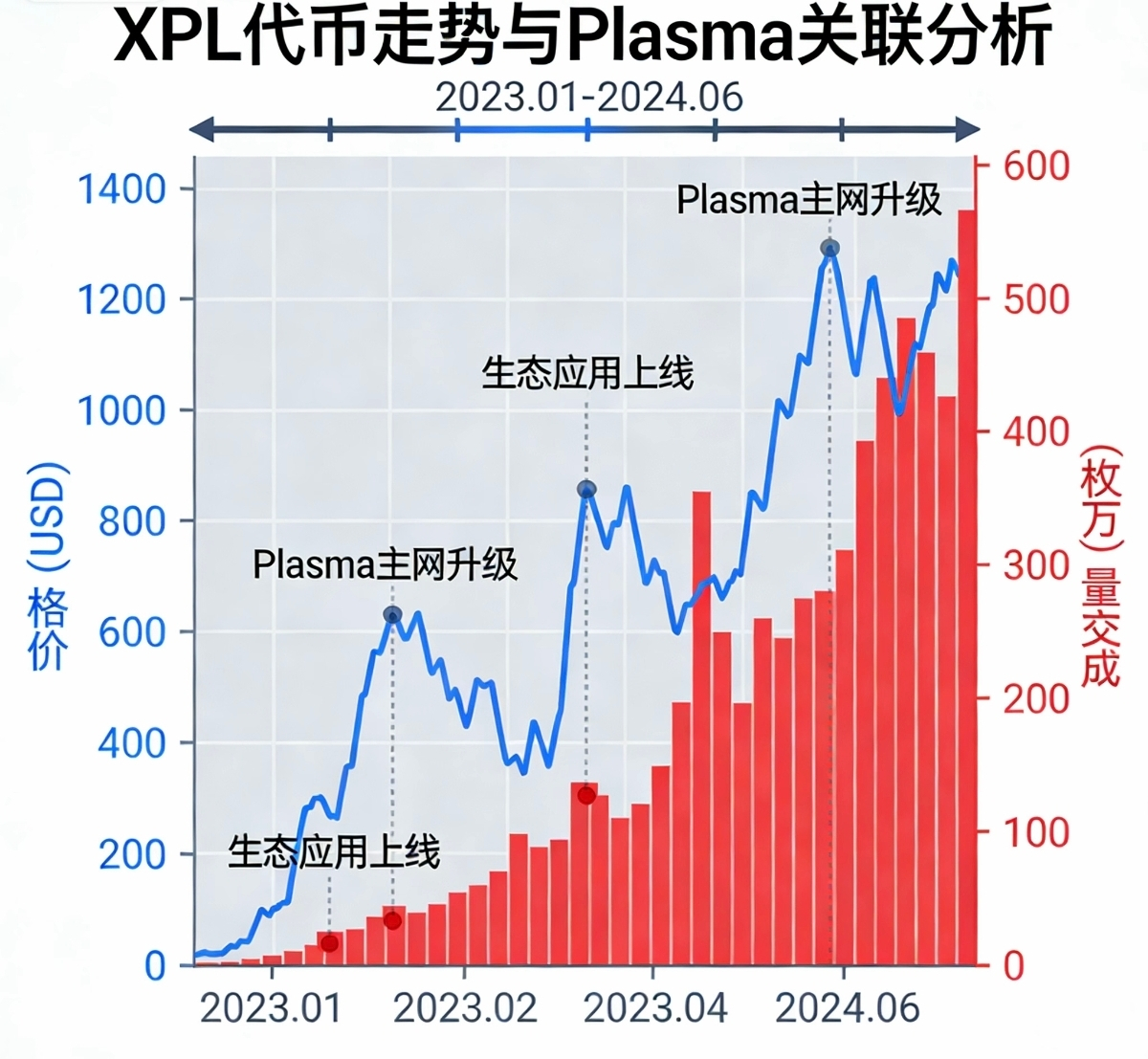 @Plasma 、$XPL 、#Plasma : The true logic behind the crash is more than just market sentiment
In the past week, Plasma (XPL) has experienced a worrying trend for holders, with a 24-hour decline of over 15% and a cumulative drop of more than 21% during the week. The price once fell below $0.08, completely breaking through the 20-day and 50-day moving averages, presenting a fully bearish technical pattern. As a Layer 1 public blockchain focused on stablecoin infrastructure, this round of decline for XPL is not accidental, but rather a result of the resonance of multiple factors including market sentiment, project fundamentals, and external environment. Understanding the underlying logic can clarify the essence of this adjustment.
From the overall market environment, the cryptocurrency market experienced a widespread decline in early February, with Bitcoin, Ethereum, and other mainstream coins plummeting significantly. Risk-averse sentiment among funds surged sharply, resulting in net outflows of institutional capital from the cryptocurrency market, with high-risk small and mid-cap coins being the first to bear the brunt. As a project relying on the narrative of the stablecoin track, XPL naturally becomes the first choice for capital withdrawal when market risk appetite declines. Coupled with the simultaneous weakness of US tech stocks, the correlation between the cryptocurrency market and traditional finance has increased, further amplifying XPL's decline, forming a chain reaction of 'market decline → sector decline → project decline.'
The fundamental issues of the project itself are the core driving force behind the decline of $XPL. After the launch of the Plasma mainnet, although it focuses on 'high throughput and zero-fee stablecoin transfers,' the actual ecological implementation has fallen far short of expectations. On-chain data shows that its TVL (Total Value Locked) continues to shrink, the number of active addresses has declined for several consecutive days, and the volume of stablecoin transfers has not met promotional targets. The liquidity that was initially attracted by incentives is gradually dissipating. More critically, the project team has not released any substantial progress on technical upgrades or ecological collaborations recently, leading to a sharp decline in community discussion and investors losing confidence in a model that 'only tells stories without implementation,' resulting in widespread exits.
The on-chain capital trends have also exposed signs of decline. According to on-chain monitoring, multiple whale addresses have continuously sold XPL over the past three days, with large sell orders occurring frequently, triggering panic selling in the market. There have been past incidents of whales manipulating XPL prices, and this concentrated selling further exacerbates market distrust towards the project. Meanwhile, some exchanges have suspended USDT withdrawals on the Plasma network. Although the official explanation is 'wallet maintenance,' such actions during a downturn inevitably lead investors to associate it with liquidity risks, further intensifying selling pressure.
The tightening of regulations in the stablecoin track has also brought external pressure to XPL. Recently, countries such as the United States and Japan have rolled out intensive stablecoin regulatory policies, imposing stricter compliance requirements on stablecoin issuers and underlying infrastructure. As a public chain focused on stablecoins, Plasma faces compliance challenges. The market is concerned that its existing model cannot meet regulatory standards, limiting future development space, and this expectation is directly reflected in the token price, causing XPL to decline significantly more than similar projects in the sector.
From a technical perspective, the decline of $XPL has long been foreshadowed. When the price fluctuated in the range of $0.13-$0.14, indicators such as MACD and RSI had already shown bearish divergences, with bullish momentum continuously weakening. After breaking through key support levels, a large number of leveraged contracts were forced to liquidate, creating a vicious cycle of 'decline - liquidation - further decline.' Currently, the price has entered an oversold range, but there is a lack of clear rebound signals, and there is still a risk of further decline in the short term.
For XPL holders, this round of decline is both a release of risks and a re-examination of the project's value. If Plasma wants to reverse its downturn, it urgently needs to deliver substantial ecological results to respond to market doubts about its 'implementation capability,' while also strengthening community communication to stabilize investor confidence. For the market, XPL's trajectory also confirms a principle: in the cryptocurrency market, narratives without implementation support ultimately struggle to withstand market fluctuations. Only through a dual drive of technology and ecology can one stand firm during adjustments.
In the future, whether XPL can emerge from the gloom depends crucially on whether the project team can seize compliance opportunities in the stablecoin track, achieving breakthroughs in technological implementation and ecological expansion. In the short term, market sentiment remains cautious, and XPL may continue to experience weak fluctuations; in the long term, if the fundamental shortcomings can be addressed, there is still room for recovery, but this requires a dual proof of time and actual actions.

