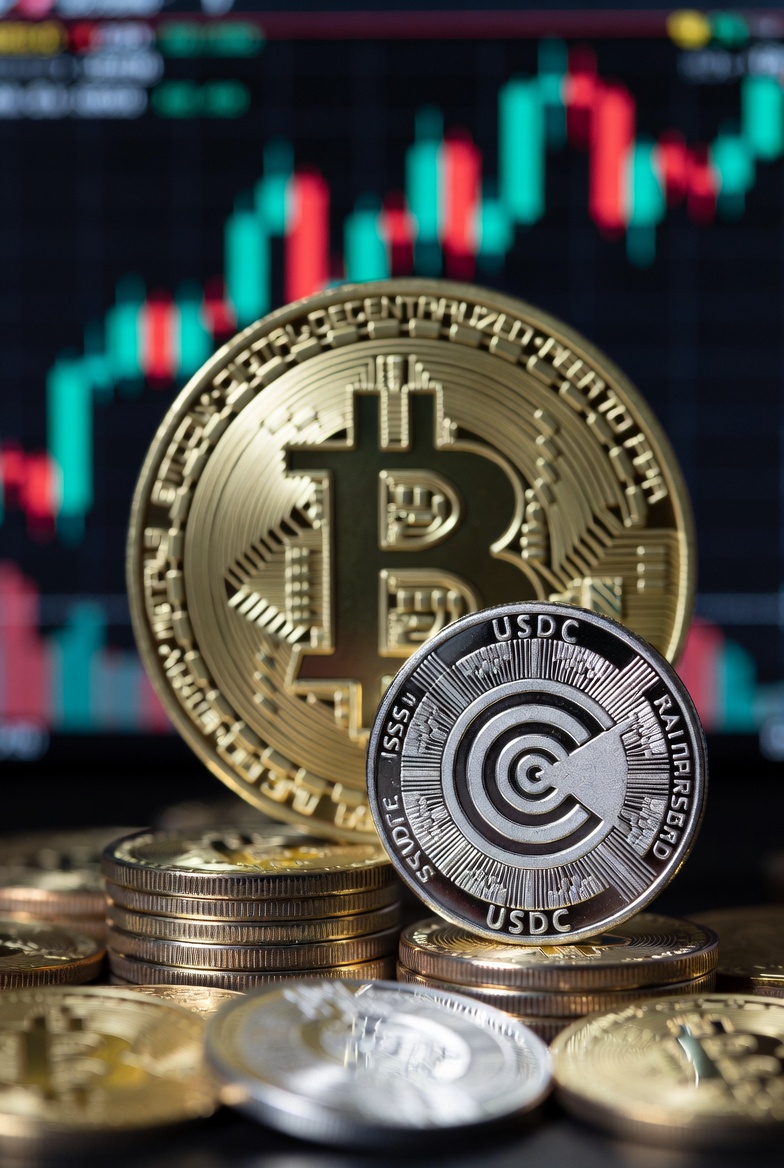
Binance is converting US$ 1 billion from the US$ SAFU fund to Bitcoin.
Announced at the end of January 2026, the plan provides for a gradual transition over 30 days, with purchases in batches of around US$ 100 million (two batches have already been executed, totaling ~US$ 200 million and ~2,630 BTC).
If the value falls below US$ 800 million due to BTC volatility, Binance commits to replenishing with its own treasury.
Is it a bold strategic move or a risky flop?
Let's analyze both sides of this thought.
Why could it be a brilliant strategic move?
1. Maximum confidence signal in Bitcoin 💪
Binance is stating loud and clear: 'BTC is the most solid asset in the crypto ecosystem and the best long-term store of value.'
Exchanging 'stable' reserves for BTC shows ideological conviction — especially after the liquidation meltdown in October 2025, which shook market confidence.
It's an implicit 'mea culpa' gesture and a positioning as the most pro-Bitcoin exchange in the world.
2. Protection against systemic risks 🛡️
Stablecoins depend on dollar reserves, banks, and regulation (see the past issues with Tether and Circle).
In extreme scenarios (banking crisis, freezing of fiat assets, or heavy regulation), BTC could be the real hedge.
Binance bets that, in the long run, BTC appreciates more than inflation or fiat risks.
3. Structural support for the price 📊
Gradual purchases create a 'floor' of demand (~US$ 33 million/day).
The rebalancing below US$ 800 million encourages accumulation on dips, which could help holders and reduce volatility in declines.
4. Powerful marketing 📣
Attracts maximalists, institutions, and communities that value real commitment to BTC.
It may differentiate Binance from more 'neutral' competitors.
🚨 Why could it be a trap?
1. Extreme volatility of the emergency fund.
SAFU exists to protect users from hacks or failures.
BTC could drop 50% in weeks — which would drastically reduce the fund.
Even with promised rebalancing, in real panic this could generate distrust.
2. Risk of loss of confidence.
Many users prefer stablecoins precisely for their stability.
Converting the insurance fund into something volatile may seem reckless to those prioritizing immediate security.
3. Questionable timing ⏰
The announcement came amidst a bear market (BTC in a strong dip post-2025 crash).
If BTC continues to fall, the fund loses real value while Binance accumulates more cheap BTC — but this could be seen as 'betting against the user' instead of protection.
4. Centralization vs. decentralization ⚖️
A centralized exchange betting everything on BTC creates irony: the safety fund becomes more centralized in Binance's view.
Final vision:
It's a bold strategic move with high upside, but not without risks.
For long-term holders and maximalists, it's bullish and reinforces the narrative 'BTC is the future.'
For casual users seeking stability, it could generate FUD.
Binance is betting that BTC will appreciate more than any fiat risk — and has the treasury to cover losses.
In the end, SAFU continues to protect users (they promise to cover hacks regardless of the asset).
But this conversion is a clear message: Binance wants to be seen as the exchange that believes the most in Bitcoin.
What do you all think? Trap or master vision? Comment below! 👇
#Binance #SAFU #Bitcoin #USDC #USD $BTC
BTC or USD?