
In the age of great technological advancements, artificial intelligence offers us incredible creation tools. Unfortunately, this power is also misused to defame, create disinformation, and spread "FUD" (Fear, Uncertainty, and Doubt).
So, how not to fall into the trap?
Here are 5 pillars to detect false information circulating on the web.
1. Common sense: your first line of defense
As is often said, common sense is the most well-shared thing in the world. It is your first line of defense. If information seems suspicious, too shocking, or "too good to be true", it is in 99% of cases. Trust your instincts before clicking "share".
2. Always check via reliable sources
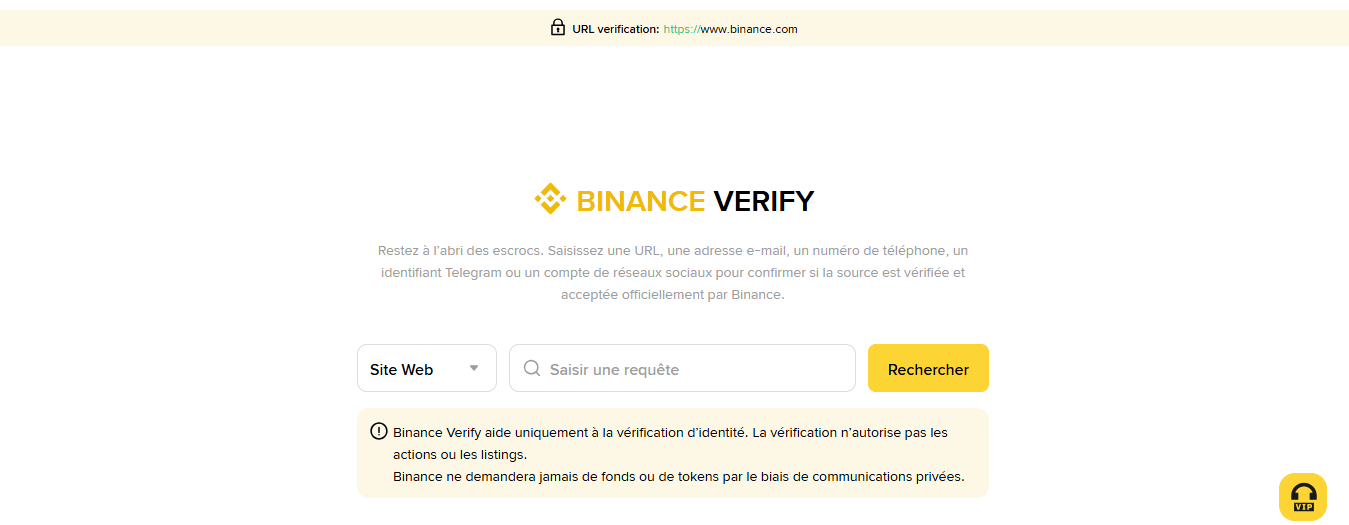
The authenticity of a document or message is verified at the source. For example, if you receive a message claiming to come from the crypto ecosystem, use official tools. The site Binance Verify allows you to instantly check if an email, phone number, or social media account actually belongs to an official representative of the platform.
3. The lack of visual logic
AI still struggles a lot with logical and textual coherence. Pay close attention:
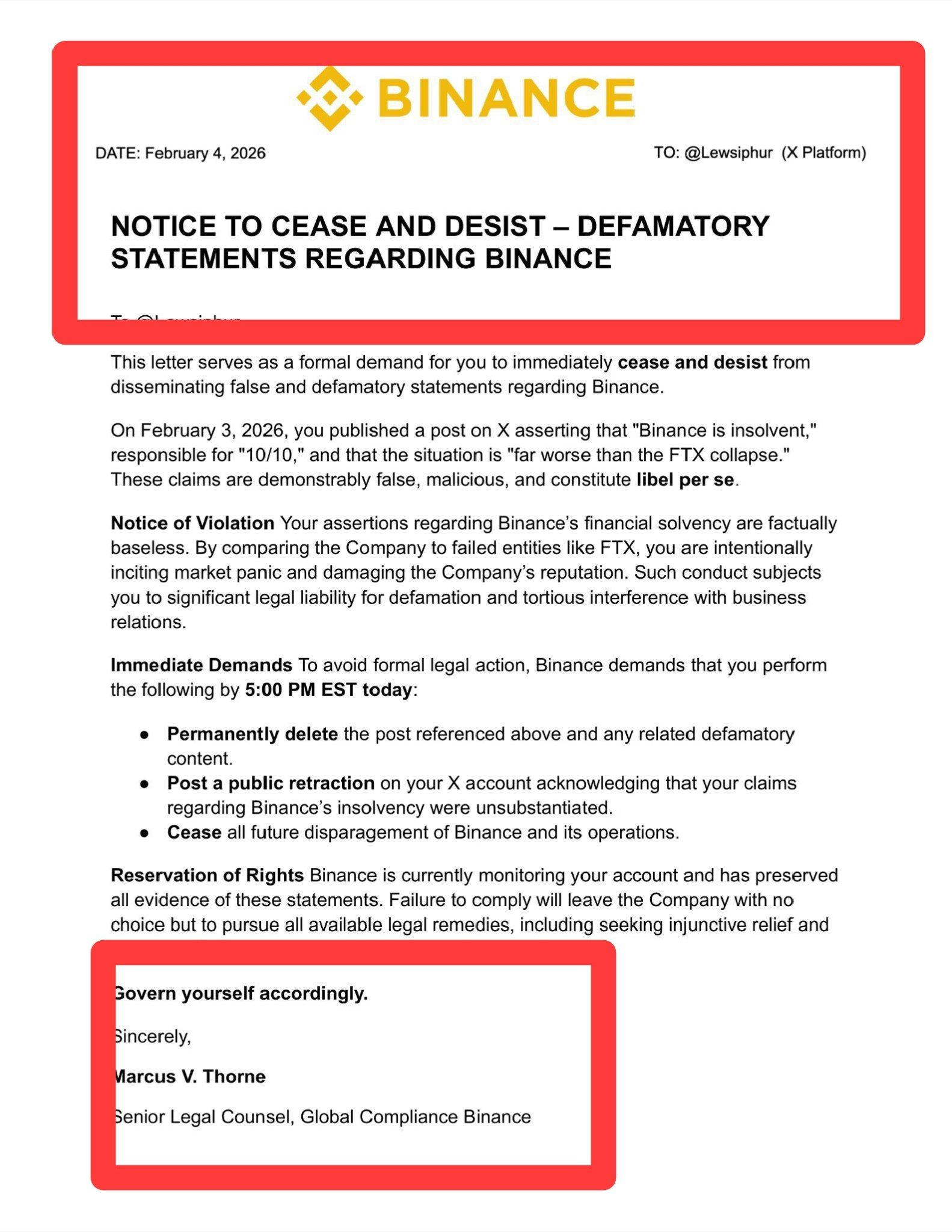
The incoherent text: AI often generates merged letters, gross spelling mistakes, or text that resembles Latin without any meaning.
The professional aspect: On a fake letter, the header is often sloppy. No serious lawyer would send a legal document with such an unprofessional layout or silly content.
4. AI always leaves traces
The devil is in the details. Learn to spot small technical errors:
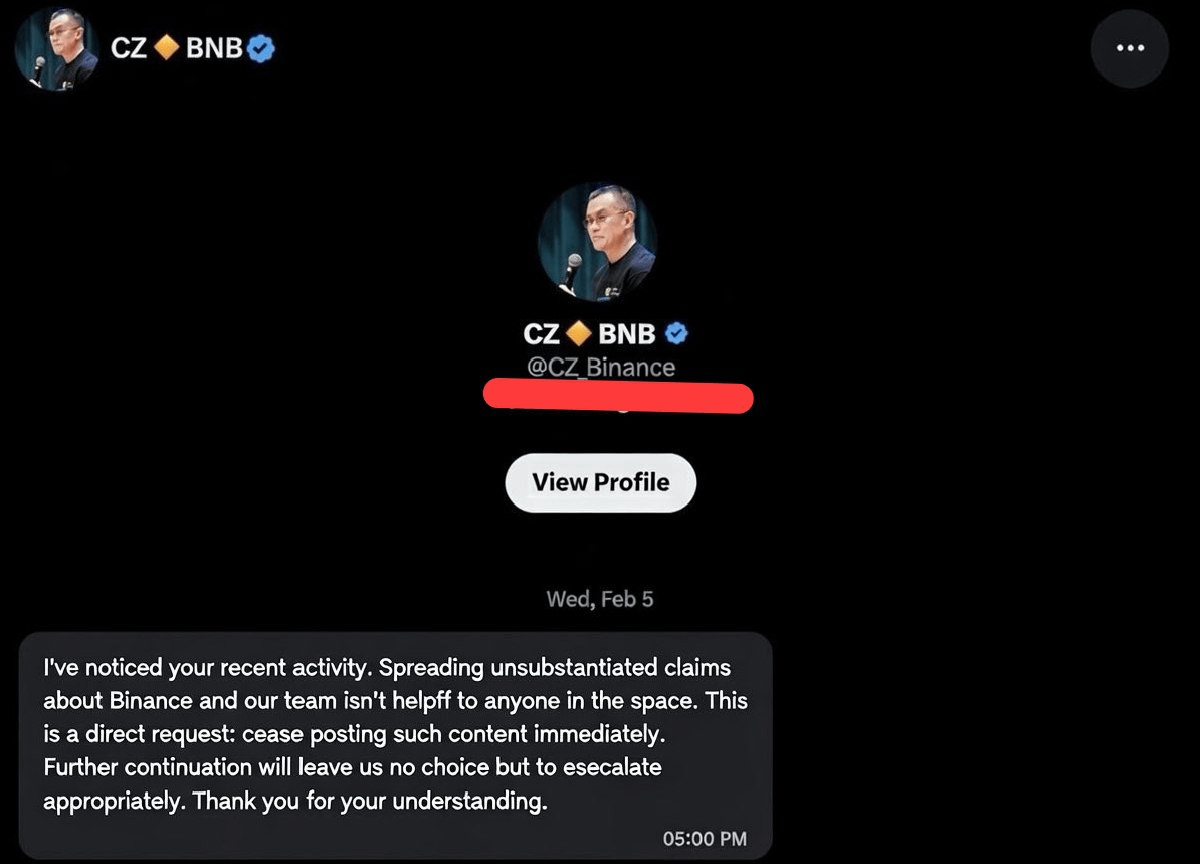
Name inconsistencies: A username with unusual or misplaced capital letters is often a sign of automated creation or a quick imitation.
Ghost identities: If a document is signed by "Marcus V. Thorne", do a quick search on the Internet. If this person does not exist or does not hold the indicated position, you have a fake.
5. What is the interest of the person publishing?
Always ask yourself this question: "What does this person gain by posting this image?" The answer often suffices to understand that it is a manipulation intended to harm a reputation or manipulate a market.
Conclusion: Towards certified information
Technology must also be the solution. Blockchain, through its consensus and validation system, is a major avenue for certifying the authenticity of information in the future.
And you, what are your tips for distinguishing things in the face of AI?