


Recently, a new crack has opened in the hermetic case of Jeffrey Epstein. Following the release of documents by the United States Department of Justice last Friday, January 30, public opinion has been perplexed. This is not just about names on a social agenda; this time, emails and financial statements point towards an unexpected sector: #Criptomonedas . What do these newly published files reveal? Let's explore.
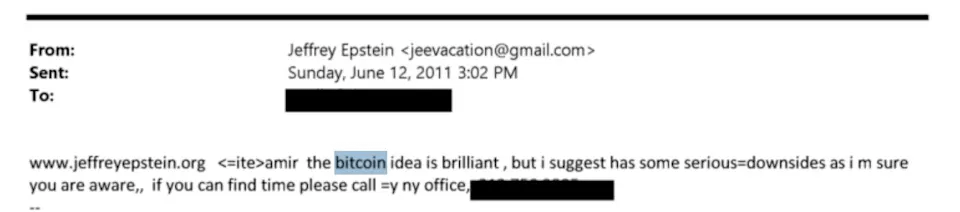
One of the most uncomfortable findings of this disclosure is Epstein's indirect approach to #bitcoin , this through investments in Blockstream in 2014. Blockstream is not just any company; it is one of the most important infrastructure entities for the development of Bitcoin.
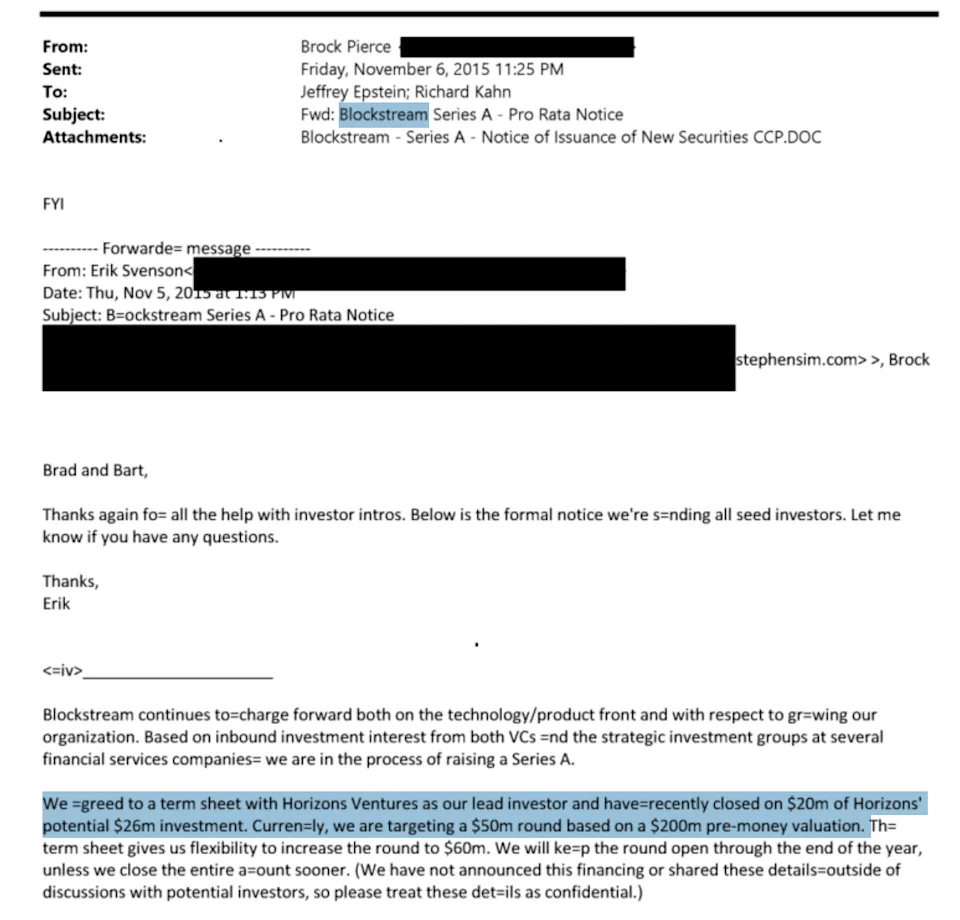
Through an investment fund, Epstein injected $500,000 into the initial funding of the company.
Strategic Meetings: Emails reveal in-person meetings between Epstein and figures like Adam Back and Austin Hill.
Protocol War: In private conversations, competitors like #Ripple and #stellar were discussed, labeling them as "negative" for the ecosystem.
This shows that Epstein was not only seeking profitability but was also immersed in strategic discussions, but only as a spectator/investor, not to make decisions.
This ended later when his investment fund decided to sell its stake in the company.
Epstein's influence seemed to extend to the very philosophy of the asset. In July 2014, he exchanged emails with PayPal co-founder Peter Thiel about the definition of Bitcoin. While the world was just waking up to blockchain technology, they were already debating whether Bitcoin was money, property, or a store of value.
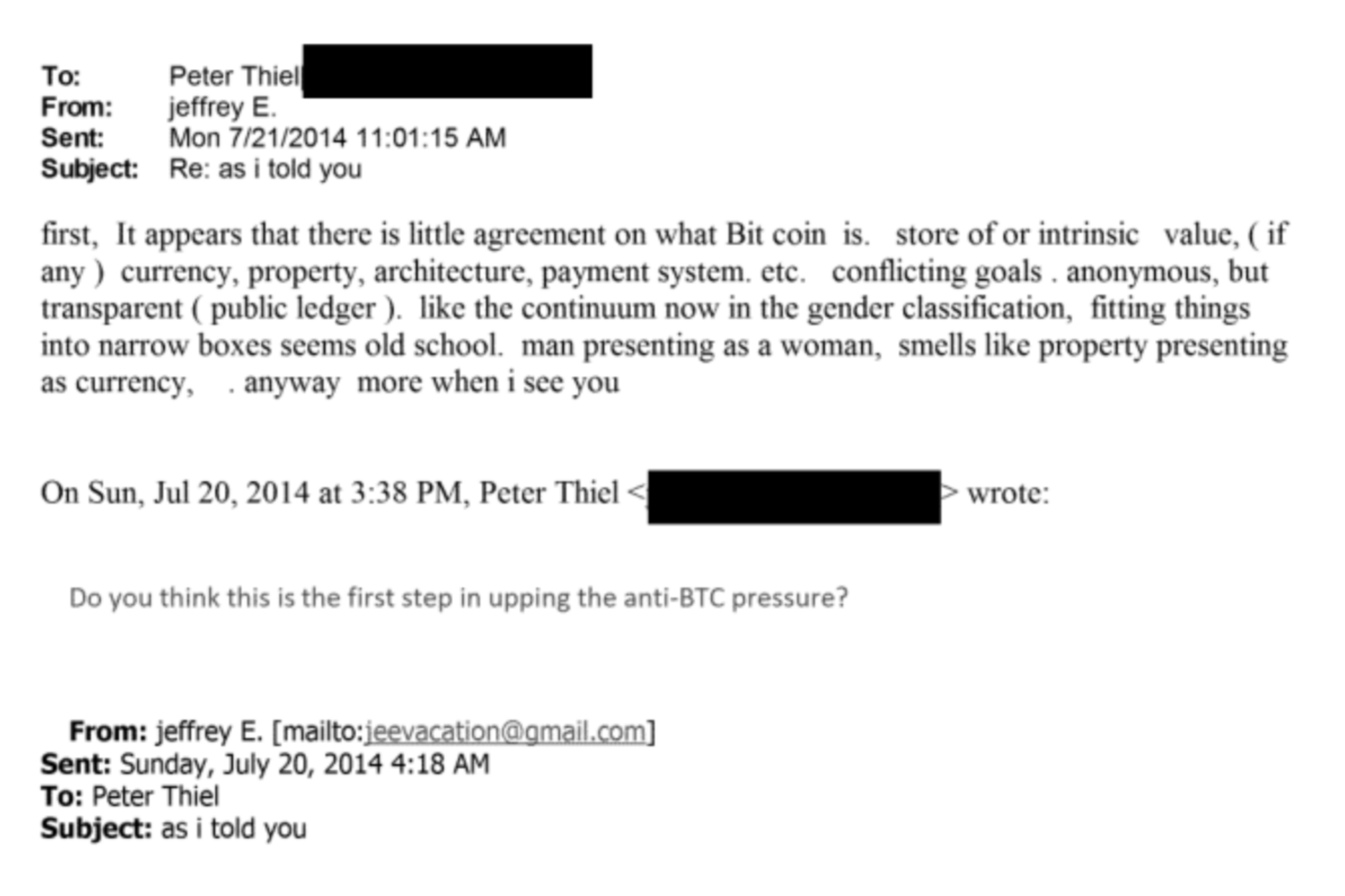
This happened years before the foundations and regulations on Bitcoin were known in the United States.
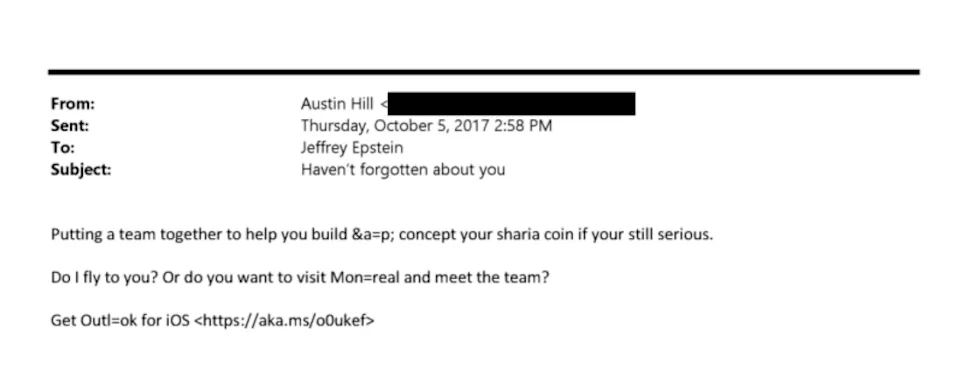
Years later, in 2016, Epstein tried to take his vision further with the proposal of the "Sharia Coin" to Saudi authorities. His plan was to create a physical fiat currency backed by Bitcoin. In his own words: "I have spoken with some Bitcoin founders." An ambitious project that, fortunately for many, never came to light.
The disclosure also reveals names that today dominate the headlines.
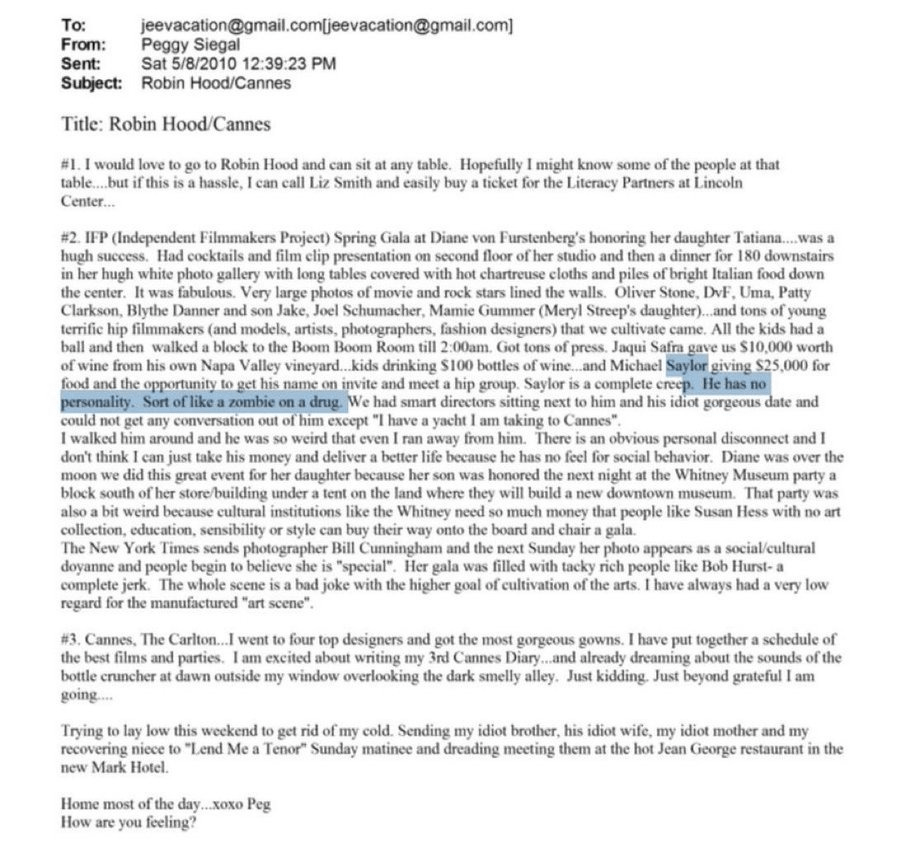
Michael Saylor: The CEO of MicroStrategy appears on a list of donors from 2010 for a contribution of $25,000 to an event linked to Epstein.
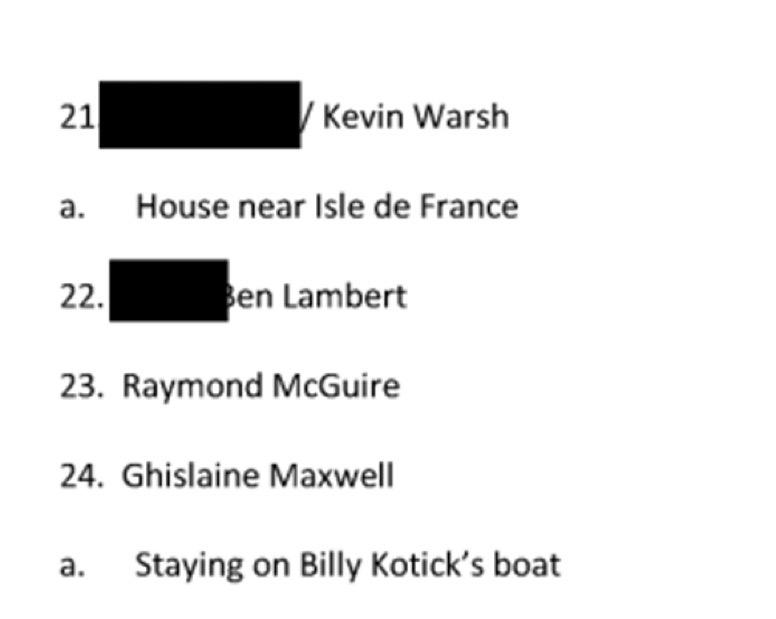
Kevin Warsh: The former Fed member, recently nominated by Donald Trump to lead the Federal Reserve, appears on a guest list for a festive event in 2010 (although there is no evidence of his attendance).
Is Satoshi Nakamoto? The Reality Behind the Myths
Despite the explosive nature of these revelations, it is vital to separate intrigue from technical reality. After analyzing the files, the conclusion is clear:
There is no evidence that Epstein created Bitcoin.
There is no evidence that he was the mysterious Satoshi Nakamoto.
He did not control the development of the Bitcoin protocol.
In fact, in 2017, when the price of Bitcoin began to take off, Epstein gave a resounding "no" to someone who asked him if it was worth buying.
The Mystery that Remains
To this day, no #crypto wallets directly linked to his illegal activities have been found, nor transactions in the #blockchain that incriminate him in digital financial crimes. Epstein seems to have been an occasional investor and a curious observer who surrounded himself with the brightest minds in the field to understand the future of money.
However, there remains a question in the air that keeps the community on edge: Do you think that at some point the crypto wallets of Epstein will be revealed? Or will we see the specific use of cryptocurrencies in the Epstein case at some point?
👉More crypto updates ...
Share and follow me for more 👈😎
$BTC
