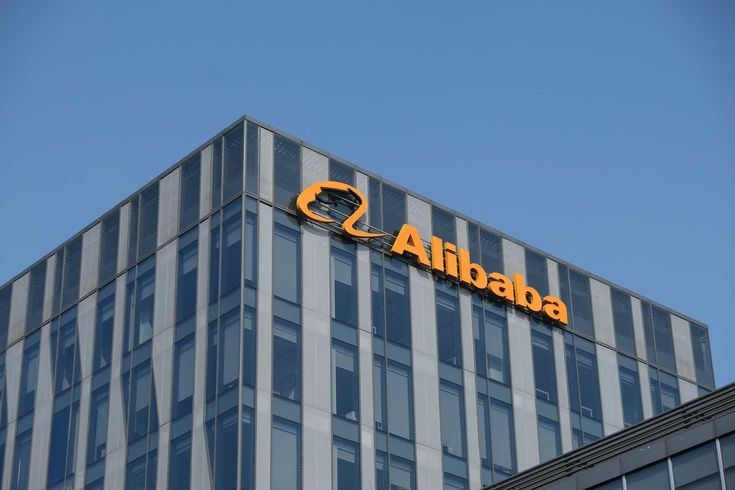
Alibaba Group — one of the largest technology corporations in the world, playing a key role in shaping China's digital economy and the development of global e-commerce. The history of Alibaba is an example of how a local idea can grow into an international ecosystem encompassing trade, finance, logistics, and cloud technologies.
Foundation and first steps (1999–2002)
The company was founded in 1999 in Hangzhou by former English teacher Jack Ma and a group of 18 like-minded individuals. The initial goal of Alibaba was to create a B2B platform that would help small and medium-sized businesses in China enter international markets.
During the dot-com crisis, Alibaba managed to survive by focusing on real business challenges and avoiding aggressive expansion without a sustainable revenue model.
Growth of the ecosystem: Taobao, Alipay, and Tmall (2003–2010)
In 2003, the company launched Taobao - a C2C platform that became a response to eBay's entry into the Chinese market. Taobao quickly gained popularity due to free product listings and adaptation to local needs.
To increase trust in online payments, Alibaba created Alipay, an escrow system that became the foundation for the future fintech ecosystem.
Later, Tmall was launched, focused on brands and large businesses, which allowed Alibaba to strengthen its position in the B2C segment.
Global expansion and IPO (2011–2014)
In the 2010s, Alibaba began active international expansion, investing in logistics, cloud services, and foreign markets. The culmination of this stage was the IPO in 2014 on the New York Stock Exchange (New York Stock Exchange).
Alibaba's stock placement became the largest IPO in history at that time, solidifying the company's status as a global technology leader.
Diversification: cloud, fintech, and logistics (2015–2020)
Alibaba has transformed into a multi-faceted ecosystem:
Alibaba Cloud is a leader in cloud technologies in Asia;
Cainiao - an intelligent logistics network;
the development of digital finance and the ecosystem around Alipay.
The company has bet on Big Data, AI, and infrastructure services for businesses.
The modern stage and transformation (2021–present)
In recent years, Alibaba has faced increased regulatory pressure in China and has changed its development strategy. The company announced a restructuring, splitting the business into several autonomous directions to improve management flexibility and transparency.
Today, Alibaba continues to evolve as a global technology platform, investing in:
artificial intelligence,
cloud and corporate solutions,
international e-commerce,
digital logistics and fintech.
The significance of Alibaba in the global economy
Alibaba is not just an online store, but a complete digital infrastructure for businesses and consumers. The company has had a huge impact on the development of e-commerce, digital payments, and the platform economy, becoming a symbol of technology.