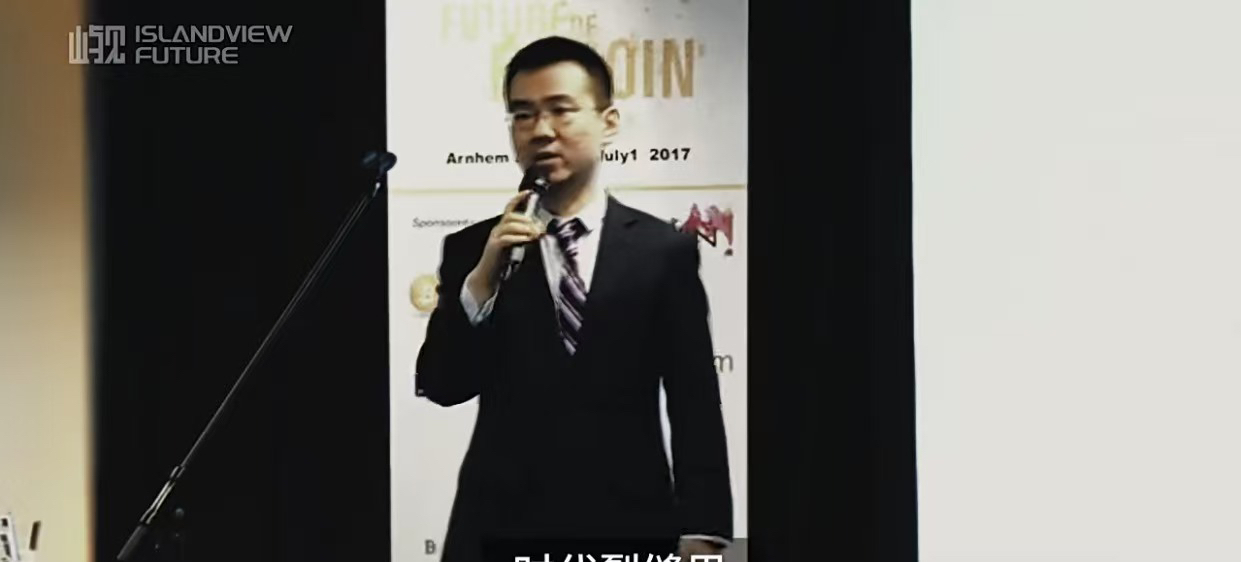
Wu Jihan was born in Chongqing in 1986. In 2009, he graduated from Peking University with dual degrees in Economics and Psychology. Initially, he planned to develop in the traditional finance sector, entering the investment industry after graduation as a venture capital analyst and investment manager, focusing on data analysis and project evaluation, pursuing rational decision-making.
In May 2011, an email about Bitcoin changed his trajectory. At that time, the price of Bitcoin was only about $10. He read the Bitcoin white paper in three days and quickly realized that the traditional financial system was no longer the only coordinate, and Satoshi Nakamoto had opened a whole new paradigm. He began to contact friends to raise funds, using the rationale of 'high risk, high return; either lose everything or get rich,' persuading others to participate together, ultimately raising 100,000 yuan, all of which was invested in buying Bitcoin. That same year, he translated the Bitcoin white paper into Chinese, completing the first Chinese version, which earned him the title of 'Bitcoin Evangelist' from the outside world. He co-founded Babbitt with Chang Jia and Lao Duan, the earliest blockchain information platform in China. A few people and a small office became the starting point for many later entrants.
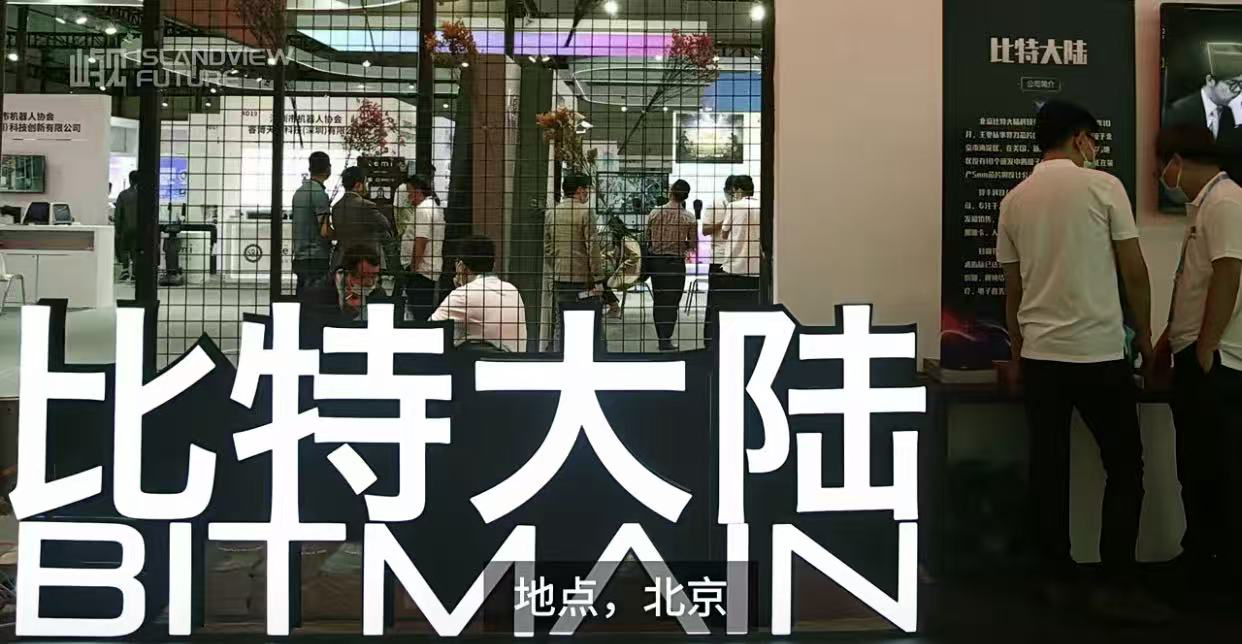
In April 2013, Wu Jihan resigned from his investment banking job. At that time, Bitcoin prices were rapidly rising, and he saw opportunities not just in trading but also in the upstream mining machine manufacturing sector. Although he did not have a technical background, he was introduced to Jihan Wu, who came from Tsinghua University and had strong technical capabilities. After talking for two hours, Jihan Wu decided to join. In October 2013, they jointly founded Bitmain in Beijing: Jihan Wu was responsible for technology development, while Wu Jihan handled marketing, sales, and operations.
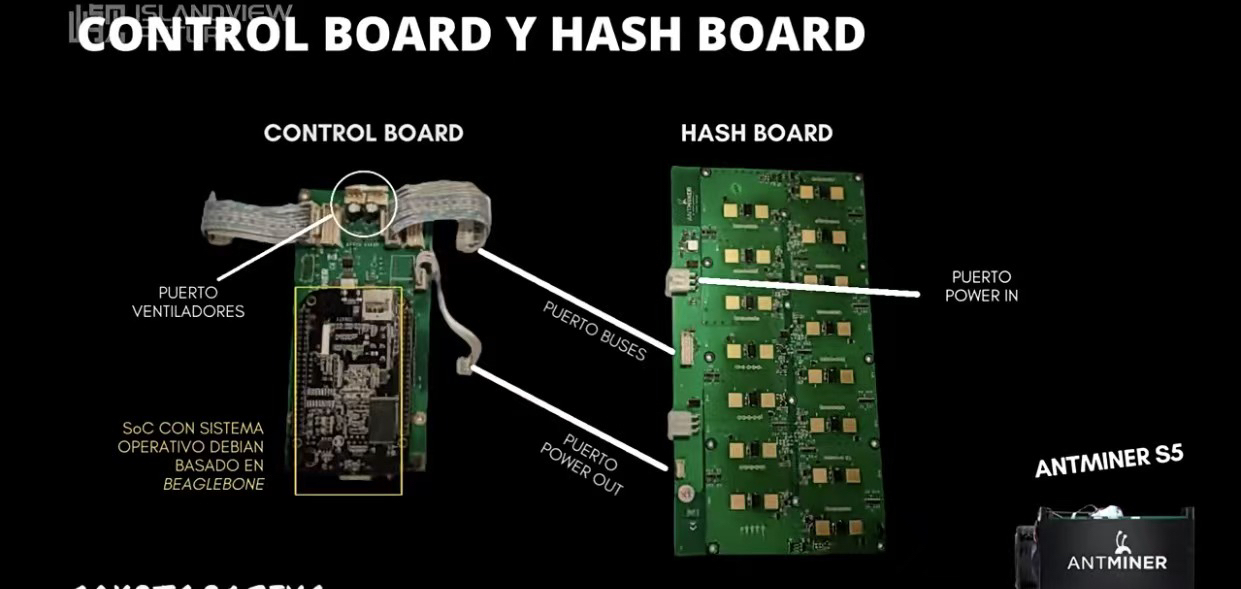
In November 2013, Bitmain launched its first Antminer S1, quickly opening up the market. In 2015, the S5 became a blockbuster product, and Bitmain grew into the world's largest manufacturer of mining machines. In 2017, the company's revenue reached $2.5 billion, capturing over 30% of the global Bitcoin hash rate, and Wu Jihan experienced a significant accumulation of momentum.
However, the greater the momentum, the stronger the reaction. In August 2017, Wu Jihan promoted a hard fork of Bitcoin, founding Bitcoin Cash (BCH), advocating that Bitcoin must scale to solve the capacity issue. This decision created serious disagreements with the Bitcoin core development team. Supporters viewed him as a reformer, while opponents called him a traitor. He engaged in fierce debates with many individuals on platforms like Twitter, even using intense language.
In 2018, Bitmain prepared for a Hong Kong IPO, but the cryptocurrency market took a sharp downturn, Bitcoin plummeted, and BCH depreciated significantly, forcing the IPO plan to be shelved. Internal pressure within the company increased dramatically, and the differences between Wu Jihan and Jihan Wu became further public: Jihan Wu leaned towards developing AI chips, while Wu Jihan insisted on deepening cryptocurrency mining. In early 2019, both resigned from their co-CEO positions, but the conflict remained unresolved. On October 28 of the same year, Wu Jihan unilaterally dismissed Jihan Wu from all positions at Bitmain and changed the legal representative to himself. This action caused a severe upheaval in the company. Jihan Wu subsequently regained his status as legal representative through administrative review.
In the year and more that followed, Bitmain fell into intense struggles for control. In May 2020, an incident even occurred where there was an attempt to 'seize the business license', prompting police intervention, and the company's operations nearly came to a halt, leaving employees confused, investors panicked, and market share plummeting. This became the darkest period in Wu Jihan's career. He later reflected that if both sides had shown more patience and trust, Bitmain might have gone further. However, arrogance and a desire for control exacted a heavy toll on both sides, with that internal strife evaporating tens of billions in market value and causing the company to miss the best window for an IPO.
After that, Wu Jihan gradually faded from the public eye, no longer speaking out frequently or engaging in heated debates, but instead focusing quietly on new projects, including Magic, Sport, and Bitdeer, dedicated to providing compliant and secure cryptocurrency financial services.
The outside world's evaluation of him has always been polarized: some view him as a pioneer and changer in the industry, while others consider him a speculator and consensus destroyer. He accepts all voices, believing these evaluations are marks of the path he has traveled. From a Chongqing teenager, a student at Peking University, an investment manager, to a Bitcoin evangelist, the king of mining machines, the main character in the fork controversy, and finally to a new entrepreneur who has experienced a break and rebirth—Wu Jihan is an entrepreneur who carries scars yet still moves forward.