

Plasma is a Layer 1 blockchain designed from the ground up for high-frequency payments and settlements of stablecoins (especially USDT). Unlike general-purpose public blockchains, Plasma does not attempt to cover all narratives but instead focuses on a single goal: 'how to make stablecoins have efficiency and experience close to traditional payment networks on-chain.'
Its most differentiated feature is elevating stablecoin payments from 'application layer functionality' to 'protocol-level capability.' Through the built-in Paymaster mechanism, USDT transfers can be completed without the user holding native tokens, with Gas costs handled by the network in the background. This design essentially eliminates friction in stablecoin payments, making the transfer experience closer to Web2's instant settlement rather than traditional on-chain interactions.
In terms of performance, Plasma optimizes the consensus and execution paths for high-frequency payments, emphasizing low-latency confirmation and high throughput capacity to accommodate large-scale, continuously occurring transaction flows. This performance orientation is not designed for DeFi peak performance but serves the stable load requirements of payments, clearing, settlement, and merchant-level applications.
For developers, Plasma chooses to be fully compatible with EVM, reducing the migration costs of existing applications. At the same time, the network supports a customizable Gas token mechanism, allowing interaction using USDT or other whitelisted assets, with automatic conversion to XPL by the protocol layer, thus enhancing the flexibility of payment scenarios without affecting the security budget.
In terms of compliance and security, Plasma clearly sees the connection between stablecoins and the real financial system as a prerequisite. On one hand, it introduces auditable privacy protection schemes, and on the other hand, it combines Bitcoin-level security design with cross-chain mechanisms to ensure that the settlement layer has sufficient credibility in high-value scenarios.
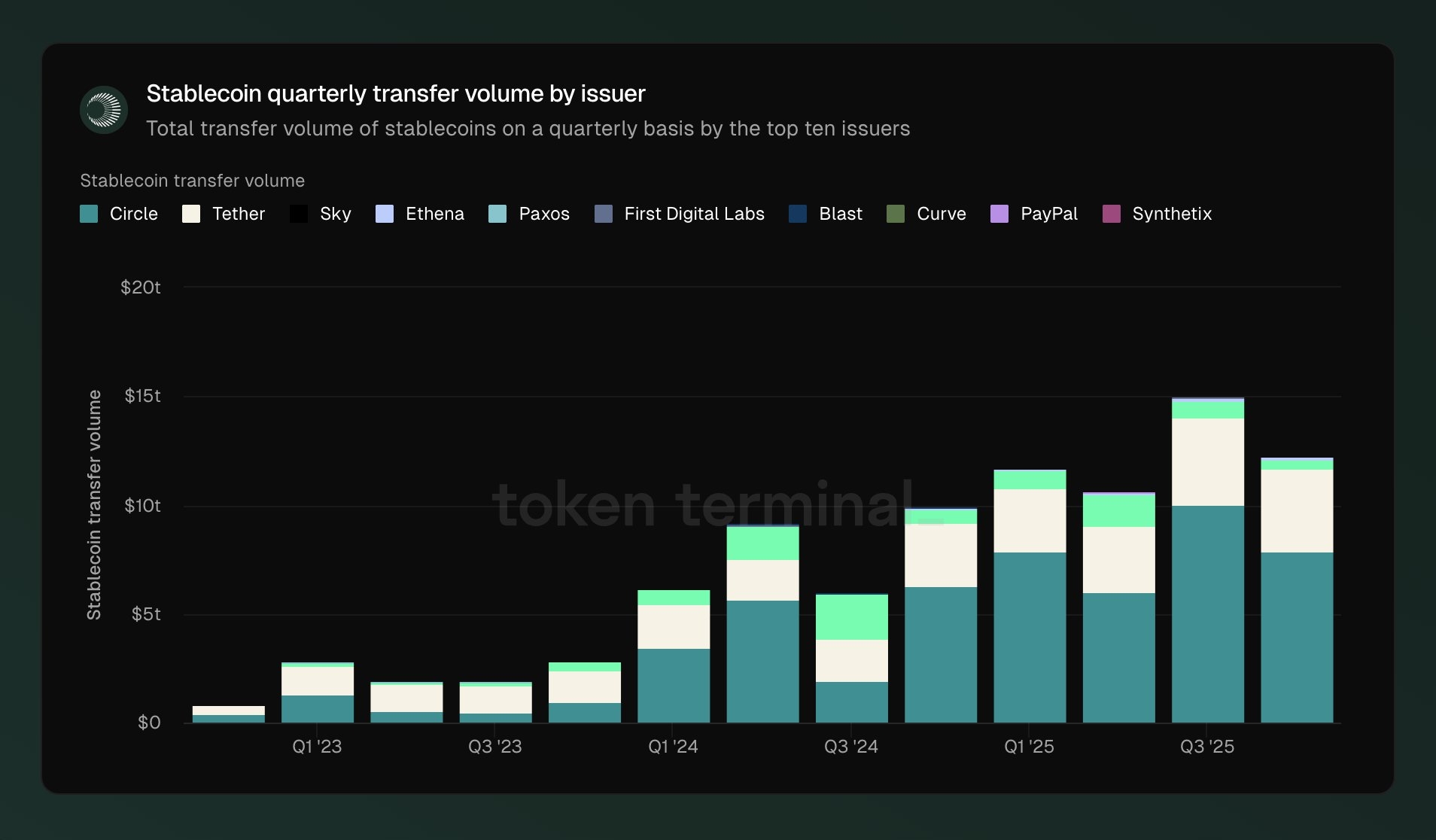
More importantly, Plasma does not position itself as a 'proof-of-concept public chain', but instead directly connects to real payment networks and merchant systems. The ecological cooperation around stablecoin consumption, cross-border settlement, and payment services indicates that its focus is not on showcasing technological potential but on verifying the usability and scalability path of stablecoins in the real economy.
Within this system, the functional positioning of XPL is relatively clear. It plays a core role in network security and resource allocation, used for Gas, staking, and governance in non-stablecoin transactions, while participating in value capture through a fee-burning mechanism. The key variable in its economic model is not the short-term narrative hype but the growth of real settlement activities in the network.
From an overall structural perspective, Plasma's vision is not to replace all existing financial networks but to become a dedicated settlement layer for the stablecoin era, providing a low-friction, high-efficiency, and scalable on-chain channel for digital dollars. In the context of the continuous expansion of stablecoin scale, this vertical, infrastructure-oriented design offers a new path different from the competition of general public chains.
Discussing the value of Plasma, a more meaningful entry point may not be price fluctuations but rather a longer-term question: When stablecoins become an important component of global payments, which settlement infrastructure can truly support their scale and complexity? Plasma provides a systematic answer to this question.

