
The crypto world worships movement.
The chart is moving slightly, hands itching.
Prices are rising, afraid of missing out.
Prices are falling, afraid of losing the opportunity.
It seems there must always be a position to feel alive as a trader.
Meanwhile, the market does not ask us to keep talking.
Sometimes it just wants us to be silent and listen.
Micro teaching is here to train a skill that is rarely celebrated:
mindful patience—not passive, not afraid, but knowing when not to be called.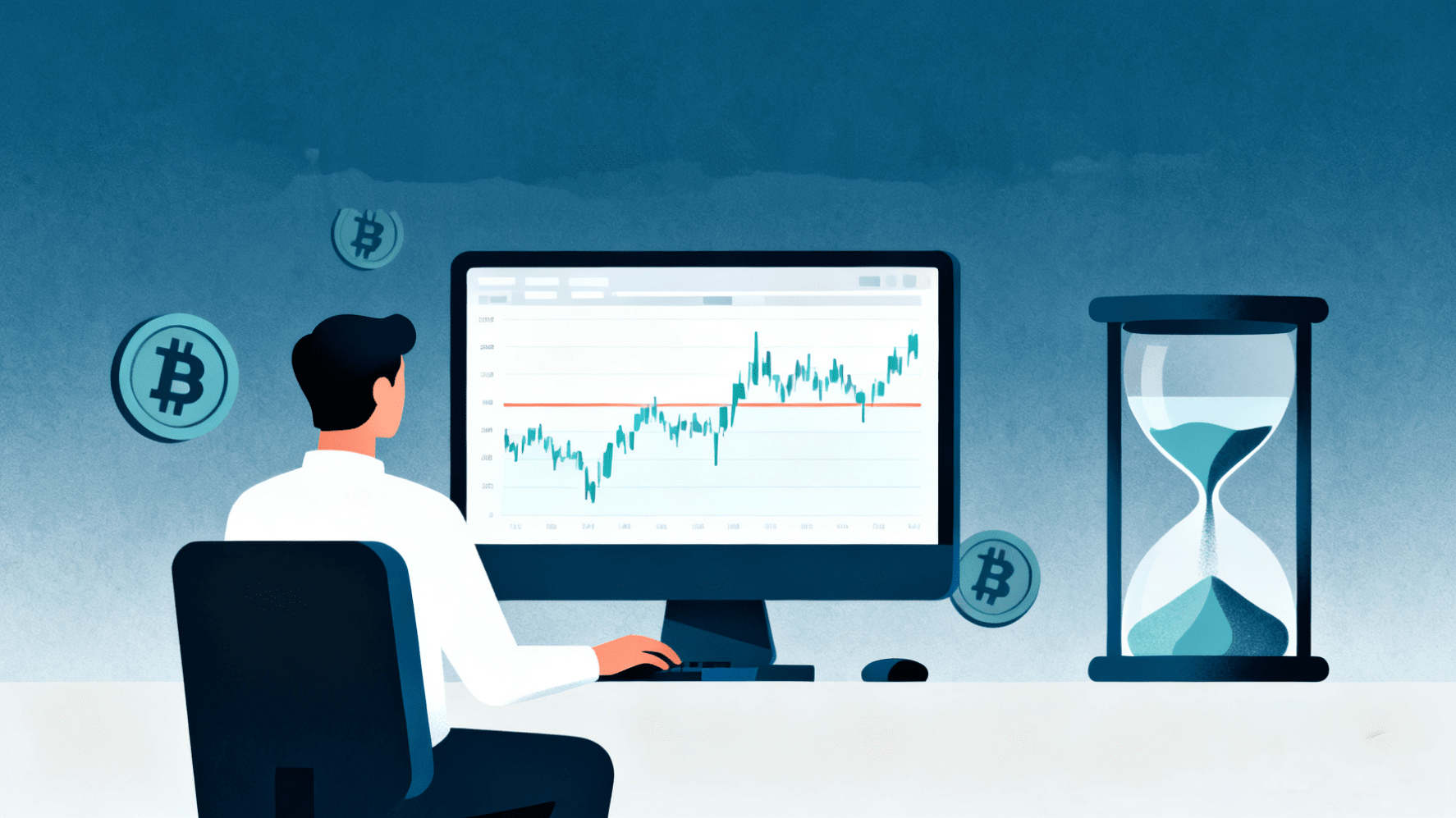
Silence Does Not Mean Being Left Behind
Not trading is often misunderstood as:
doubt,
lack of confidence,
or "not yet at the level."
In fact, in mature practice, not trading is born from reading the context.
Impatient traders ask:
"Where to enter?"
More mature traders ask first:
"Is there really an edge today?"
Micro teaching teaches that not every day is worth responding to.
The market is always open, but not every day does it provide fair opportunities.
Better Market Conditions to Leave
There are phases of the market that are consciously better left alone, for example:
prices move within a range without a clear direction,
the structure has not formed,
random volatility without clean liquidity,
or the trader's inner condition is unstable.
Here, the decision not to trade is not a weakness, but rather protection of capital and mental state.
Silence in moments like this is not missing an opportunity—instead, it avoids costly mistakes.
Recognizing "Days Without Edge"
One important micro teaching exercise is recognizing days without edge.
Its characteristics are simple:
setups look forced,
entry reasons feel contrived,
risk–reward is unbalanced,
or decisions are more driven by boredom than by data.
If the strongest reason for entry is "what a shame not to trade",
it is often the most honest sign not to trade.
Days without edge are not enemies.
They are pauses that give breath.

Active Patience
Patience in micro teaching is not waiting unconsciously.
It is active, full of observation, and honest about the conditions.
Patient traders:
keep noting,
keep reading the structure,
keep learning from the chart without having to enter a position.
They do not feel a loss of identity just because they do not open a trade.

Closure
The market is always open. That's true. But it doesn't always call us to enter.
And traders who can hold back when not called often end up being the most prepared when the real opportunity comes.
Silence can also be a strategy—as long as it comes from awareness, not fear.