
🗣️This guide will take you from zero knowledge to advanced understanding, showing how blockchain works, why it matters, and how you can engage with it.
Introduction: The Birth of Blockchain
Imagine a world where you can trust strangers with money, data, or contracts without needing a bank, a lawyer, or a government. That’s the promise Bitcoin brought in 2008. Behind it was a mysterious figure, Satoshi Nakamoto, who published the Bitcoin whitepaper, laying the foundation for a technology that would redefine trust itself.
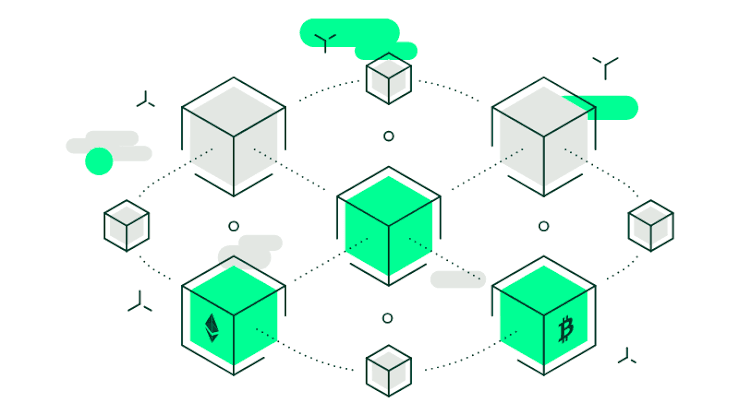
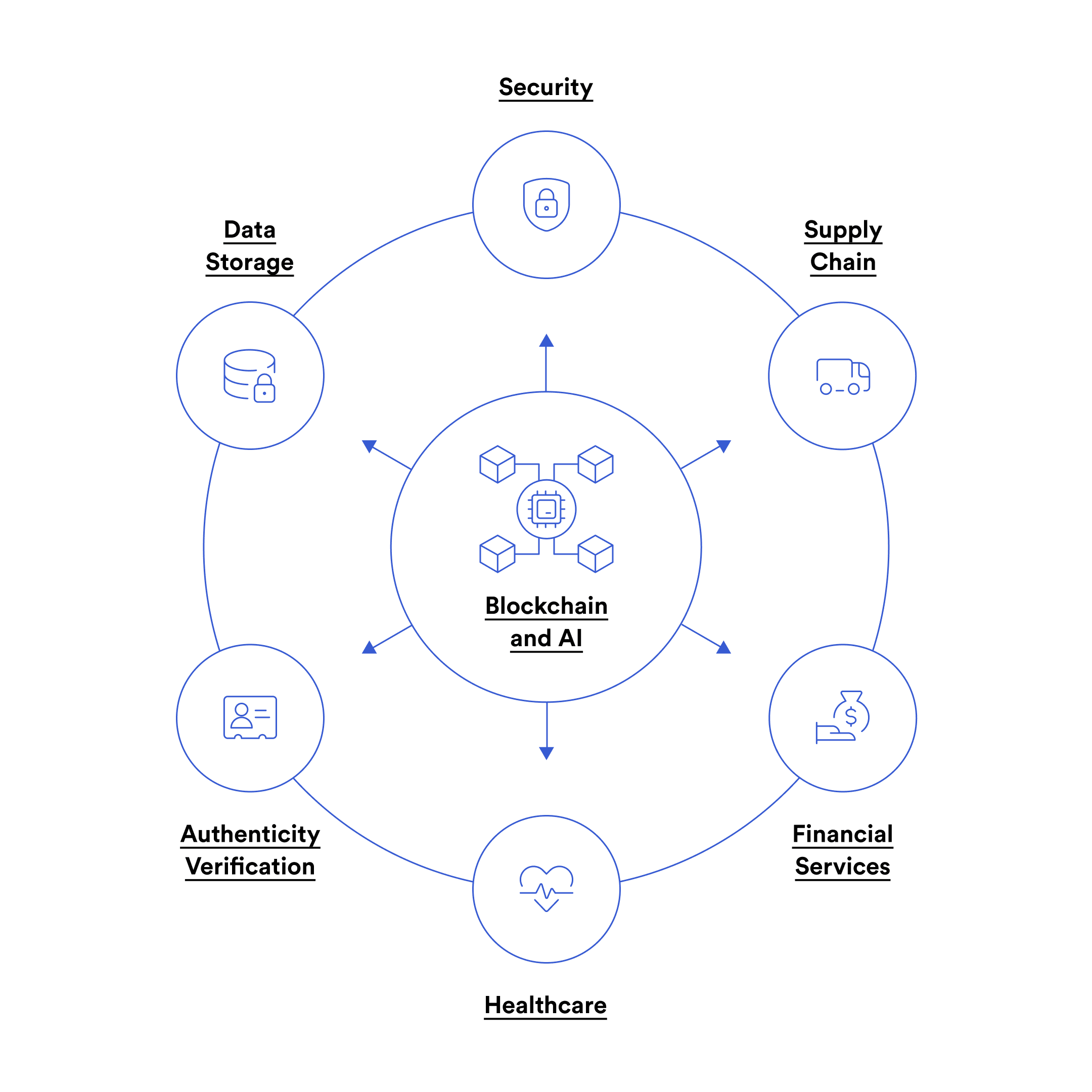
#Blockchain isn’t just a buzzword; it’s a trust protocol. It’s a way to record information transparently, securely, and permanently across thousands of computers, without a single point of failure. Over the past decade, it’s grown from Bitcoin’s digital cash idea into a sprawling ecosystem including smart contracts, decentralized finance (DeFi), NFTs, and even AI integration.
⚙️Blockchain Basics (Beginner Level)
⛓️ What Is a Blockchain?
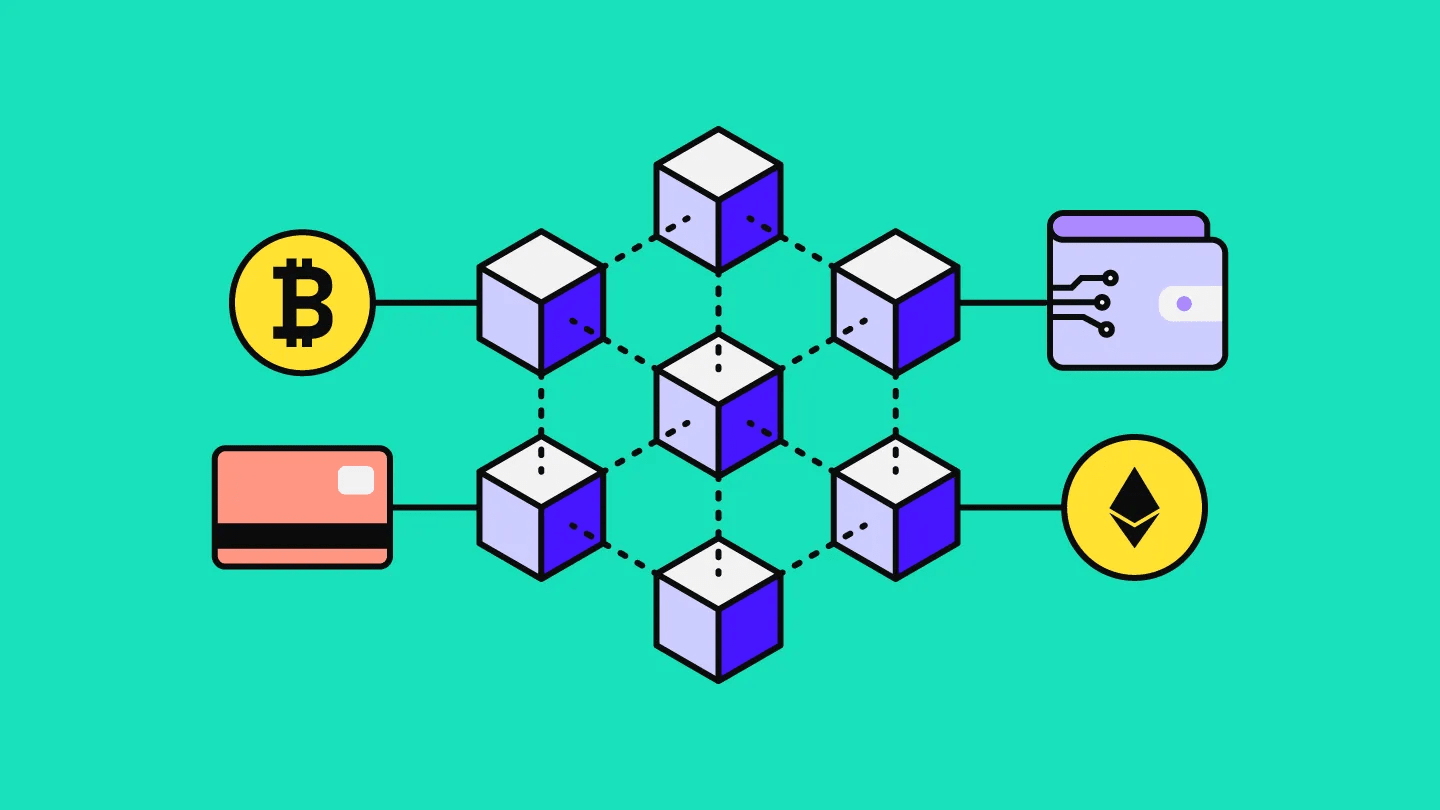
At its core, a blockchain is a digital ledger. Think of it as a spreadsheet that’s duplicated across thousands of computers, where every new entry is permanent and verifiable. Unlike traditional ledgers, no single authority can edit or delete it.
🔸Blocks: Containers of data, usually transactions.
🔸Chain: Blocks linked sequentially via cryptographic hashes.
🔸Hash: A unique digital fingerprint for each block.
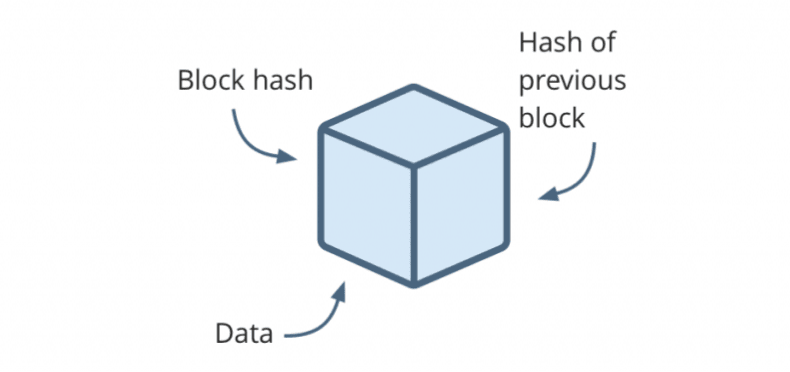
🗣️Analogy: Imagine a diary where each page references the previous page’s unique signature. Tear out a page, and the next page doesn’t match everyone notices. That’s blockchain security.
📊Cryptography in Blockchain
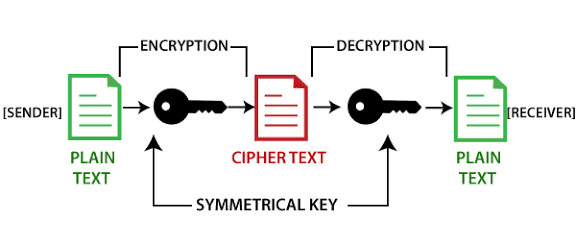
Two key tools make blockchain secure:
🔸Hashing
Converts data into a fixed-length string.Example: SHA-256 used in Bitcoin.
Irreversible: you can’t get original data from the hash.
🔸Public & Private Keys
Public key: your blockchain address (like an account number).
Private key: your password/signature to approve transactions.Together, they enable digital signatures.
⚠️Nodes and Network
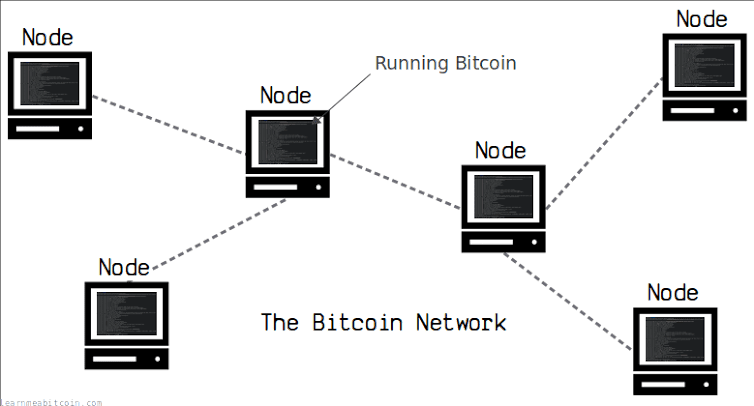
Node: Any computer participating in the blockchain network.
Full node: Stores the entire blockchain and validates transactions.
Light node: Stores minimal data, relies on full nodes.The network is peer-to-peer (P2P). Every node communicates directly with others to maintain consensus.
⚗️Consensus Mechanisms
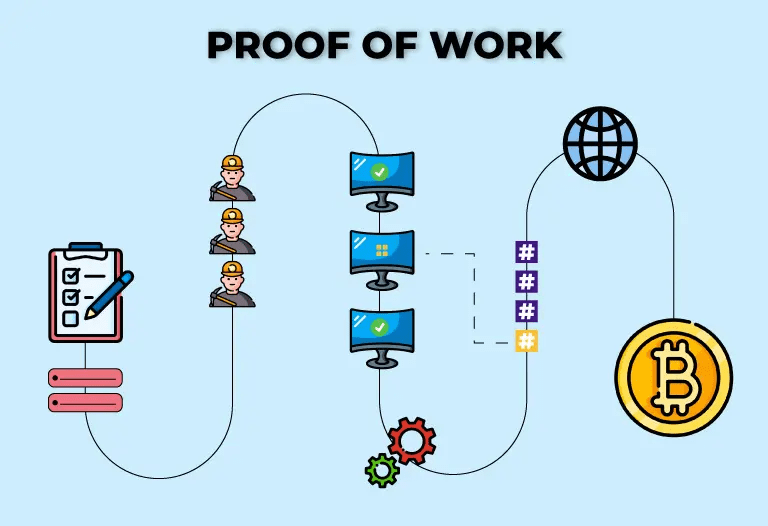
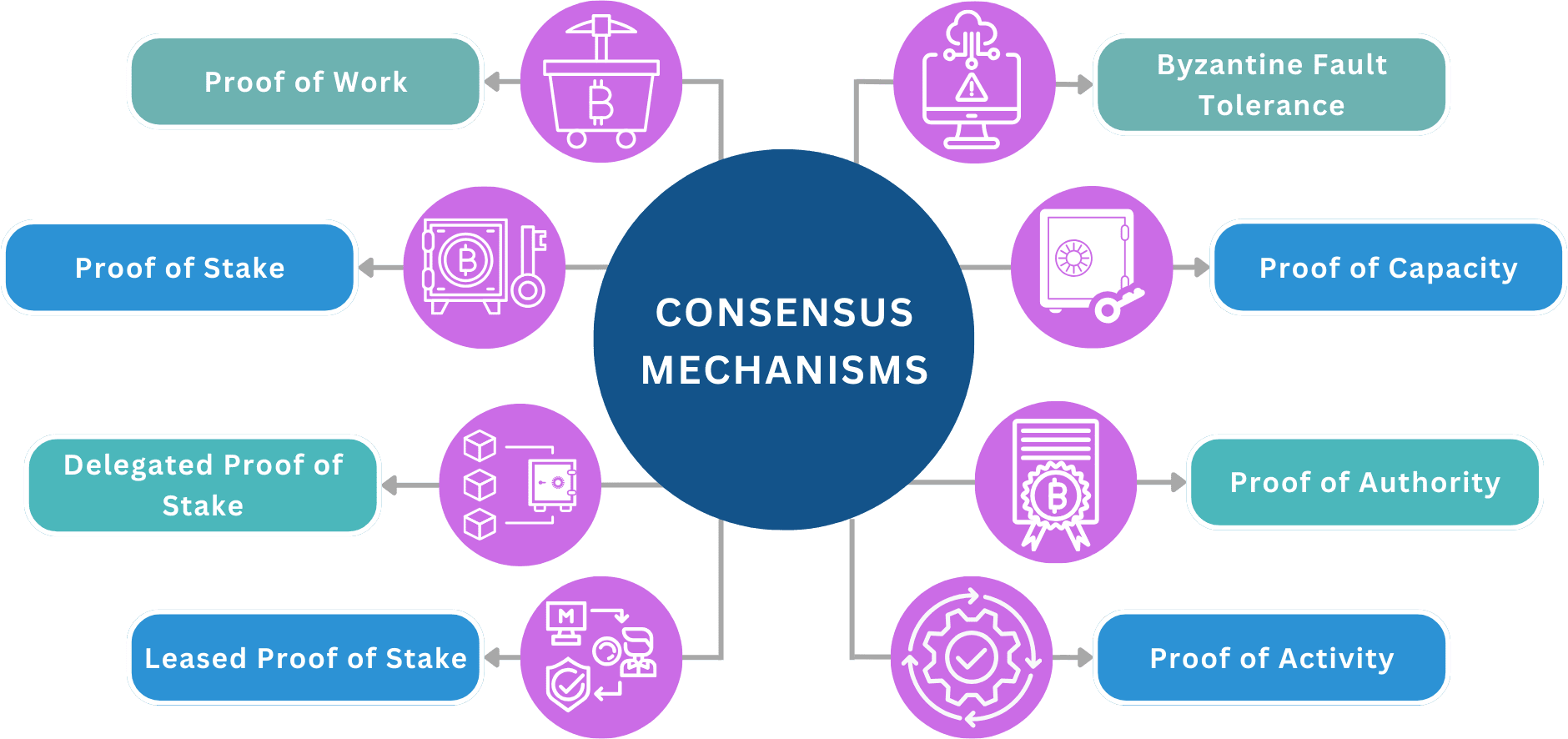
Consensus ensures all nodes agree on blockchain state. Popular methods:
🔸Proof of Work (PoW)
Miners solve complex puzzles to add blocks.Energy-intensive, secure (used by Bitcoin).
🔸Proof of Stake (PoS)
Validators stake tokens to confirm blocks.Energy-efficient, secure, rewards proportional to stake (Ethereum 2.0).
Other variants: Delegated PoS (DPoS), Practical Byzantine Fault Tolerance (PBFT), Proof of Authority (PoA).
🧪Intermediate Blockchain Concepts
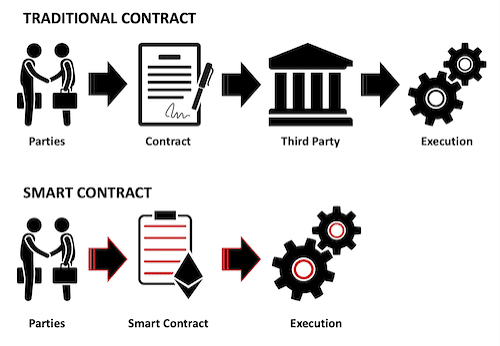
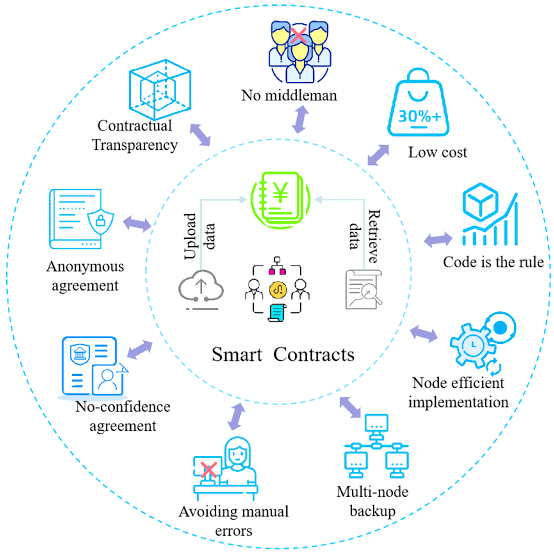
🔹Smart Contracts
Programs that self-execute when conditions are met.Run on Ethereum and other programmable chains.
Examples: automatic payments, DeFi lending, NFT minting.
🔹Tokens and Standards
ERC-20: Fungible tokens (fungible = interchangeable, like USDT).
ERC-721: Non-fungible tokens (NFTs = unique digital assets).
ERC-1155: Hybrid standard (fungible + non-fungible).
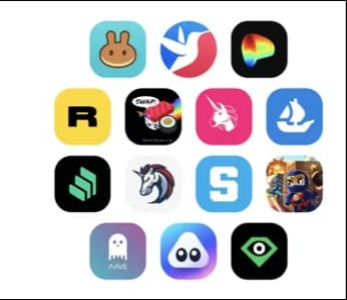
📱Decentralized Applications (dApps)
Apps that run without centralized servers.
Examples: Uniswap (DEX), Aave (lending), OpenSea (NFT marketplace).
🔗Blockchain Types
Public: Open to all (Bitcoin, Ethereum).
Private: Restricted access (Hyperledger, enterprise chains).
Consortium: Shared governance among trusted parties.
⛓️💥Advanced Blockchain Concepts
Layered Architecture
🔹Layer 0: Blockchain infrastructure & interoperability (Polkadot, Cosmos).
🔹Layer 1: Base blockchains (Bitcoin, Ethereum).
🔹Layer 2: Scaling solutions (Polygon, Optimism).
Scalability Trilemma
Blockchain must balance:Security,Decentralization and Scalability
Solutions: Sharding, sidechains, rollups.
Interoperability
Cross-chain protocols allow asset & data transfer between blockchains.Examples: Cosmos Hub, Polkadot, Chainlink CCIP.
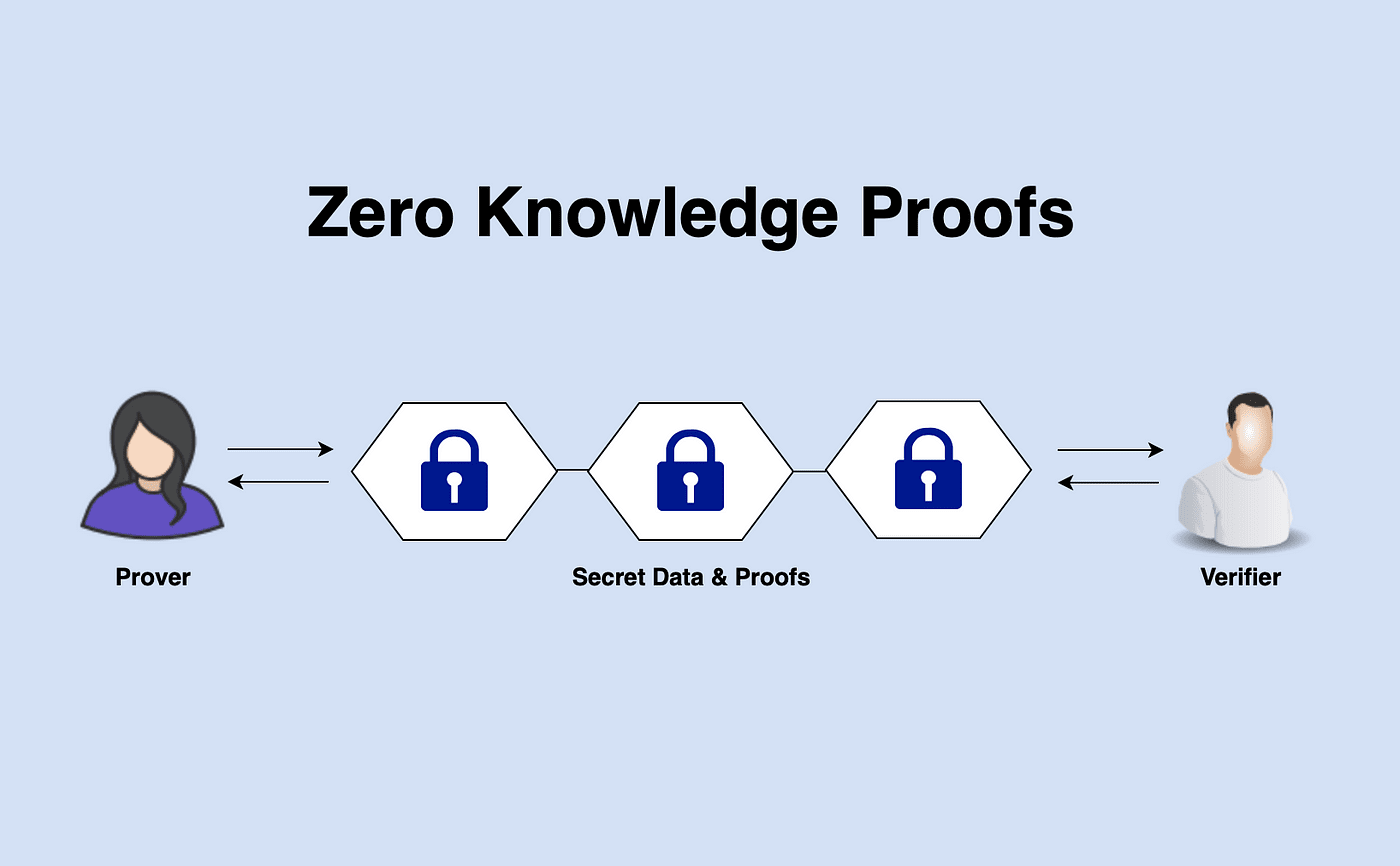
👌🏻Zero-Knowledge Proofs (ZKP)
Prove knowledge of data without revealing the data.Used in privacy coins, zk-rollups, confidential DeFi transactions.
Governance Models
On-chain governance: Token holders vote (Tezos, Polkadot).Off-chain governance: Community + developer consensus (Bitcoin).
🖥️Real-World Applications
Finance
Cryptocurrencies: Bitcoin, Ethereum, stablecoins.
DeFi: Lending, borrowing, yield farming, DEXs.
NFTs & Metaverse
Digital ownership of art, land, collectibles.Gaming + blockchain = play-to-earn economies.
Supply Chain & Logistics
Track goods from origin to customer.Reduces fraud, increases transparency.
Identity & Data Management
Self-sovereign identity, healthcare records.Users control their data.
Enterprise & Governments
Private blockchains for record-keeping, trade finance, CBDCs.
🪚Cutting-Edge Trends
AI + Blockchain: Decentralized AI marketplaces (SingularityNET, Fetch.ai, Ocean Protocol).Artificial Superintelligence Alliance: Collaboration between AI-blockchain projects for decentralized superintelligence.
Tokenization of Real-World Assets: Stocks, real estate, commodities on-chain.Quantum-Resistant Blockchain: Preparing for quantum attacks.
☣️Risks & Challenges
Hacks, smart contract vulnerabilities, rug pulls.Regulatory uncertainty.PoW energy consumption.Scalability bottlenecks.Quantum computing threat.
🚸Learning & Building Roadmap
Beginner: Understand blockchain, Bitcoin whitepaper, Ethereum docs.
Intermediate: Learn smart contracts, token standards, DeFi concepts.
Advanced: Deploy dApps, build layer 2 solutions, explore AI-blockchain integration.
Programming: Solidity, Rust, Go.
Hands-On: Run nodes, join DAOs, contribute to open-source projects.
Blockchain is more than cryptocurrency it’s a trust layer for the digital world. From hashing and blocks to ZKPs, decentralized AI, and tokenized real-world assets, it’s an evolving ecosystem that’s reshaping finance, governance, identity, and technology.
