
When people hear “SVM L1,” they usually bucket Fogo in with every other high-throughput chain — big TPS numbers, trader-centric branding, and speed as the headline feature. But Fogo isn’t really about slogans. It’s about design choices.
At its core, Fogo asks a simple question:
If on-chain finance wants to compete with professional markets, why do we ignore the same constraints those markets obsess over:
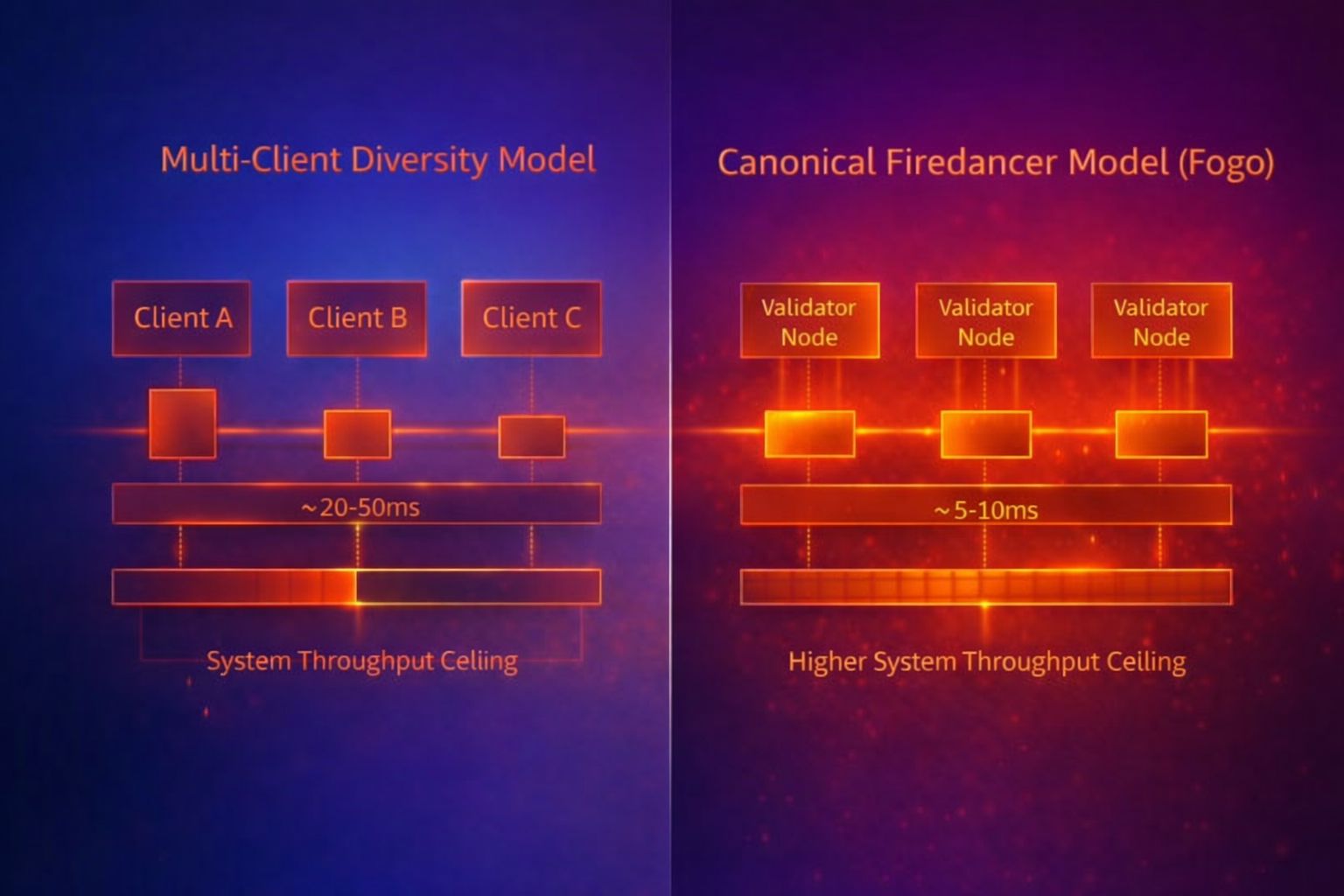
In traditional trading environments, geography matters. Network jitter matters. Client performance matters. Microseconds matter. Yet in crypto, these variables are often treated as background noise rather than first-order system risks.
Fogo treats them differently.
Instead of marketing “speed” as the goal, Fogo’s architecture focuses on coordination — synchronizing time, location, validator behavior, and client performance so markets behave predictably. The aim isn’t just higher throughput. It’s tighter alignment across the entire system.
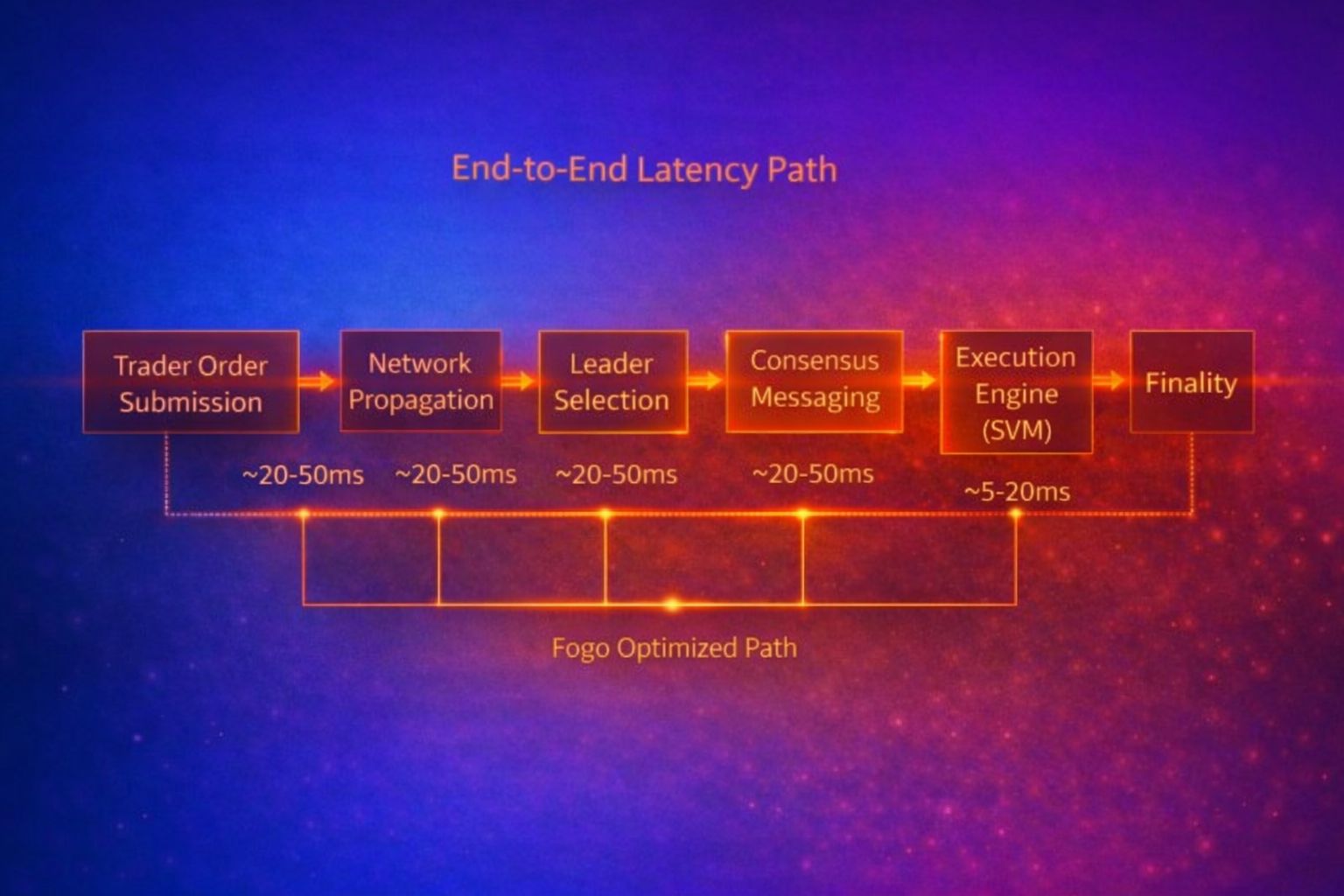
The emerging narrative isn’t raw TPS.
It’s structured latency management.
The core thesis is simple: latency isn’t just a user experience problem — it’s a systemic design issue. If you want real-time finance on-chain, you can’t treat delay as an afterthought. You have to build around it.
In crypto, latency is often tolerated.
In real markets, it’s engineered away.
Fogo builds with that difference in mind.
