
There is a quiet frustration most people never say out loud about crypto. It is not the market crashes or the charts. It is the feeling of using it.
The popups wear you down. The fees change like weather. It can feel like you need a mini degree in wallets just to play a game or buy a digital item.
For years blockchains have asked normal people to think like engineers. This project is trying to flip that script. Instead of asking the world to adapt to crypto it asks what if crypto adapted to the world.
Not louder. Not faster. Just easier and invisible. Like wireless internet.
It did not come from a trading desk mindset. Its roots are in games entertainment and digital culture. The messy emotional human corners of the internet where people do not care about how the system reaches agreement. They care about fun identity ownership and belonging.
That background changes everything. Because when your users are gamers or fans instead of traders you do not optimize for bragging rights. You optimize for whether it loads instantly. Whether costs feel predictable. Whether it feels normal. If it does not they leave.
Technically it is still a layer one blockchain. It is still a network secured by its token for fees staking and governance. But the interesting part is how those mechanics are treated more like user experience tools than financial toys.
Costs are designed to be fixed and predictable instead of swinging wildly with congestion. That sounds small until you imagine a kid trying a web three game for the first time and seeing the price change every click. Predictability is not just convenience. It is trust. And trust is what consumer adoption actually runs on.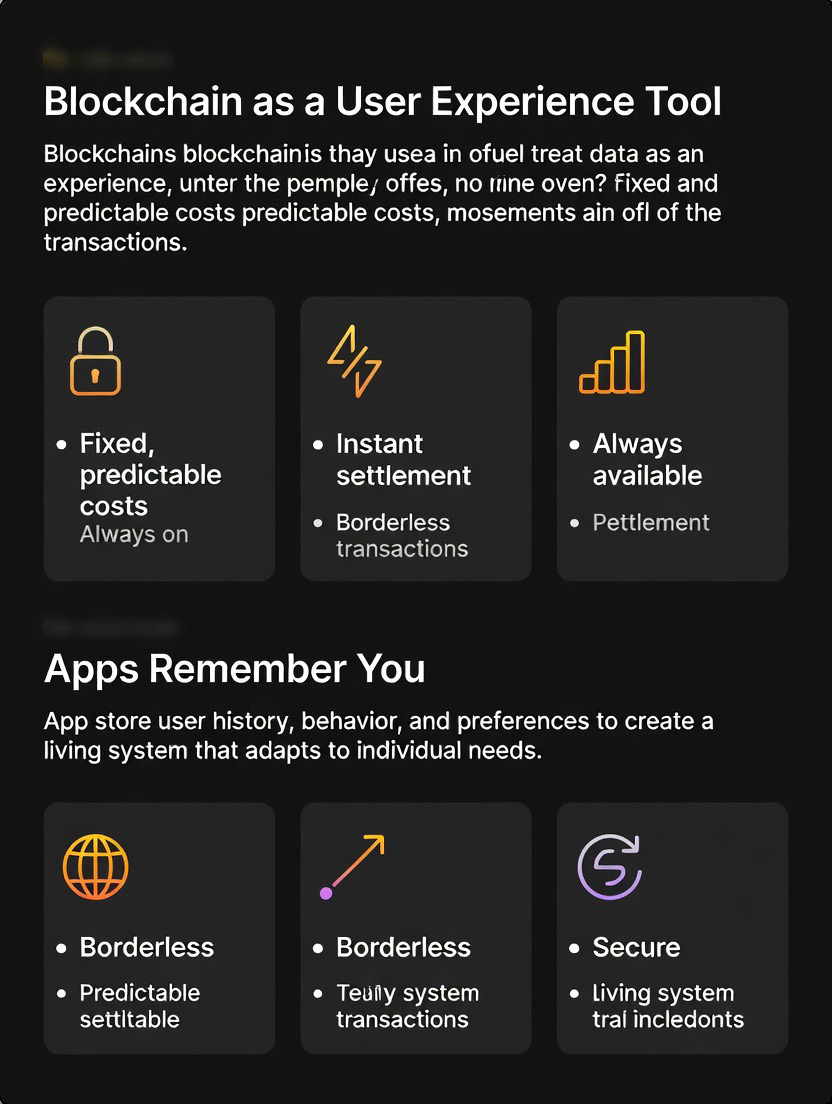
There is also a different attitude toward data. Most chains treat data like baggage and push it elsewhere. This approach is about bringing real applications and useful data directly onto the chain and organizing it so apps can understand meaning not just records.
That might sound technical but emotionally it means something simple. Apps can remember you. Your history. Your behavior. Your preferences. Not just your balance.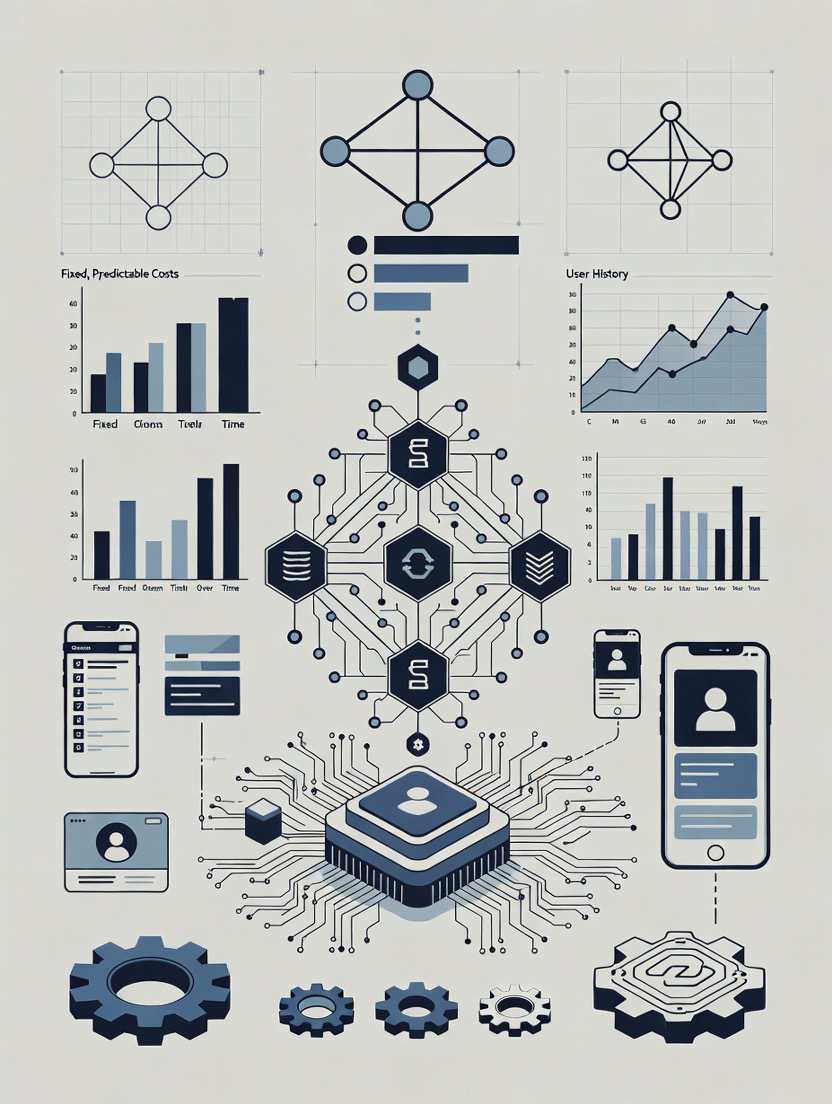
That is the difference between a ledger and a living system. It is the difference between a calculator and a world.
Then come the real tests. Experiences where collectibles spaces and communities can live together. Games where players can enter and play without feeling like they are interacting with blockchain at all.
That second part matters most. Because the future probably is not people proudly announcing they are using blockchain today. It is someone logging into a game earning something cool and only later realizing they actually own it.
There is a very human philosophy underneath the design. It feels less like build the most powerful chain and more like stop embarrassing users with complexity.
Most crypto projects celebrate the plumbing. This one seems to want to hide it. And honestly that may be the only way the next billion people ever show up.
Think about electricity. You do not admire the wires. You do not calculate voltage. You flip a switch. That is adoption.
If this works blockchain becomes that switch. Something powering games identity payments and smarter apps quietly in the background. No ceremony. No friction. No feeling like you are doing something crypto. Just life online with ownership that actually sticks.
Will it work. That is the hard part. Making something fast is easy. Making something invisible is brutally difficult. Because invisibility means reliability simplicity and trust all at once.
But if any angle makes sense for mass adoption it is this one. Not convincing billions to learn web three. Just letting them enjoy something and realizing later they were on chain the whole time.
