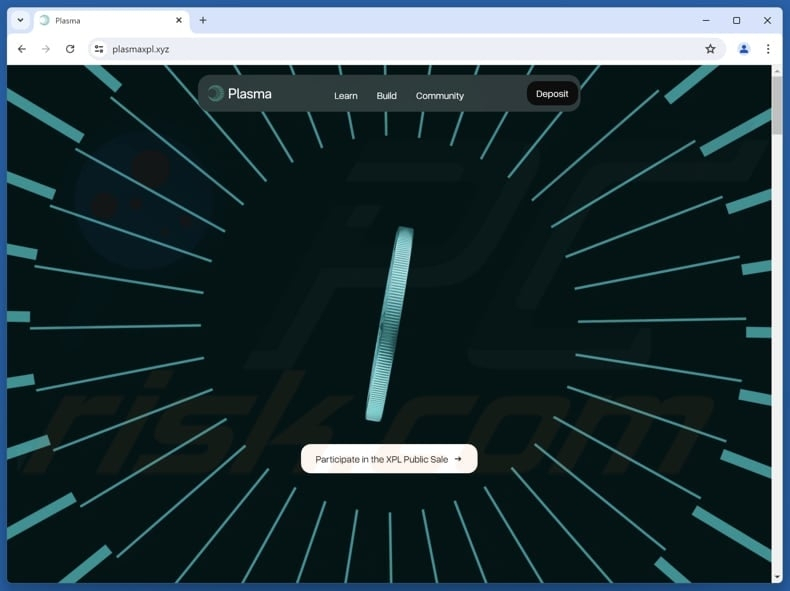
Scam websites are becoming more sophisticated, especially in the crypto space where new projects like Plasma (XPL) attract attention quickly. Fake pages often look almost identical to official platforms, making it easy for users to fall into traps. Knowing how to identify these scams can protect your funds, data, and digital identity. Here’s how you can spot fake Plasma (XPL) sites and similar crypto scams before it’s too late.
First, always verify the official domain name. Scammers commonly create websites with slight spelling changes or extra characters—for example, “plasrna” instead of “plasma,” or adding words like “official,” “bonus,” or “airdrop.” Before connecting your wallet or entering any personal information, double-check the URL from trusted sources such as the project’s verified social media accounts or official documentation. Bookmark the legitimate site so you don’t accidentally click on a fake link later.
Second, analyze the website design and content quality. Many scam pages copy real designs but often contain small mistakes like broken links, outdated information, grammatical errors, or missing sections. If something feels rushed or inconsistent—such as low-quality images or incomplete project details—it’s worth investigating further. Legitimate crypto projects usually maintain professional, detailed websites with transparent team and roadmap information.
Third, be cautious with wallet connection requests. Fake Plasma (XPL) pages may push users to connect their wallets immediately, promising exclusive rewards, staking bonuses, or early access to tokens. A real project rarely forces urgent actions or uses aggressive pop-ups. If a site asks for private keys or seed phrases, that is an immediate red flag—no legitimate platform will ever request them.
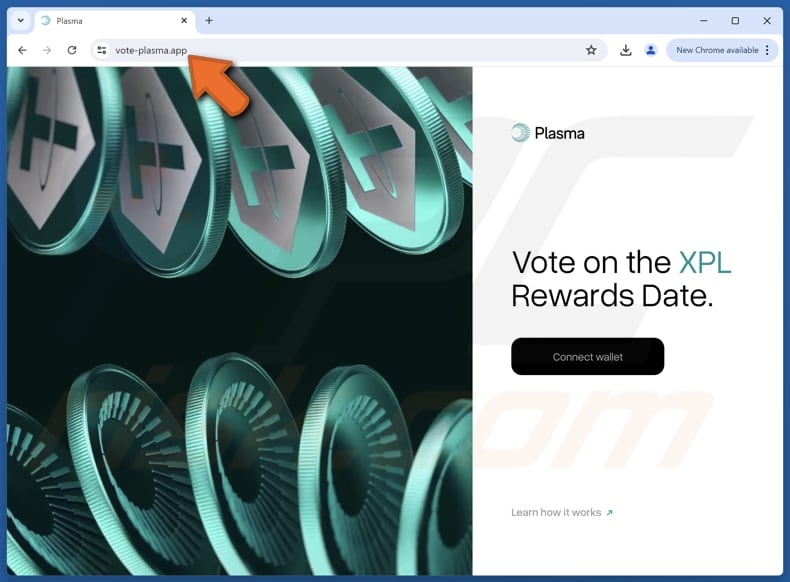
Fourth, check the project’s social proof and community channels. Visit official Twitter/X, Telegram, or Discord pages and compare links provided there with the website you’re visiting. Look for verified badges and consistent branding. Scam sites often rely on fake social media accounts with low engagement, recent creation dates, or suspicious follower activity.
Another useful step is reviewing security indicators and third-party validation. Look for HTTPS encryption, but don’t rely on it alone—scammers can use secure certificates too. Instead, search for independent reviews, blockchain explorers, or trusted crypto communities discussing the site. If multiple users report phishing attempts or lost funds, stay away.
Finally, trust your instincts when encountering pressure tactics. Scam pages often create fake urgency—limited-time airdrops, countdown timers, or “exclusive” investment opportunities. These tactics are designed to push you into acting quickly without verifying authenticity. Taking a few extra minutes to research can save you from losing assets.
In the fast-moving crypto world, vigilance is your best defense. Always confirm links through official channels, avoid sharing sensitive wallet data, and stay skeptical of offers that seem too good to be true. By following these steps, you can safely navigate the Plasma (XPL) ecosystem and avoid falling victim to fake websites and phishing schemes.