
For years, blockchain has promised to revolutionize industries — from finance and gaming to supply chains and digital ownership. Yet one of the biggest barriers to mainstream adoption has been complexity. Wallets, gas fees, slow transactions, and fragmented ecosystems often make blockchain feel like a technology built only for crypto enthusiasts rather than everyday users. Vanar is working to change that narrative by transforming blockchain into something users don’t need to think about at all: invisible infrastructure quietly powering modern digital experiences.
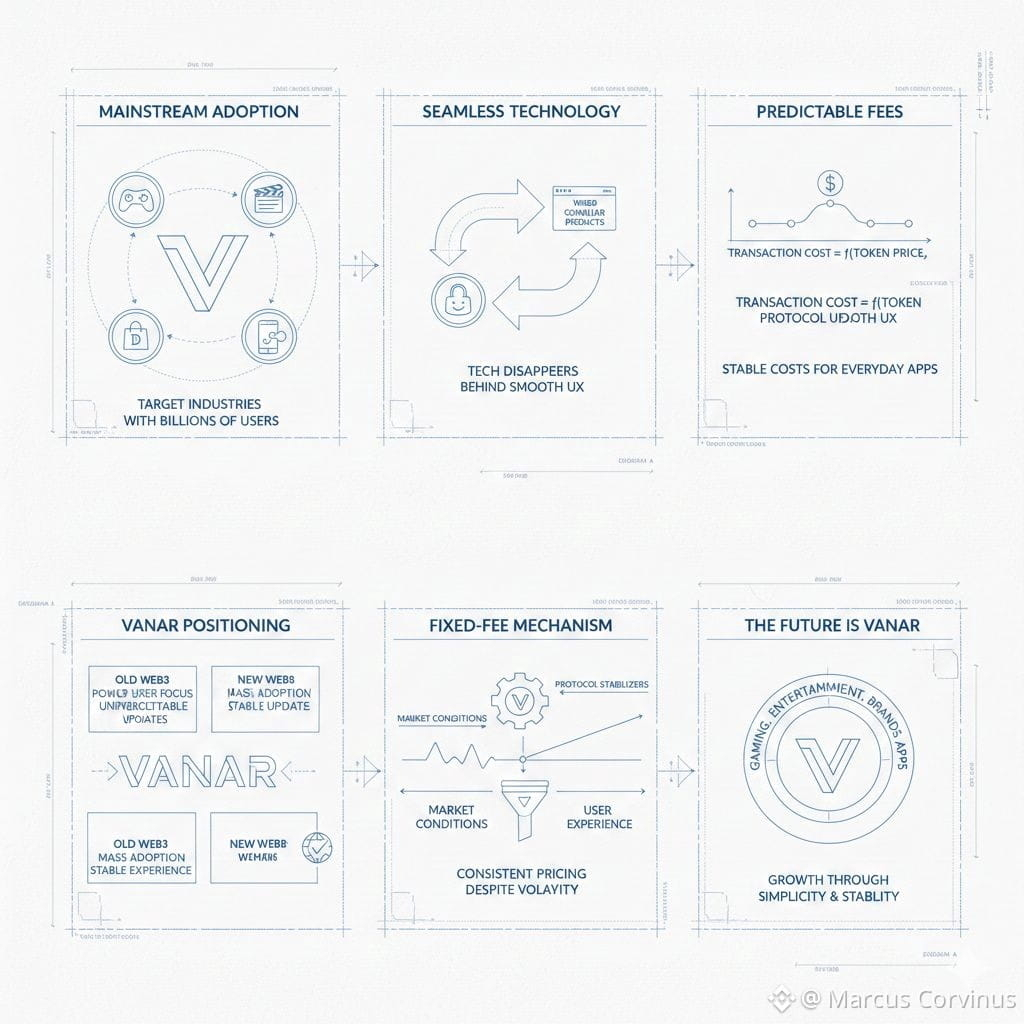
The concept of invisible infrastructure is simple but powerful. Just like most people use the internet without understanding TCP/IP protocols or server architecture, Vanar aims to make blockchain operate behind the scenes. Users should be able to play games, access digital services, or engage with online economies without needing to learn technical jargon or manage complicated processes. By abstracting away complexity, Vanar is positioning blockchain as a seamless technology layer rather than a visible hurdle.
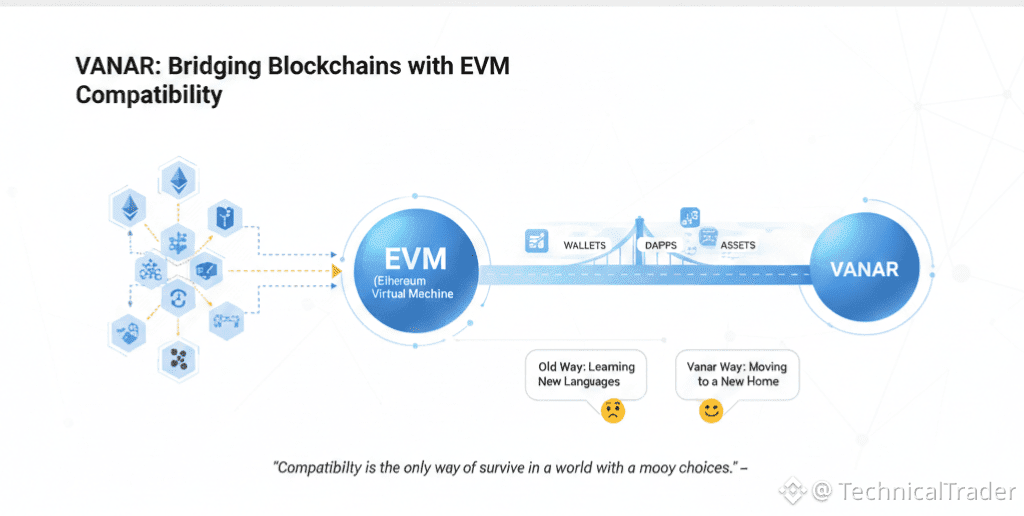
A major focus of Vanar’s approach is developer usability. Instead of forcing builders to reinvent systems or struggle with fragmented tools, Vanar provides integrated frameworks that make it easier to create applications that feel familiar to mainstream audiences. Developers can integrate blockchain features such as asset ownership, payments, and identity management directly into their apps without overwhelming users. This reduces friction and accelerates the development of products that feel more like traditional Web2 platforms while still benefiting from decentralization.
Gaming is one of the sectors where Vanar’s invisible infrastructure model shines. Traditional blockchain games often require players to set up wallets, manage tokens, and understand complicated mechanics before they can even start playing. Vanar focuses on creating backend systems that handle these processes automatically. Players can jump into immersive digital worlds without realizing blockchain is running underneath. Ownership of in-game assets, secure transactions, and decentralized economies become natural parts of gameplay instead of technical obstacles.
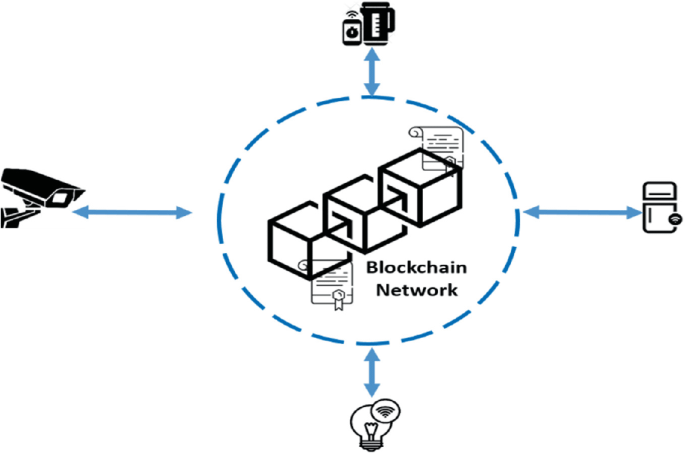
Artificial intelligence is another area where Vanar is pushing innovation. As AI becomes increasingly integrated into apps and digital experiences, blockchain can help manage data ownership, verification, and monetization. Vanar’s infrastructure allows AI-powered platforms to run transparently and securely without exposing users to technical complexity. The goal is to create intelligent digital environments where automation and decentralization coexist smoothly, enabling new types of applications that feel intuitive while remaining trustworthy.
The metaverse and immersive experiences also benefit from invisible blockchain infrastructure. Digital worlds require secure asset ownership, identity verification, and scalable transaction systems — all areas where blockchain excels. However, if users must constantly interact with complicated interfaces, adoption slows. Vanar focuses on building the backend systems that allow creators to design immersive environments where blockchain features exist quietly in the background. Users can explore, trade, and interact freely without needing to understand the underlying technology.
A key component supporting this ecosystem is the $VANRY token. Rather than being a speculative add-on, the token functions as a utility mechanism within the network. It helps power transactions, incentivize participation, and enable decentralized applications to operate efficiently. As more products and services integrate with Vanar’s infrastructure, $VANRY becomes a foundational element supporting economic activity across the ecosystem. However, the emphasis remains on utility rather than visibility — users may interact with the ecosystem without directly managing tokens themselves.
Scalability and performance are also central to Vanar’s mission. For blockchain to become invisible infrastructure, it must operate quickly and efficiently. Slow transaction times or expensive fees can quickly break the illusion of seamless digital experiences. Vanar focuses on building systems capable of handling high volumes of activity while maintaining low costs and smooth performance. This makes it easier for developers to create mainstream-ready products that can support large user bases without sacrificing speed or usability.
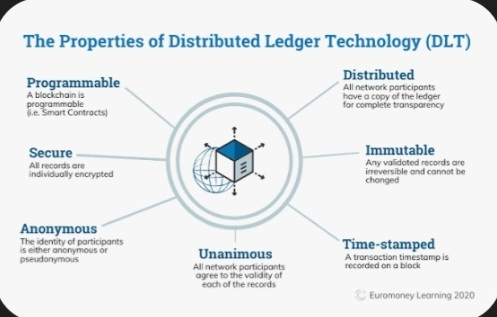
Security remains another major advantage of blockchain technology, and Vanar integrates it in a way that enhances trust without complicating user experiences. Digital ownership, transparent records, and decentralized verification systems provide strong protections against fraud or manipulation. By embedding these features behind the scenes, Vanar enables applications to deliver secure environments without forcing users to understand the technical mechanisms at work.
Beyond technology, Vanar’s strategy reflects a broader shift in how blockchain is perceived. Early blockchain adoption often revolved around financial speculation or niche communities. Today, the focus is increasingly on practical applications and real-world usability. By prioritizing invisible infrastructure, Vanar aligns itself with the next phase of blockchain evolution — one where the technology fades into the background and the user experience takes center stage.
This approach also opens doors for businesses that may have previously been hesitant to explore blockchain integration. Companies can incorporate decentralized features into their products without dramatically altering user interfaces or workflows. This reduces risk and encourages experimentation, potentially accelerating the adoption of blockchain-powered services across multiple industries.
Looking ahead, the success of invisible blockchain infrastructure will depend on continued collaboration between developers, creators, and businesses. Vanar’s focus on accessible tools and scalable systems positions it as a platform capable of supporting this collaborative ecosystem. As more projects build on its infrastructure, the technology’s presence becomes less obvious — and more powerful.
Ultimately, Vanar’s vision represents a shift from blockchain as a visible novelty to blockchain as a silent enabler of modern digital life. By removing barriers, simplifying development, and focusing on real-world usability, Vanar is helping transform decentralized technology into something everyday users can benefit from without even realizing it. In a future where immersive experiences, AI-driven applications, and digital economies become increasingly common, invisible infrastructure may be the key to making blockchain truly mainstream — and Vanar is quietly building the foundation for that reality.
