
The first cryptocurrency faced renewed macroeconomic pressure following the publication of a fresh employment report in the USA. The data indicated a stronger labor market than analysts had expected. This led to a rise in Treasury bond yields and a decrease in the likelihood of a swift easing of policy by the Federal Reserve (Fed).
The U.S. economy created 130,000 new jobs in January. This figure nearly doubled the consensus forecasts of experts. At the same time, the unemployment rate fell to 4.3%. This dynamic indicates the ongoing resilience of the labor market.
Strong statistics delay rate expectations
Market participants were counting on a potential rate cut in the coming months. Investors were concerned about slowing economic growth. Nevertheless, a resilient labor market reduces the urgency for monetary policy easing.
Consequently, investors have revised their expectations regarding regulatory actions. Debt markets reacted instantly. The yield on 10-year U.S. Treasury bonds soared to 4.2%. The figure rose by several basis points immediately after the report was released. The yield on two-year bonds also went up, reflecting a decrease in the likelihood of imminent rate changes.
Higher yield figures tighten financial conditions. They increase borrowing costs across the economy. Additionally, the discount rate used to value risky assets is rising.
Why rising yields put pressure on prices
$BTC is highly sensitive to liquidity conditions. When Treasury yields rise, capital typically flows into safer assets. Investors prefer government bonds that start to provide guaranteed returns.
Alongside this, rising yields are often accompanied by a strengthening dollar. A stronger U.S. national currency reduces global liquidity. As a result, speculative assets become less attractive for investment.
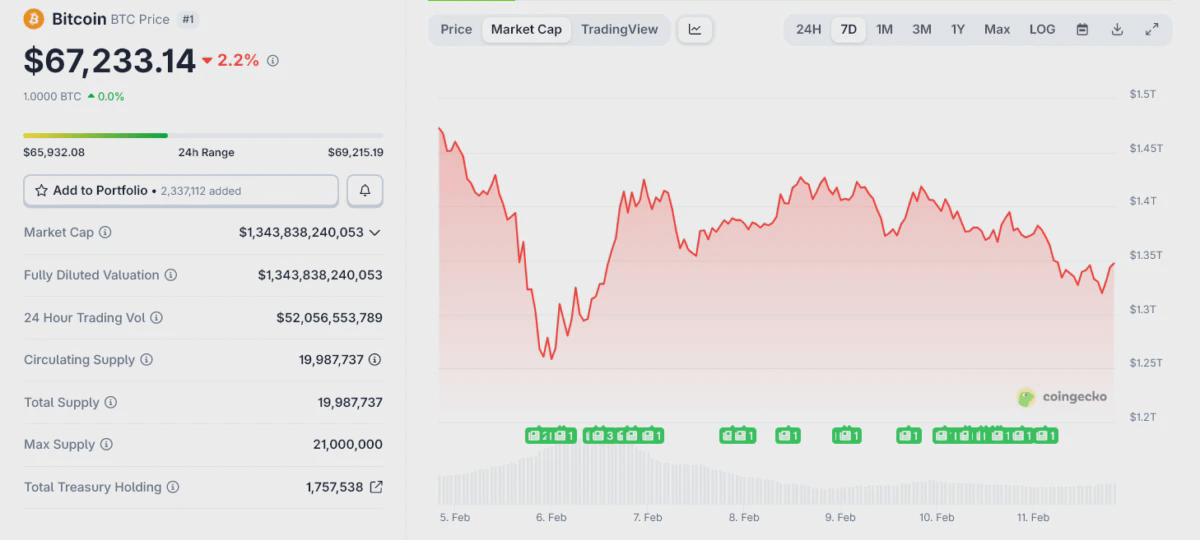
Such a combination of factors creates a headwind for cryptocurrency markets. Earlier this week, Bitcoin stabilized briefly around the $70,000 level. However, new employment data raises the risk of renewed volatility. Liquidity will remain limited without a clear signal from the Fed about easing policy.
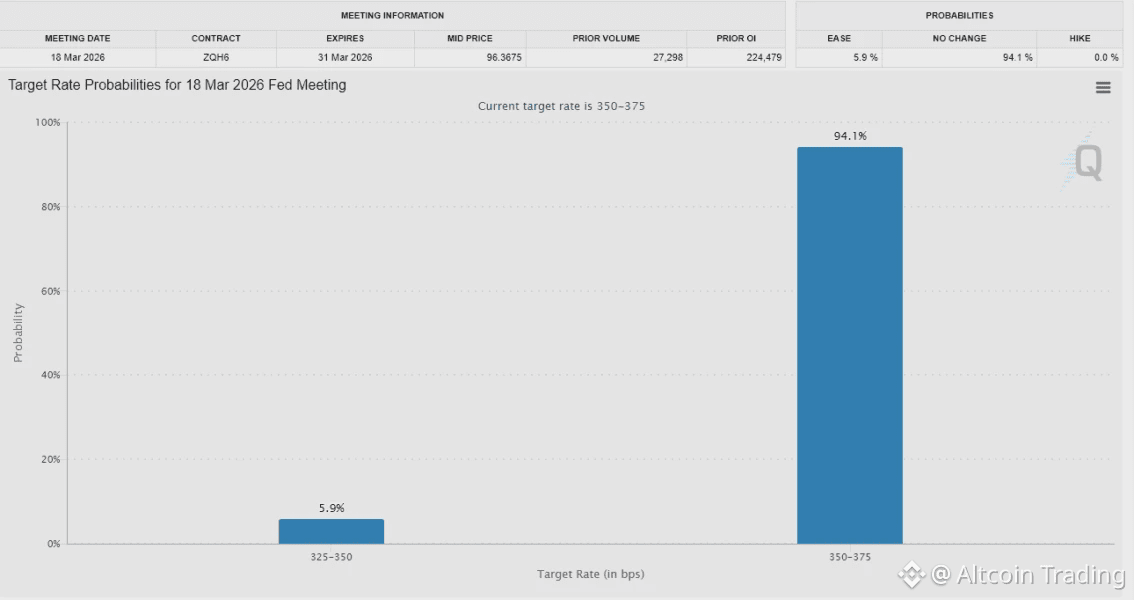
David Hernandez, a crypto investment specialist at 21Shares, commented on the situation for BeInCrypto. According to him, this report creates short-term hurdles for Bitcoin. Exceeding forecasts of such magnitude reduces the likelihood of a rate cut in March. This reinforces the Fed's pause scenario in the 3.50–3.75% range.
The expert added that the catalyst in the form of cheap money, necessary for risky assets to recover sustainably, is being pushed to a later date. Hernandez expects the dollar to strengthen and yields to be repriced upwards. Both of these factors will keep BTC's price in a narrow range for the near future.
The market structure amplifies macroeconomic stress
The recent decline has shown how much Bitcoin has become dependent on macroeconomic changes. Large flows into ETFs, institutional hedging, and leveraged trading can sharply amplify market movements amid tightening financial conditions.
Strengthening labor market does not mean that Bitcoin will necessarily become cheaper. But it removes one of the main drivers of growth — expectations of more accommodative monetary policy.
"In the near term, Bitcoin looks restrained. The main mark is $65,000. If the report's outcome turns out to be temporary and the economy does not start to accelerate, the Fed may subsequently have a reason to lower rates. When this happens, Bitcoin's limited supply will play a key role again. Today's strong data may delay growth but does not negate the long-term positive scenario," Hernandez believes.
Conclusions and key findings
The fresh labor market report in the U.S. strengthened expectations for a prolonged period of high rates.
For Bitcoin, this is not deadly — it just limits the potential for sustainable growth.
Until liquidity improves or yields decrease, the overall macroeconomic environment becomes more cautious rather than supportive for the crypto market.
