Let me talk to you straight about something a lot of us in the community have been watching closely lately, Plasma, its native token XPL, and how this whole ecosystem has been shaping up since launch. I’m going to give you a detailed take on everything that matters right now, the tech, the progress, the bumps in the road, the opportunities, and where I think this story could be heading. No AI fluff patterns, just the latest collective picture from recent developments and what it all means for us.
When Plasma first entered the scene, it wasn’t just another blockchain project trying to be cool. The vision was bold and narrow: build infrastructure for stablecoins that actually solves real problems in how money moves onchain. That mission making stablecoins fast, cheap, and deeply useful, is still at the heart of everything Plasma and XPL are trying to build.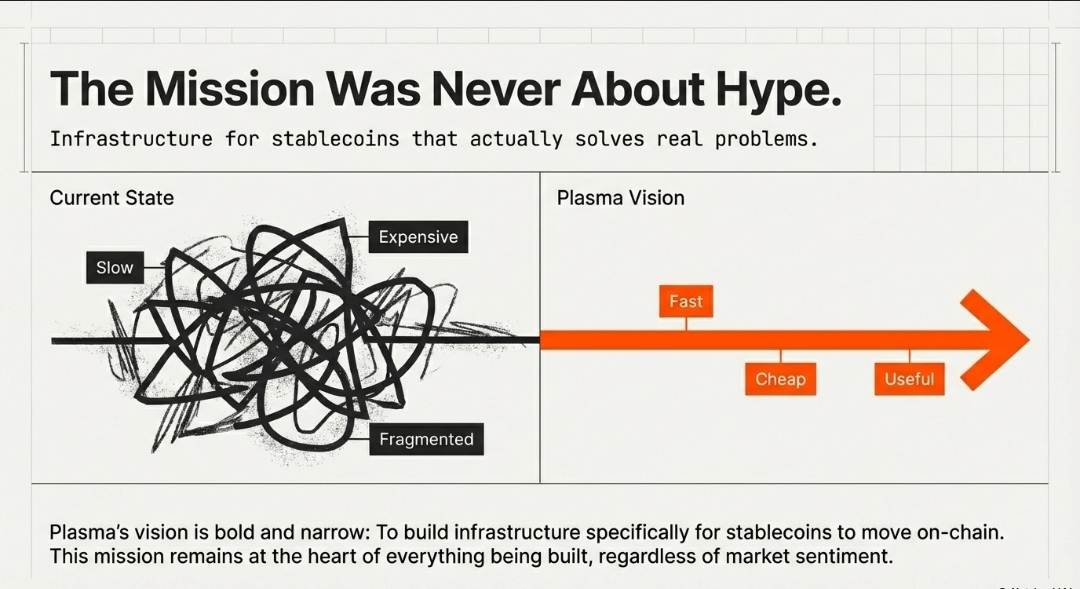
Let’s unpack why that matters.
The Launch and the First Big Break
Back in September 2025, Plasma officially launched its mainnet beta with the XPL token going live at the same time. That was a massive milestone. Right out of the gate, the network opened with huge stablecoin liquidity, over two billion dollars worth of stable assets plugged into the ecosystem through integrations with major DeFi partners across the space.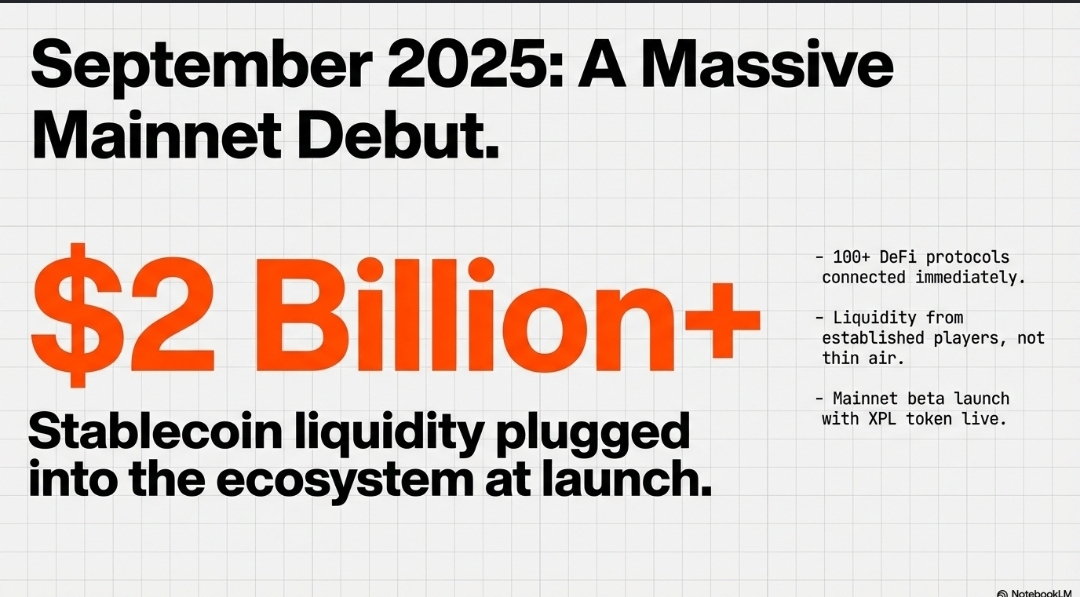
This wasn’t symbolic liquidity, it was real, coming from established players who committed capital so that users could already begin doing real DeFi activities from day one. More than 100 DeFi protocols were already connected, showing that Plasma’s approach was resonating with developers and liquidity providers alike.
What made this launch compelling was not just the number, it was the immediate functionality. People could move stablecoins instantly, with zero fees on certain transactions and deep liquidity available for borrowing, lending, and payments without having to jump through hoops. That’s a big deal.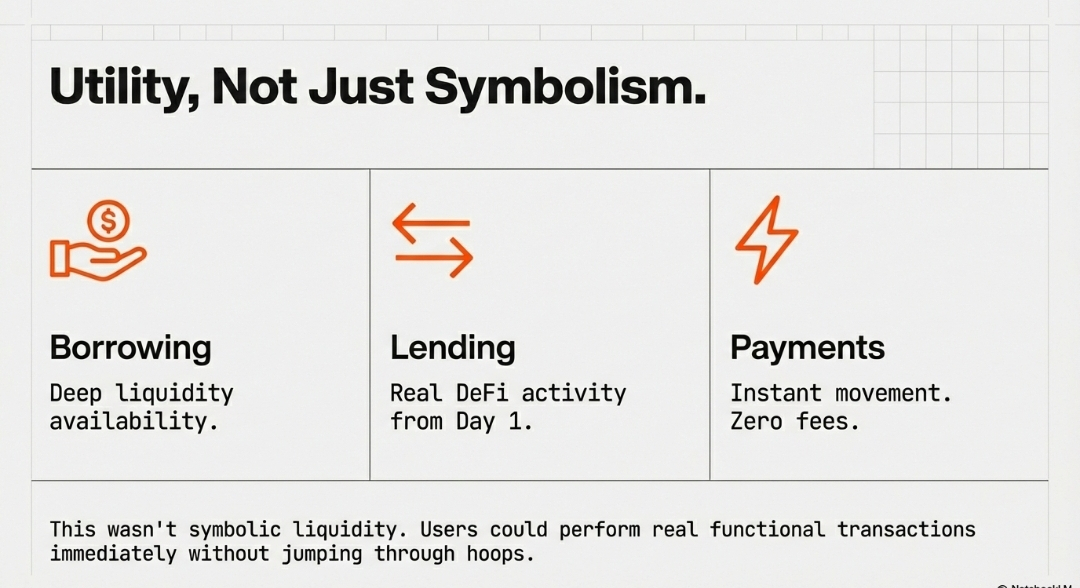
XPL Token: More Than Just a Logo
Now let’s talk about the XPL token itself. This token is not a flyer token. It has a clear utility in the Plasma ecosystem. XPL:
• Secures the network through staking
• Powers decentralized governance where holders can vote on upgrades
• Acts as the currency for fees, rewards, and incentives
• Helps bootstrap liquidity and growth campaigns on the chain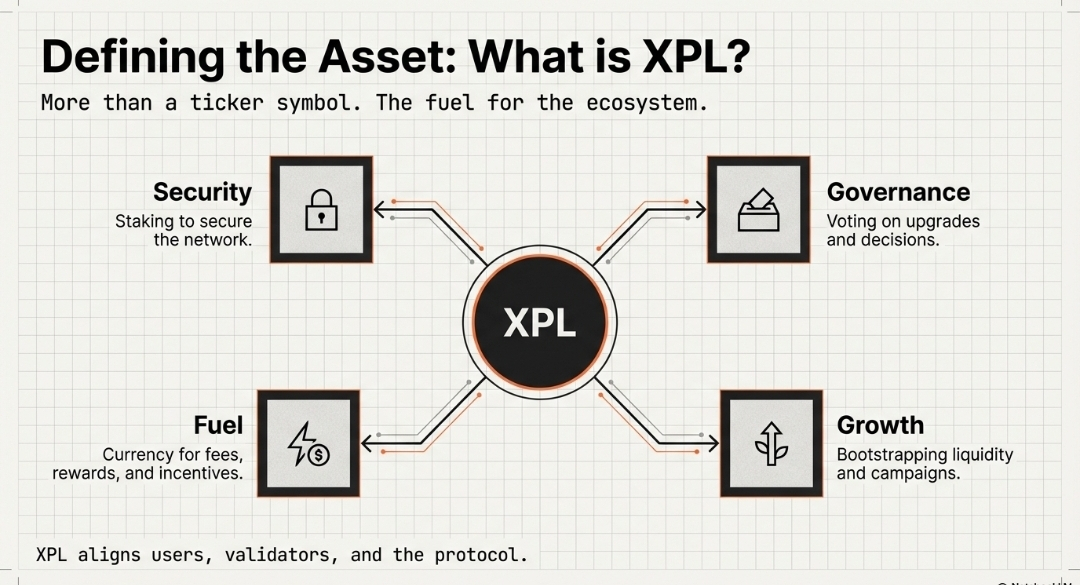
All of this means that XPL is at the core of the system, it’s how the chain grows, how decisions are made, and how users and validators are aligned.
From the tokenomics side, about 10% of the total supply was allocated to the public sale, with a larger chunk reserved for ecosystem growth initiatives, team incentives, and strategic partnerships. These schedules are designed to balance long-term development with community participation.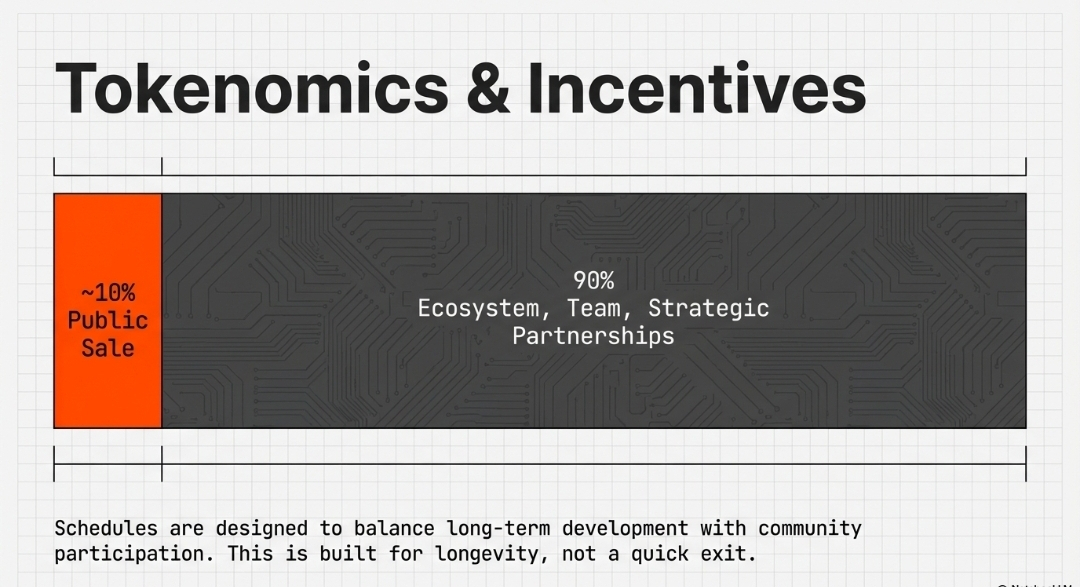
A Rollercoaster Debut in Markets
If we’re honest, the market narrative around XPL has been a wild ride. The token saw insane early valuations in pre-market trading, with fully diluted figures pushing into multi-billion dollar territory well beyond initial sale prices. That attracted a lot of attention, and trading volume, on platforms that opened pre-listing markets.
But that excitement came with turbulence. Shortly after launch, XPL experienced sharp price volatility, and at one point its price had a significant retracement from early highs. That doesn’t automatically mean the project failed. It means markets are pricing risk, speculation, sentiment, and reality all at once. Crypto markets tend to be emotional, especially around new layer 1 launches, and prices don’t always reflect fundamentals in the short term.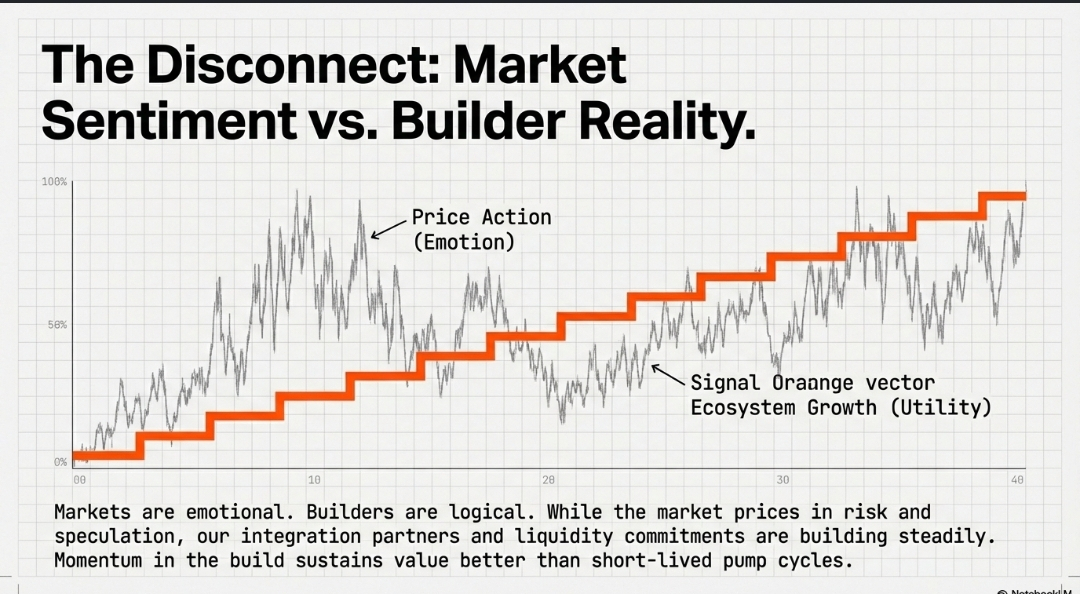
What I’ve been watching closely is that while price action fluctuates, the underlying ecosystem activity integration partners, liquidity commitments, network usage continues building steadily. That momentum is what sustains long-term value better than short-lived pump cycles.
Not All Smooth Sailing: Challenges on the Path
Let’s call this what it is. Plasma is still early. There are real tests ahead:
• Sustainability of the zero-fee model. Free transfers are amazing for users, but as the network scales, how Plasma keeps that sustainable without bottlenecks or hidden costs remains a live question.
• Market competition. Ethereum, Solana, and other ecosystems are not idle. They’re improving stablecoin throughput, layering rollups, optimizing fees, meaning Plasma has to maintain differentiated value, not just hype.
• Regulatory scrutiny. Stablecoins are under a spotlight worldwide right now. Any infrastructure that touches massive dollars in stable assets is going to face regulatory conversations, especially as it expands into payments and on-ramps.
• User adoption vs hype adoption. We want real people sending USDT for everyday use, not just bots chasing price moves.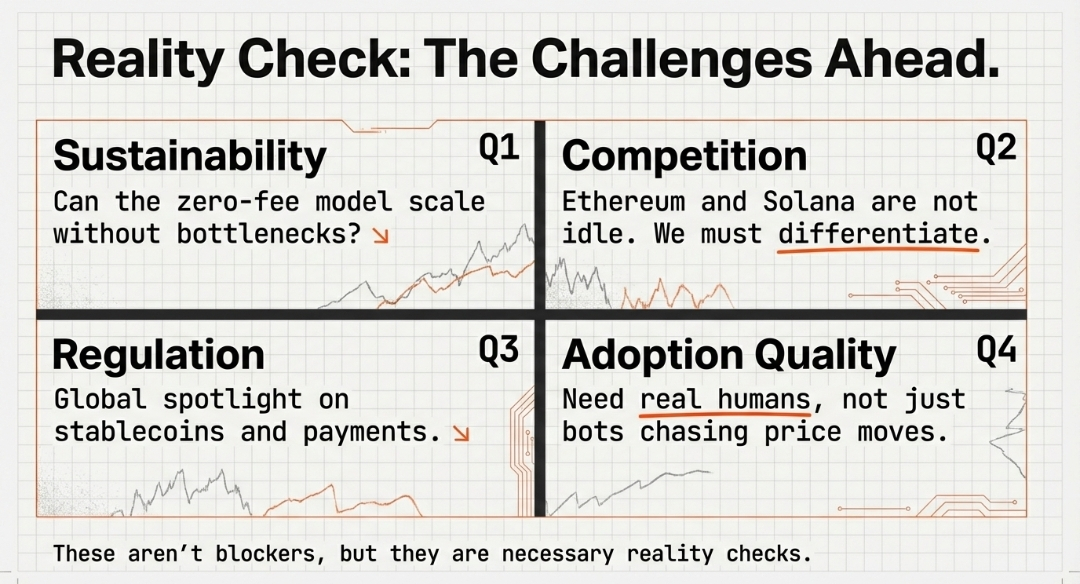
These aren’t “blockers” but they are reality checks. Projects often get too caught up in hype and forget the hard parts like ensuring resilience, developer growth, real user flows, and sustainable economics.
Big Wins We Can’t Ignore
Despite the challenges, there are some undeniable achievements:
1. Deep liquidity from day one. Two billion in stablecoins wasn’t a promise it was deployed at launch, allowing real financial activity instantly.
2. Strong ecosystem backing. You don’t see Founders Fund, Framework, Bitfinex, and other strategic backers on just any project. Their involvement carries credibility and resources that enable bigger integration opportunities.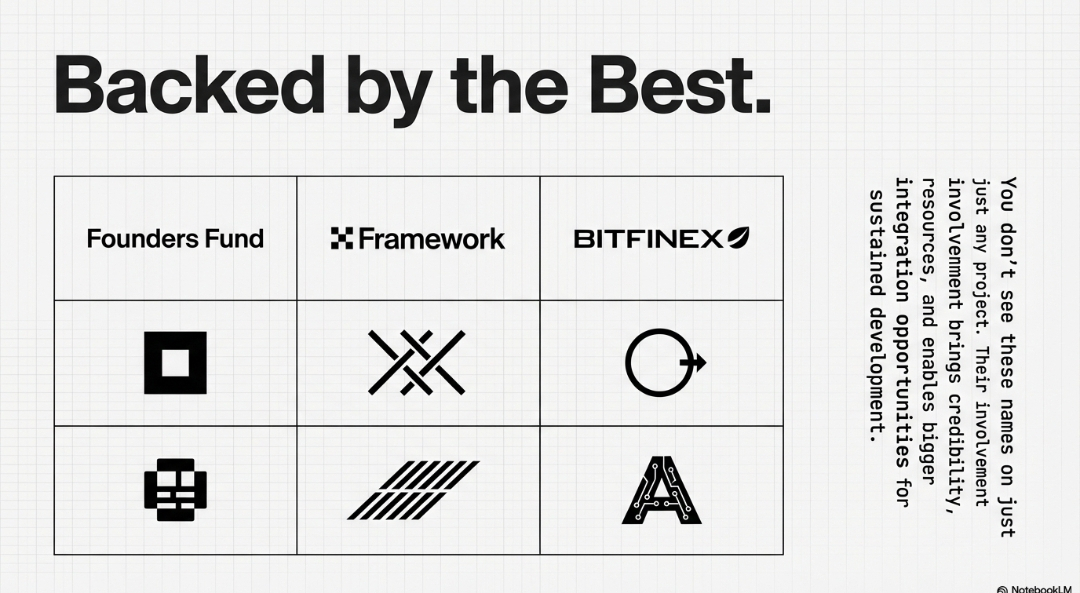
3. Developer-friendly infrastructure. Plasma is EVM compatible with robust APIs and SDK tools that make it easy for developers to build on top of it. That means the ecosystem around XPL isn’t limited to one product others can plug in, innovate, and expand usage.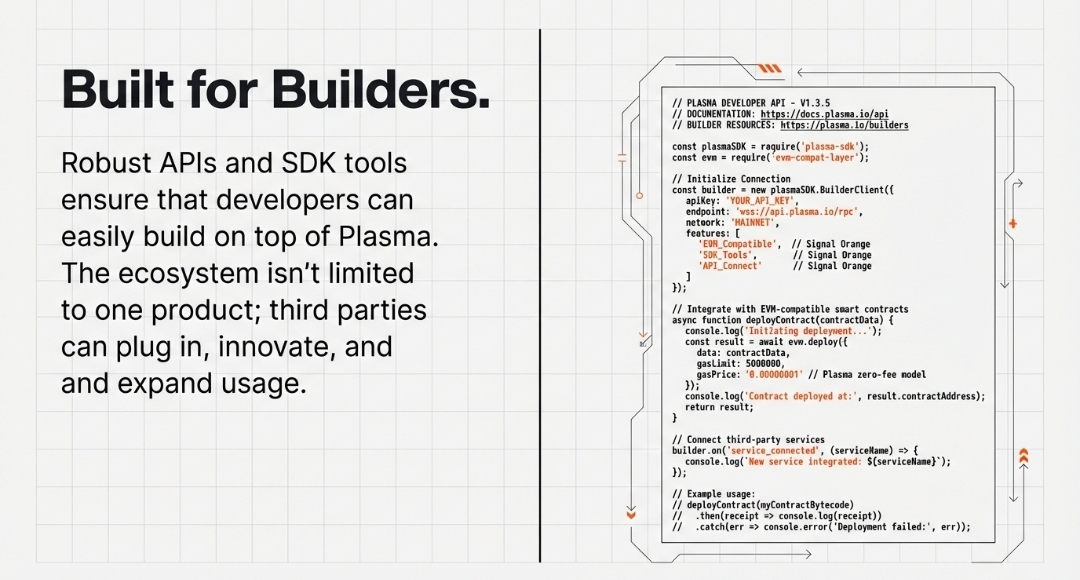
4. Real utility features like Plasma One. This neobank-style app lets users spend stablecoins in real life with rewards. Use cases like that move Plasma from “crypto playground” to “real payment utility.”
Where This Story Is Headed
If you ask me, XPL and Plasma Finance are entering a phase where we separate speculation from utility. We’ve seen the fireworks. Now we’re in the building phase. Here’s what I’m watching and what you should too:
• Validator staking and delegation expansion. As more validators come online and delegation opens up fully, network decentralization will strengthen, and token demand could stabilize.
• Integrations beyond DeFi. Payments, remittances, merchant solutions, and real-world use cases are where Plasma can find lasting traction.
• Cross-chain expansions. Bridging stablecoins from other environments into Plasma seamlessly could drive more liquidity and activity.
• Governance taking shape. XPL holders participating meaningfully in protocol decisions will be a key signal of community ownership.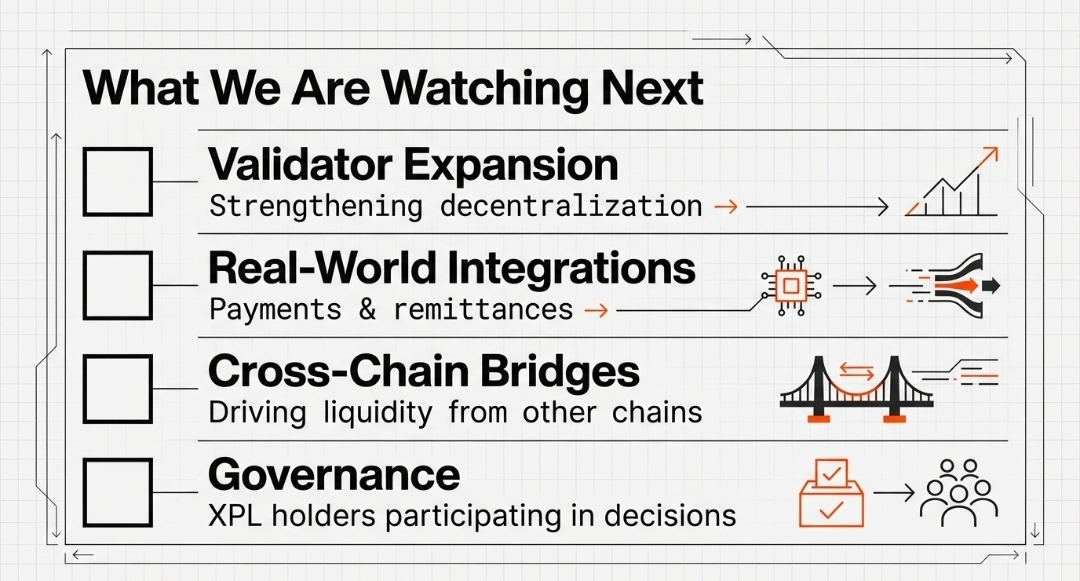
All of these developments matter more than daily price charts.
Final Words for Our Community
I know there’s been noise, volatility, and strong opinions flying around about XPL. That’s typical with big launches. But let’s put the memes aside and look at what’s real: Plasma is building infrastructure with clear purpose, deep liquidity, technical innovation targeting stablecoins, and partners that want to see real adoption.
Where this goes next will depend on sustained execution, adoption beyond speculation, and how Plasma manages the challenges of scaling a financial infrastructure.
Keep asking questions, keep testing the tools, keep sharing feedback with developers, and keep an eye on real network growth indicators daily active users, integrated apps, validated staking, transactions outside hype moments. That’s where the long game is won.
Let’s stay grounded, informed, and engaged as this evolves. The next chapters of Plasma and XPL are still being written and we’re right here at the beginning of the story.