
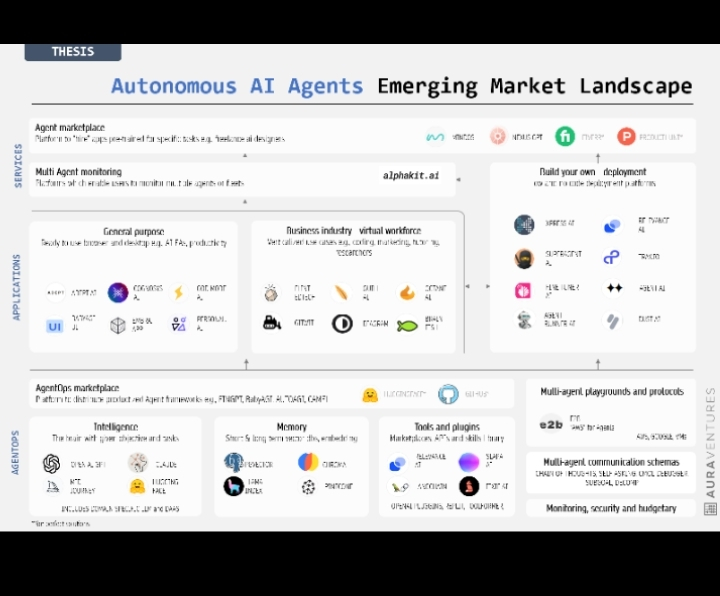
Last month, a friend of mine manages multiple automated storefronts inside an online gaming marketplace. He doesn’t manually update listings anymore. AI pricing tools adjust item values, inventory bots restock assets, and automated trading scripts respond to player demand in real time.
One night, the system froze for nearly eight minutes.
During that short interruption, several automated trades failed to execute, pricing mismatches appeared across marketplaces, and his AI pricing engine began generating conflicting signals. By the time the network stabilized, he had lost multiple high-value trades simply because transaction confirmation timing became unpredictable.
That experience made me realize something most people overlook.
Digital economies are no longer waiting for human users to manually approve every action. They are starting to operate continuously, like living economic systems.
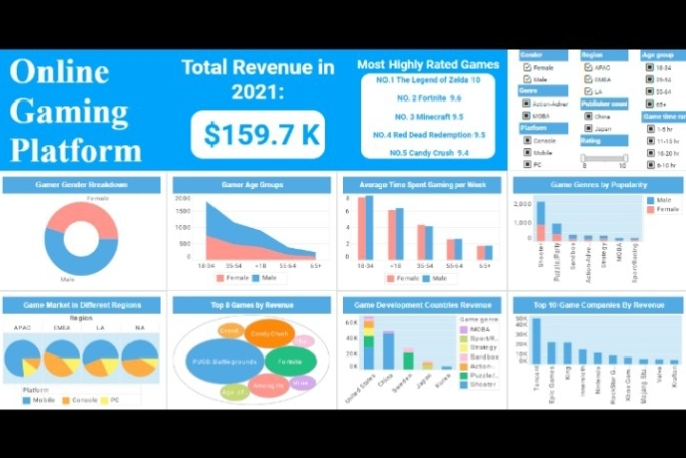
From my analysis, this is where Vanar begins exploring a different category of blockchain infrastructure.
The Structural Problem Behind Always-Active Digital Economies
Most blockchain networks are still designed around human-driven interaction cycles.
A user submits a transaction.
The network confirms it.
The system pauses until the next action occurs.
But AI-driven marketplaces, persistent gaming economies, and automated asset coordination environments do not operate in pauses. They function continuously.
When automated systems depend on networks designed for episodic human activity, several structural problems appear:
• Transaction sequencing conflicts between automated agents
• Liquidity imbalances caused by execution delays
• Economic systems reacting unpredictably to confirmation latency
• Asset ownership layers desynchronizing across platforms
These are not speed problems. They are coordination stability problems.
Why Predictable Interaction Timing Changes Everything
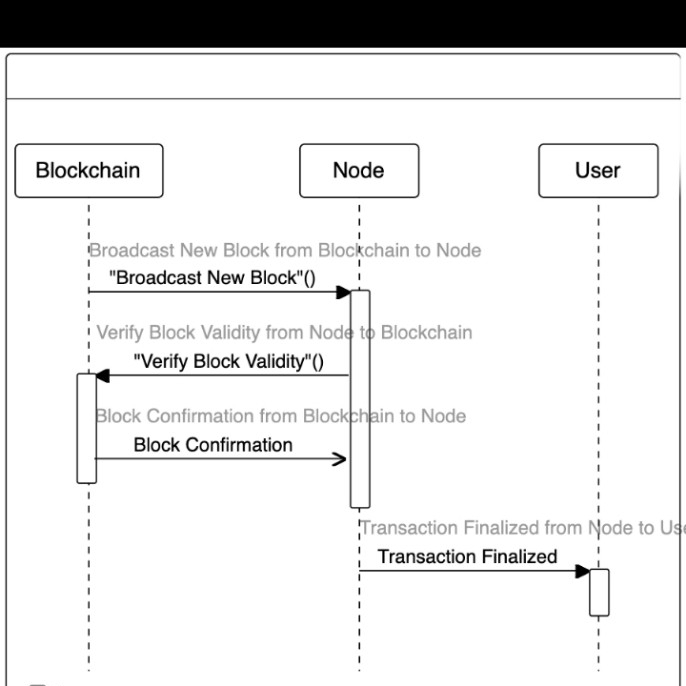
What stands out to me about Vanar is that its architecture appears to focus on predictable execution cadence rather than simply chasing maximum transaction throughput.
Vanar’s block production model creates consistent interaction windows. While speed metrics often dominate blockchain discussions, automated environments rely more heavily on timing reliability than raw performance numbers.
AI participants, automated gaming economies, and persistent asset management layers require stable execution environments to coordinate behavior effectively.
If transaction ordering becomes inconsistent, automated ecosystems can unintentionally create market volatility or execution failures. Vanar appears designed to reduce these interaction conflicts by maintaining structured sequencing across transactions.
The Hidden Economic Risk of Fee Volatility
Another structural weakness in autonomous digital systems is unpredictable transaction cost behavior.
Human users can tolerate fluctuating fees.
Automated systems cannot.
AI-driven economic models rely on stable cost forecasting to maintain operational balance. Sudden fee spikes can disrupt reward systems, automated trading logic, and continuous asset distribution layers.
From my perspective, Vanar’s stable fee modeling suggests a design philosophy centered around environmental reliability rather than transactional opportunism.
That shift may sound subtle, but it introduces infrastructure capable of supporting digital environments that function without economic interruption.
When Blockchain Stops Acting Like Transaction Infrastructure
What fascinates me most is how Vanar appears to reposition blockchain from transaction processing infrastructure toward environmental coordination infrastructure.
Instead of supporting isolated user actions, it supports continuous interaction ecosystems where automated participants coexist and operate simultaneously.
If AI agents, persistent digital ownership layers, and automated virtual economies continue expanding, networks optimized for uninterrupted coordination could become structurally necessary.
Vanar may not be attempting to become the fastest execution network in the industry.
From my analysis, it appears to be positioning itself as infrastructure designed to support digital environments that never pause, never reset, and never depend entirely on human interaction cycles.
And if digital societies continue evolving toward automation-driven economic activity, infrastructure built around coordination reliability may become more valuable than infrastructure focused purely on speed.
What I believe Vanar is quietly testing is whether blockchains can evolve from being reactionary systems into continuously synchronized economic environments.
That distinction matters more than it initially appears.
Reactionary systems wait for users to trigger activity. Coordinated environments maintain stability even when thousands of automated participants interact simultaneously. As AI agents begin handling trading, inventory distribution, content monetization, and asset management across multiple platforms, the margin for execution inconsistency becomes extremely small.
From my perspective, the next generation of blockchain competition may not revolve around who processes transactions faster. It may revolve around which networks can maintain stable economic environments when human supervision becomes optional rather than required.
Vanar’s focus on predictable sequencing, structured execution cadence, and stable fee behavior suggests an attempt to solve infrastructure problems that many networks have not yet fully acknowledged.
If automated digital economies continue expanding across gaming ecosystems, virtual commerce, and AI-managed financial environments, networks capable of maintaining uninterrupted operational stability could become foundational layers for the next phase of digital interaction.
I see Vanar not as a network trying to compete in today’s scalability narrative, but as a network experimenting with infrastructure designed for economic environments that operate continuously, adapt autonomously, and function without waiting for human coordination to keep them stable.
And if digital economies are truly moving toward always-active operational models, blockchains built for environmental synchronization may eventually define the reliability standards that future automated societies depend on. #vanar @Vanarchain $VANRY
