
Three months ago, I submitted a simple integration request to Stripe for a small PayFi prototype I was building nothing extravagant, just automated recurring settlements for tokenized real estate yields using on-chain agents. The first rejection came within days: "Insufficient business verification." I resubmitted with more docs. Second rejection: "High-risk category." Third time, after endless back-and-forth emails and uploaded proofs, silence turned into a final "declined" with no further explanation. I stared at the screen in disbelief not anger at Stripe exactly, but at how brittle the entire off-ramp system is. One centralized gatekeeper can halt months of work, freeze funds in limbo, and force you to start over with another provider, losing context, compliance history, and momentum along the way.

That rejection wasn't just a business setback; it exposed the raw vulnerability of relying on permissioned rails for anything autonomous and economic. Today's AI agents in DeFi and RWAs promise seamless, 24/7 execution yet they still beg for approval from legacy systems like Stripe, Visa, or banks that can revoke access without notice. The agent might reason flawlessly over market data, but when it tries to move real value off-chain or settle in fiat, it hits an invisible wall. No memory of prior approvals, no portable proof of legitimacy, no way to compound trust across providers. What should be a persistent workforce becomes a beggar at the door, reset every time the door slams shut.
The deeper frustration surfaces when you speak with developers actually deploying these agents. Ask builders using OpenClaw or similar frameworks what their biggest blocker is not model hallucinations or reasoning depth, but the lack of verifiable, portable execution history. Agents that perform beautifully in sandboxed demos fall apart in production because they can't prove past compliance, can't carry audit trails across sessions or chains, can't demonstrate reliability to skeptical counterparties. We flood the space with hype around "agentic economies" and "autonomous superintelligence," yet deliver cognitive downgrade: entertaining toys that dazzle briefly but can't survive real-world friction like payment gateway rejections or regulatory scrutiny. Continuity and verifiability aren't luxuries; they're the oxygen for agents to evolve from demos into economic actors.
Vanar Chain ($VANRY) never chased the spotlight with promises of replacing Stripe overnight or delivering AGI tomorrow. It simply set out to build the missing foundation: a place where agent compute and decisions can be verifiably executed, proven, and persisted on-chain independent of centralized chokepoints. As an AI-native Layer 1, Vanar embeds intelligence and verifiability at the protocol level. Neutron compresses complex documents compliance filings, transaction histories, KYC proofs into on-chain Seeds: tiny, ZK-verifiable objects that agents can reference without oracles or off-chain storage. These Seeds aren't just data; they're portable trust anchors.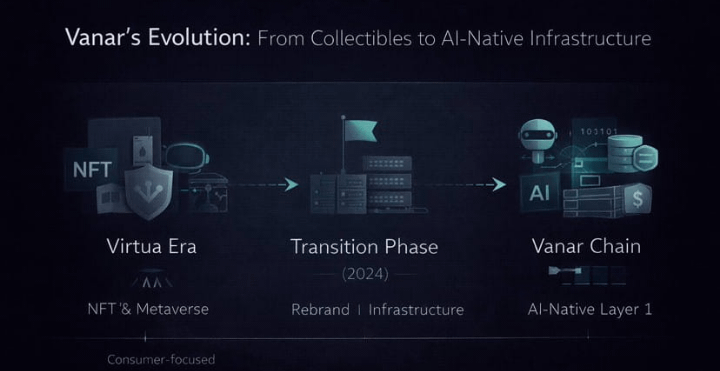
Kayon, the on-chain reasoning engine, lets smart contracts and agents query those Seeds natively, apply logic, validate conditions, and execute with cryptographic certainty no blind trust in external APIs. The recent Neutron integration into OpenClaw (rolled out in early February 2026) makes this practical: grab an API key, plug in the SDK, and agents suddenly carry verifiable execution history across restarts, deployments, even provider switches. Rejected by Stripe? The agent can prove its prior successful settlements, compliance adherence, and risk parameters via ZK proofs potentially opening doors with alternative rails or even enabling fully on-chain PayFi loops that bypass legacy gates altogether. This delivers compound intelligence: each verified action strengthens the next, turning one-off transactions into reliable, long-running workflows for DeFi automation, RWA provenance tracking, and continuous yield management.
Philosophically, this resonates on a human level. Progress has always required mechanisms to carry proof forward letters of recommendation, certification seals, notarized records that survive rejection or regime change. When those proofs are centralized and revocable, we stay fragile. Vanar treats agent experience like a craftsman respects his tools: embed the history immutably, make it verifiable without revelation, let every "rejection" or failure become a refined strength rather than erasure. In a cycle obsessed with novelty and speed, this direction quietly insists on something rarer: dignity through verifiability, resilience through proof.
The market, as of mid-February 2026, hasn't caught on yet. $VANRY lingers in the shadows low $0.00X territory, volume barely registering, charts lying flat like they've given up. No flashy campaigns, no endless narrative threads, no FOMO fireworks to rally retail. Confidence erodes when there's no dopamine drip of storytelling; it feels like slow, physiological torture for anyone holding through the quiet. The bear punishes substance over spectacle, rewarding those who sell dreams while infra builders endure the grind.
But this phase is where true value hardens. Pain-point solutions like Vanar's don't need hype to survive they accrue stickiness through usage. Once agents integrate Neutron Seeds for verifiable history or Kayon for on-chain reasoning, the path dependency is brutal: migrating means abandoning provable track records, restarting compliance proofs, losing compound advantages. Developer moats form not from marketing budgets but from real economic utility gas consumption, token burns via subscriptions, ecosystem lock-in. Bears refine; they torch the fluff and leave the tools that actually move value standing taller.
In 2026, whoever can make AI agents execute trustworthily verifiably, portably, without begging centralized permission will hold the ticket to the real agent economy. Vanar isn't selling revolution. It's forging the verifiable rails so agents can finally stand on their own when the old gates close.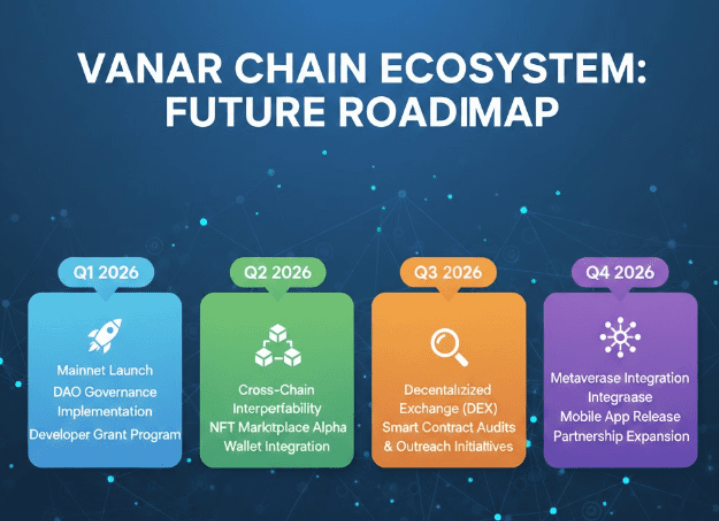
Have you hit similar walls with payment providers or compliance gates in your agent work? What would shift if execution history became truly portable and provable?
