


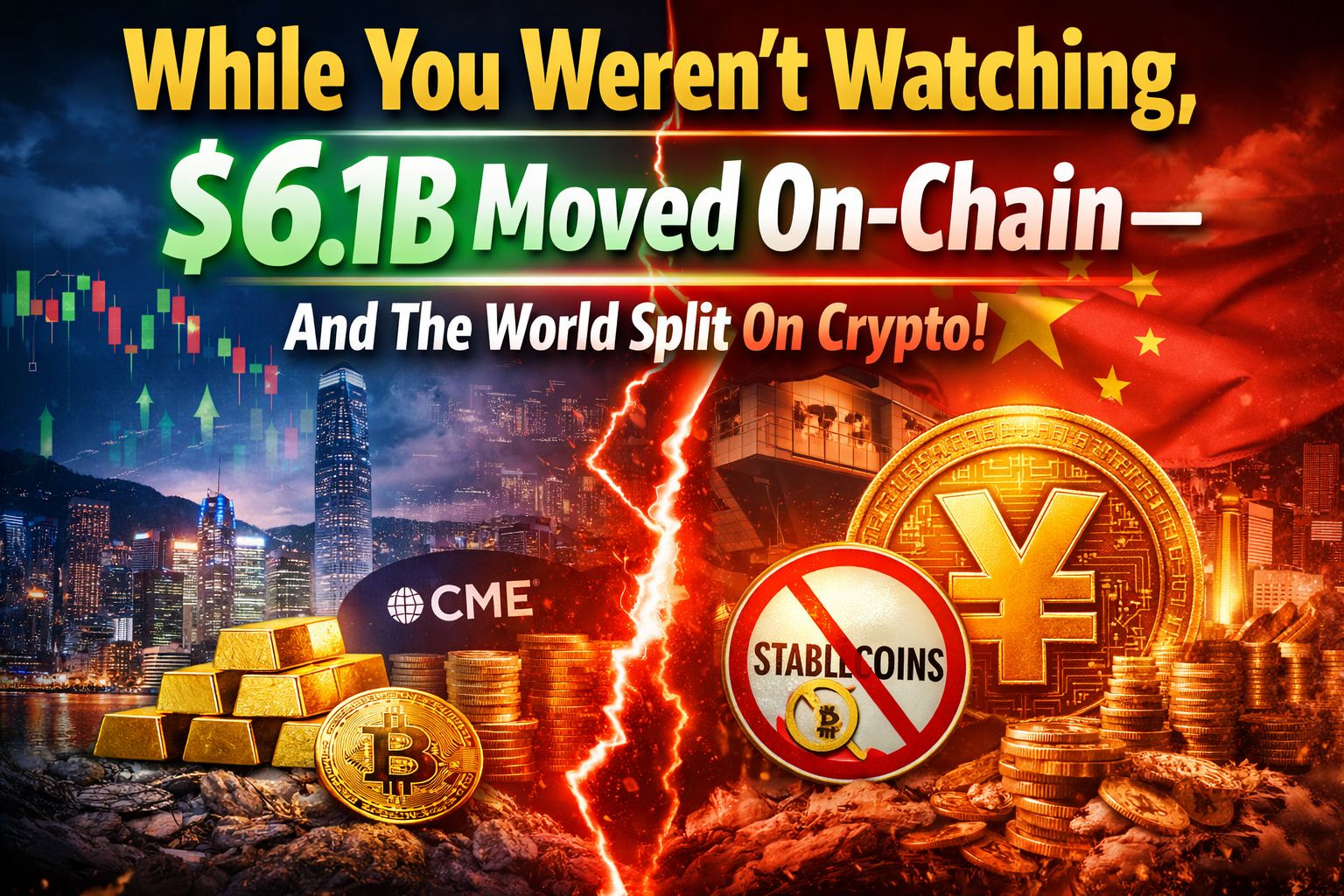
This week, the crypto industry witnessed a wave of regulatory moves, institutional experiments, and tokenization breakthroughs that could shape the next phase of global finance. But while billions flowed into on-chain assets, the world’s response to crypto adoption revealed a growing divide.
From Asia opening leverage to Wall Street building tokenized collateral—and China banning private stablecoins—the direction of crypto policy is becoming increasingly fragmented.
Here’s what happened.

Asia Opens the Door to Regulated Leverage
Hong Kong took a major step toward institutional crypto adoption. The city’s Securities and Futures Commission (SFC) approved margin financing and perpetual contracts for licensed crypto platforms.
The approval comes with strict guardrails:
Only Bitcoin and Ethereum qualify as collateral.
Access is limited to professional investors.
The move is part of Hong Kong’s broader ASPIRe regulatory roadmap.
Rather than allowing unrestricted trading, Hong Kong is positioning itself as a hub for regulated, institutional-grade crypto markets.

Wall Street Tests Its Own Tokens
As regulatory clarity improves, traditional finance is beginning to experiment with on-chain infrastructure.
CME Group CEO Terry Duffy confirmed the exchange is exploring the launch of its own token to serve as collateral across decentralized networks. The idea reflects a broader trend: large financial institutions issuing their own settlement tokens to move value more efficiently across markets.
If implemented, this could:
Connect traditional derivatives markets with DeFi rails.
Reduce settlement friction.
Create trusted, institution-backed digital collateral.
$1.2 Billion RWA Market Grows on Solana
Meanwhile, tokenized real-world assets (RWAs) are expanding on public blockchains.
Multiliquid and Metalayer Ventures launched instant redemption from tokenized RWAs into stablecoins on Solana. The initiative includes participation from major asset managers such as:
VanEck
Janus Henderson
Fasanara
Solana’s tokenized RWA ecosystem has now reached $1.2 billion, signaling growing institutional confidence in public-chain infrastructure.
Across the broader market, tokenized commodities alone surged to $6.1 billion, a 53% increase in just six weeks.
Robinhood and Franklin Templeton Push On-Chain Access
Institutional access to tokenized assets is also moving closer to everyday users.
Robinhood launched an Ethereum Layer-2 testnet on Arbitrum to support tokenized stocks and DeFi integrations.
Franklin Templeton partnered with Binance to allow tokenized money market fund shares to be used as off-exchange collateral.
These developments show how tokenization is evolving from a niche concept into real financial infrastructure.
China Slams the Door on Private Stablecoins
While some regions are opening up, others are tightening control.
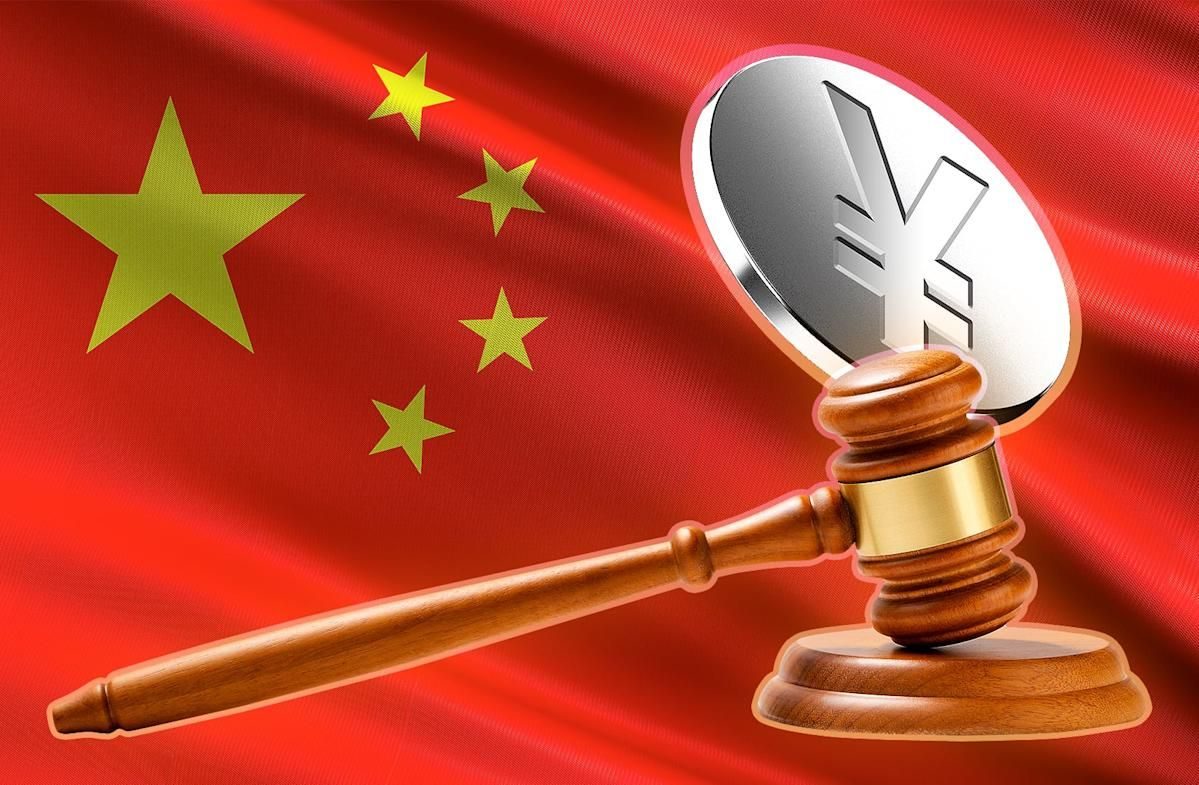
China’s central bank, the People’s Bank of China (PBOC), announced a ban on all unapproved RMB-pegged stablecoins and RWA issuance. The rule applies to both domestic and foreign entities and covers onshore and offshore yuan markets.
The move reinforces China’s strategy:
Maintain strict control over digital currency flows.
Limit private stablecoin competition.
Focus on state-controlled digital currency systems.

A World Divided, but Liquidity Is Winning
Despite regulatory differences, one trend is clear: liquidity is moving on-chain.
Hong Kong is opening regulated leverage.
CME is exploring tokenized collateral.
Asset managers are issuing RWAs on public chains.
Retail platforms are building tokenized stock infrastructure.
At the same time, countries like China are tightening restrictions to maintain monetary control.
The result is a global split:
Some regions are accelerating tokenization.
Others are restricting private digital asset issuance.
But institutions continue to build on-chain infrastructure regardless.
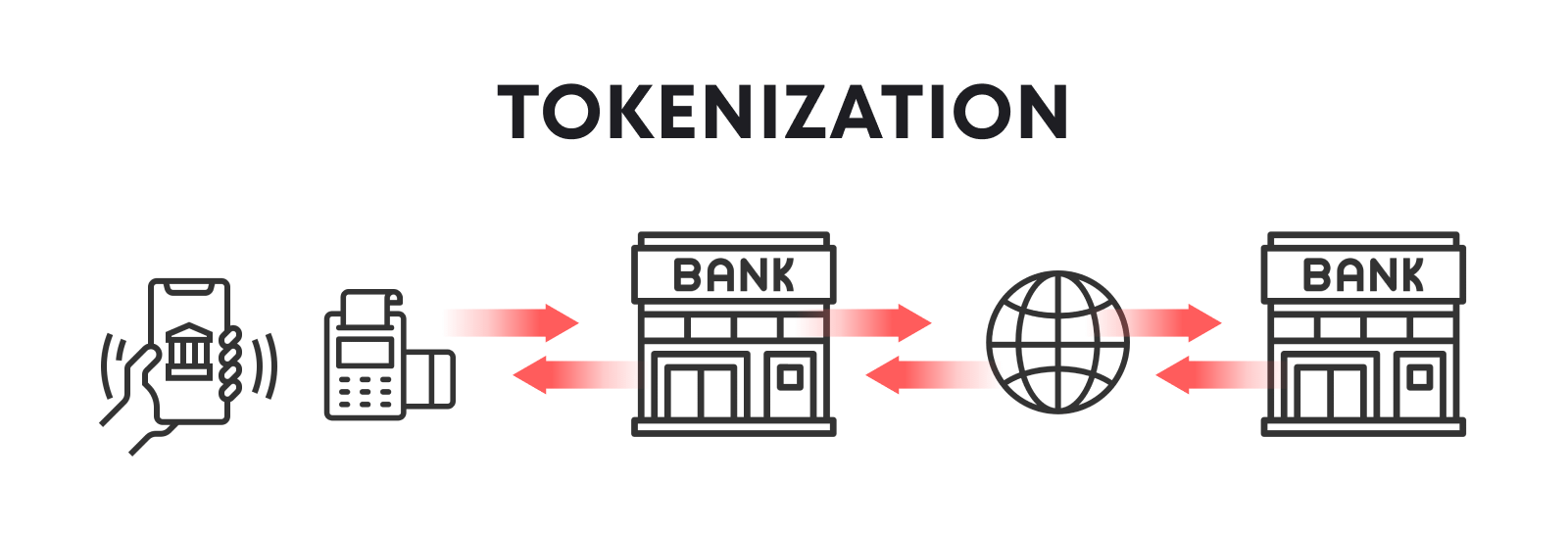
The Bigger Shift
This week’s developments suggest that the future of finance may not depend solely on crypto-native projects. Instead, the real transformation could come from traditional financial institutions adopting blockchain rails.
As tokenized assets grow and institutional liquidity moves on-chain, the question is no longer if tokenization will reshape markets—but which countries will benefit from it first.


