


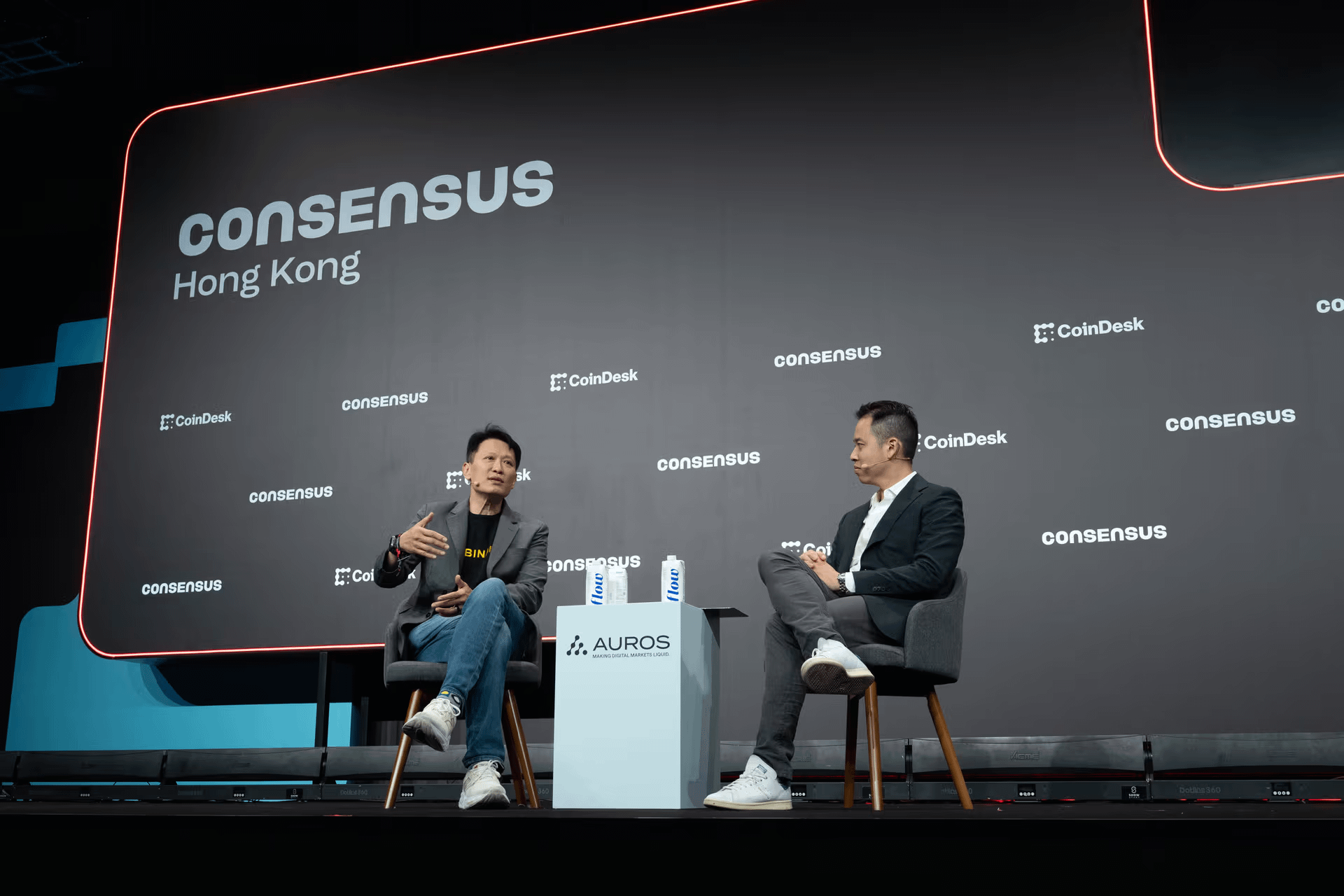
Binance Co-CEO Richard Teng recently explained what really happened during the infamous “10/10 liquidation event,” a brutal day that wiped out nearly $19 billion in crypto liquidations across the market. Speaking at Consensus Hong Kong, Teng made it clear that the crash was not caused by Binance, but by larger macro and geopolitical shocks that hit the entire industry at once.
Macro Events Triggered the Crash
According to Teng, the sell-off was mainly driven by global developments like new U.S. tariffs on China and China’s rare earth metal export controls. These moves created uncertainty across financial markets, and crypto reacted sharply due to its high leverage and sensitivity to sentiment.
He emphasized that every exchange , centralized and decentralized , saw heavy liquidations, which shows the event was market-wide and not linked to a single platform.
Most Liquidations Happened Within Hours
Teng noted that roughly 75% of the liquidations happened around 9:00 p.m. Eastern Time, when market stress peaked. This wave of liquidations also happened alongside two unrelated issues: a temporary stablecoin depegging and some delays in asset transfers on certain networks.
Even with these problems, Teng said Binance’s internal data did not show any massive withdrawals from the exchange, which suggests users largely stayed on the platform during the chaos.
Binance’s Role During the Turmoil
Teng said Binance focused on supporting affected users and maintaining smooth trading conditions. The exchange’s systems remained stable during the volatility, although the broader market was under extreme pressure and fear was clearly high.
He also pointed out that blaming a single exchange for such a large-scale event does not really reflect how interconnected the crypto ecosystem has become today.
Crypto Now Moves With Global Macro Forces
One important takeaway from Teng’s remarks was that crypto markets are now more connected to global macro trends than ever before. Geopolitical tensions, trade policies and interest rate expectations are increasingly shaping price movements, just like in traditional markets.
At the same time, institutional and corporate participation in crypto continues to grow, even though retail demand has cooled a bit during this volatile period.
Long-Term View Still Positive
Despite the scale of the “10/10” liquidation nightmare, Teng suggested that the long-term outlook for crypto remains strong. The industry is still seeing rising institutional adoption and broader use cases, which could support future growth once macro conditions become more stable.
The event served as a harsh reminder that crypto is no longer isolated , it reacts to global shocks too, sometimes even more aggressively than traditional assets.
