
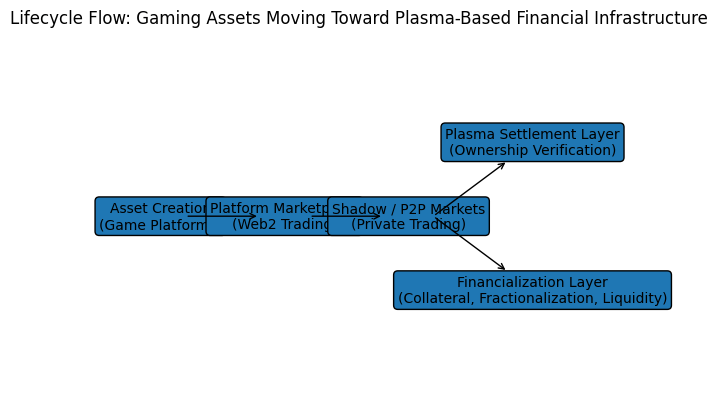
We rarely talk about it openly, but digital gaming assets are already functioning like shadow investment markets.
Not inside blockchains.
Not inside regulated exchanges.
But inside private groups, forums, and peer-to-peer black markets.
A simple real-life example most people overlook is Roblox limited items trading.
Certain rare Roblox items — hats, skins, and collectibles — sell for thousands of dollars in secondary markets. Players hold them for years expecting appreciation. Some accounts are built purely to accumulate rare digital inventory before selling everything as a bundled asset portfolio.
Ownership, however, remains fragile.
Accounts get banned.
Trades get reversed.
And platform policies can erase value overnight.
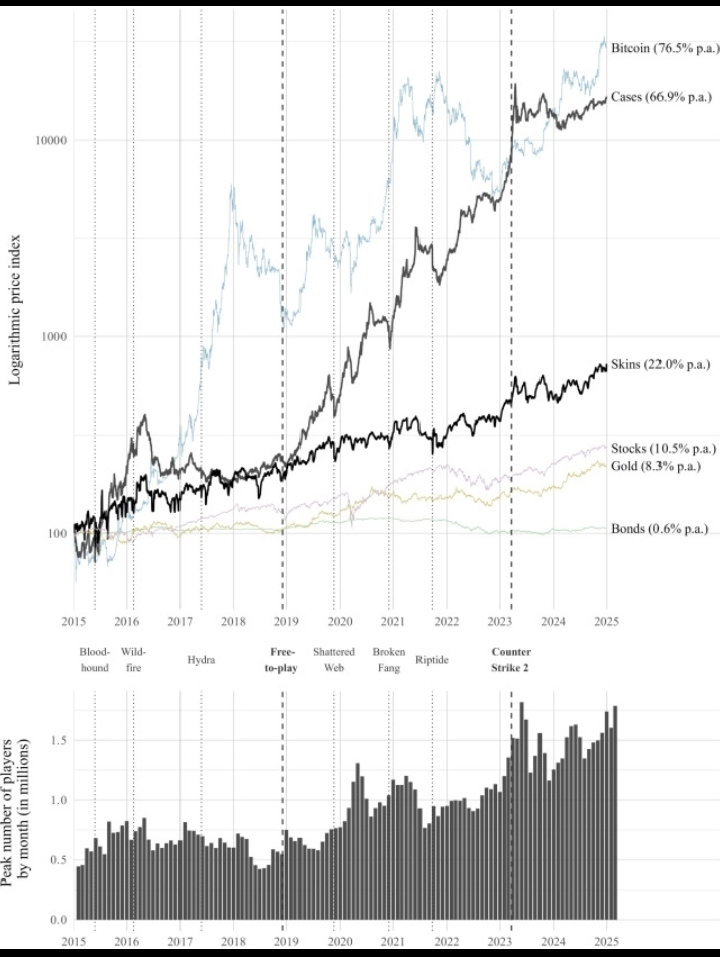
This is where I personally see that Plasma is introducing an infrastructure shift that goes far beyond payments or scalability.
The Hidden Problem Behind Digital Asset Ownership
Today, digital asset markets suffer from three structural weaknesses:
• Ownership is permission-based
• Liquidity depends on centralized platforms
• Asset pricing lacks transparent verification
Gaming collectibles, digital art, and virtual inventories already behave like speculative assets, but the infrastructure securing them still resembles Web2 custody.
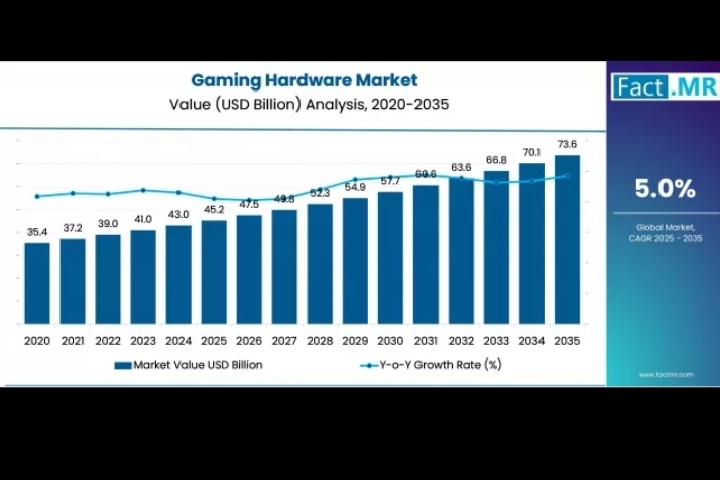
From my analysis, Plasma quietly introduces a framework where these assets can transition from platform-controlled items into verifiable, transferable, and programmable financial primitives.
Why Plasma’s Architecture Matters Here
What stands out to me is that the Plasma’s focus on enabling scalable asset settlement layers while maintaining the strong verification guarantees.
Rather than creating a platforms which can just acting as the final authority over digital ownership, Plasma creates a structure where asset state can be validated independently from application ecosystems.
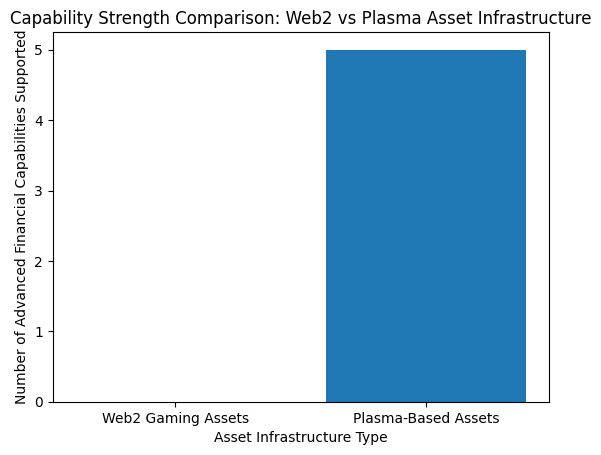
That single change unlocks three major transformations:
1. Persistent Ownership
Assets could remain provably owned even if applications shut down or policies change.
2. Structured Liquidity
Digital collectibles could be traded, collateralized, or fractionalized using the transparent settlement systems.
3. Trust-Minimized Valuation
Markets could price assets based on verifiable scarcity and historical transaction data rather than platform-controlled the rarity mechanics.
The Bigger Economic Shift Which Most People Miss
What fascinates me is not gaming itself — it is the financial behavior forming around the whole digital environments.
Digital assets are slowly moving from the entertainment collectibles toward the portfolio-grade property.
Infrastructure layers like Plasma are what could determine whether these economies remain fragile hobby markets or mature into structured financial ecosystems.
People are already do these things:
• Investing in virtual items
• Speculating on digital scarcity
• Building portfolios inside game ecosystems
But these economies currently operate without durable financial infrastructure.
Plasma positions itself at the layer where digital economies gain financial permanence.
Why This Could Reshape Future Digital Economies
From my perspective, the long-term value of Plasma is tied to enabling the digital economies to the function independently from the applications that created them.
If virtual assets gain durable settlement, liquidity channels, and verification layers, entire new asset classes can emerge across gaming, creator economies, and digital identity ecosystems.
Roblox collectibles today might seem niche.
But structurally, they resemble early versions of programmable digital commodities.
And infrastructure always becomes visible only after markets grow too large to function without it.

