
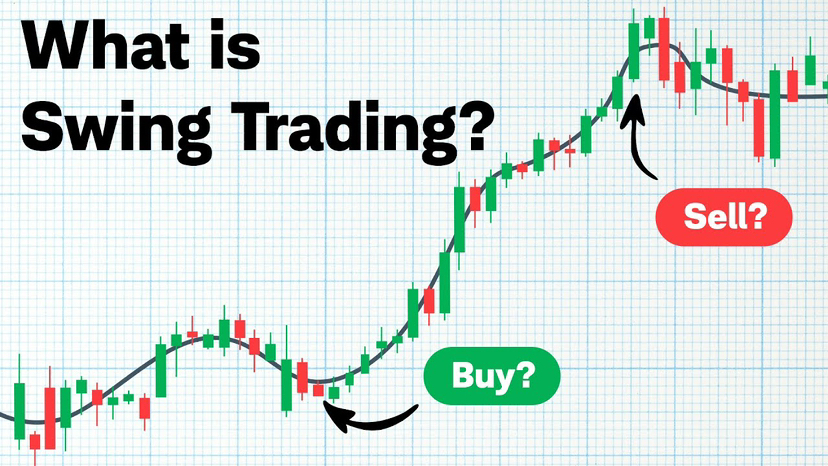
In the dynamic world of cryptocurrencies, swing trading has become the "golden mean" between exhausting day trading (scalping) and passive long-term investing (HODL). This approach allows capturing significant price fluctuations that last from a few days to several weeks, ignoring market "noise."
The foundation of a swing trader: Levels and Psychology
Before opening the chart, it is important to understand that the price does not move chaotically, but from one liquidity level to another.
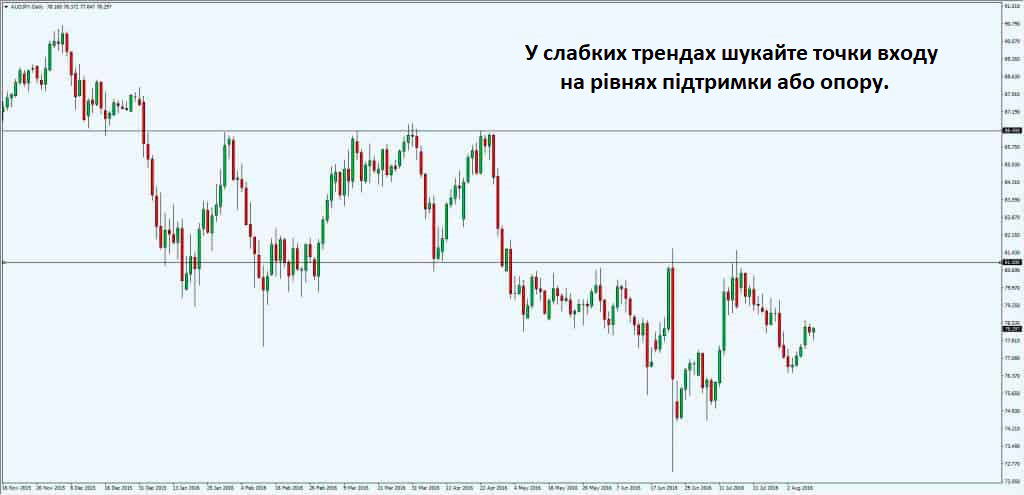
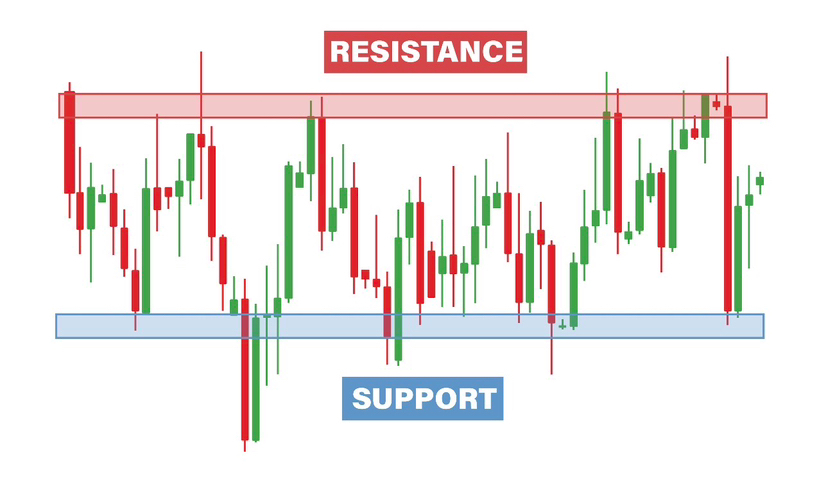
• Support: The "floor" of the price, where buyers are willing to buy the asset, stopping the decline.
• Resistance: The "ceiling" of the price, where sellers actively take profits, limiting growth.
Swing trading in crypto is especially relevant due to volatility. Where the stock market grows by 5% a year, Bitcoin can do this in an hour. This creates ideal conditions for "swings" — cyclic price movements.

Strategy #1: Trend Following
❗️This is a classic based on the principle: "The trend is your friend until it ends." We do not try to guess the reversal, but join the mass movement of money.❗️
How it works:
To determine the trend, Exponential Moving Averages (EMA) are used.
1. Setup: Add EMA 50 (short-term) and EMA 200 (long-term) to the chart.
2. Signal: If the price is above both lines, and EMA 50 crosses EMA 200 from below to above — we are dealing with a strong uptrend.
3. Entry point: Enter not at the peak, but on a price pullback to the EMA 50 or EMA 100 line.

Strategy #2: Trading against the trend (Mean Reversion)
❗️This strategy is for those who can see "overheating" in the market. Cryptocurrencies often rise too quickly on emotions (FOMO), after which they inevitably revert to the mean.❗️
Analysis tools:
The main helper here is the RSI (Relative Strength Index).
• Overbought (RSI > 70): The market is too optimistic, time to prepare for selling (short or exit position).
• Oversold (RSI < 30): Panic has peaked, the asset is undervalued — time to buy.
Expert tip: The strongest signal is divergence. This is a situation when the price makes a new high, but the RSI indicator does not. This means that momentum is fading.
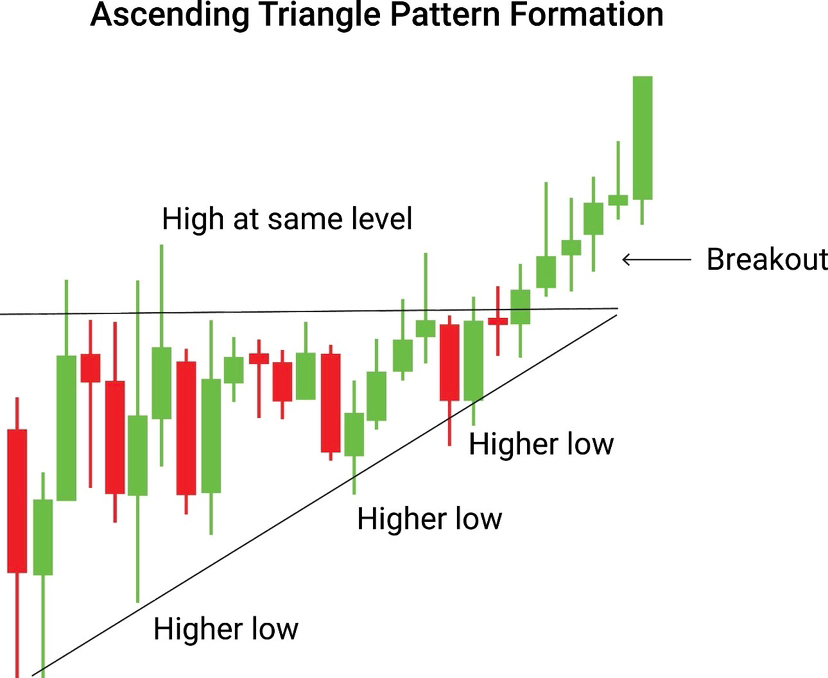
Strategy #3: Trading Breakouts (Breakout Trading)
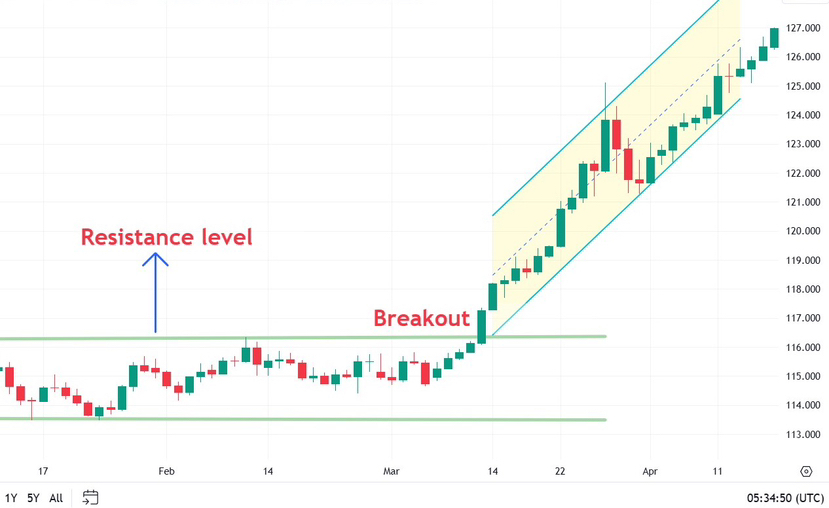
❗️Cryptocurrencies often stay in a "sideways" (consolidation) for a long time. The longer the price compresses in a narrow range, the more powerful the breakout will be.❗️
How to implement:
1. Identify the figure: Look for triangles, flags, or just clear horizontal channels on the chart.
2. Confirmation by volume: A breakout of a resistance level should occur on high trading volume. If the price goes up while volumes drop — this is a "bull trap."
3. Entry: Either at the moment of breakout or at the first "retest" of the broken level (when the price returns to the former resistance, which has now become support).
Risk management: How not to lose everything
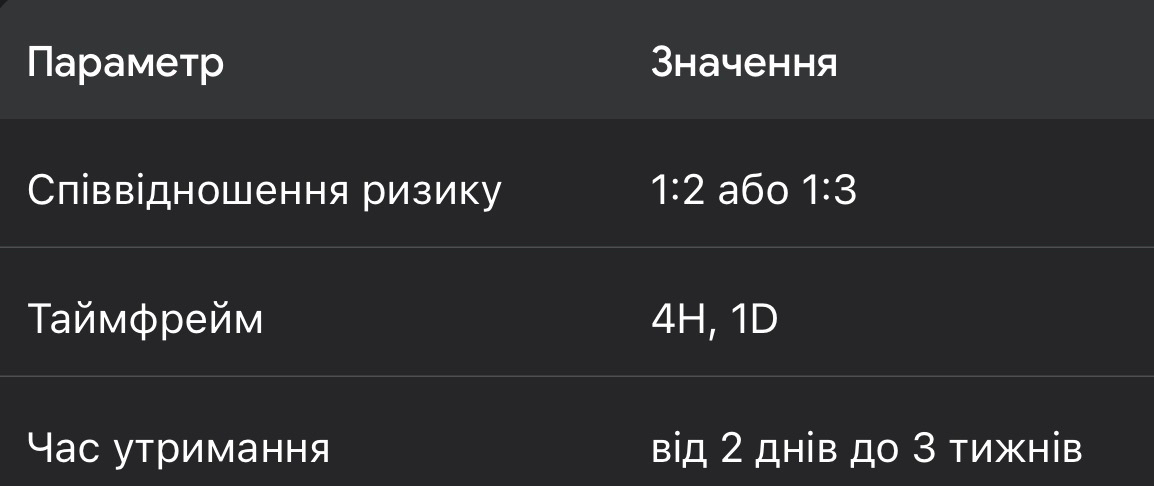
Even the best strategy has a chance of success of only 50-60%. Your task is to make profitable trades outweigh losing ones.
Golden rules of a swing trader:
• Stop-Loss: Always set an automatic exit from the position. In swing trading, the stop is usually set below the nearest local minimum.
• Risk per trade: Do not risk more than 1-2% of your total capital in one trade.
• Risk/Reward Ratio: Your potential target should be at least 2-3 times greater than the potential loss.
Conclusion
Swing trading is a game of patience. You should not be in the market 24/7. Your task is to wait for the "perfect storm" when technical levels, indicators, and volumes point in the same direction.