
Hey everyone, After exploring zero knowledge proofs last time, I wanted to shine a light on something even more empowering: Decentralized Identity (DID). It's that under the-radar tech that's quietly revolutionizing how we handle our personal data in Web3. Whether you're just starting out or already wallet deep in DeFi, understanding DID can help you take control, boost your privacy, and make smarter moves in crypto. Let's unpack this together it's simpler than it sounds, and the potential is massive.
What Is Decentralized Identity?
Picture this: Instead of big tech companies or governments holding the keys to your online identity—think usernames, passwords, and personal info scattered across apps—you own it all. Decentralized Identity, or DID, is a blockchain-based system where you control your digital self through cryptographic tools. No more relying on centralized databases that get hacked or sell your data.
At its core, DID uses three pillars: Decentralized Identifiers (unique, user-controlled IDs), Verifiable Credentials (digital proofs of claims like I'm over 18 or I graduated from XYZ University), and blockchain for secure storage and verification. It's part of the Self Sovereign Identity (SSI) model, where you're the boss no middlemen needed.
This concept kicked off with standards from the World Wide Web Consortium (W3C) around 2017, but it's exploding now with crypto's growth. Imagine logging into a DeFi app without handing over your email or KYC details every time just prove what’s necessary.
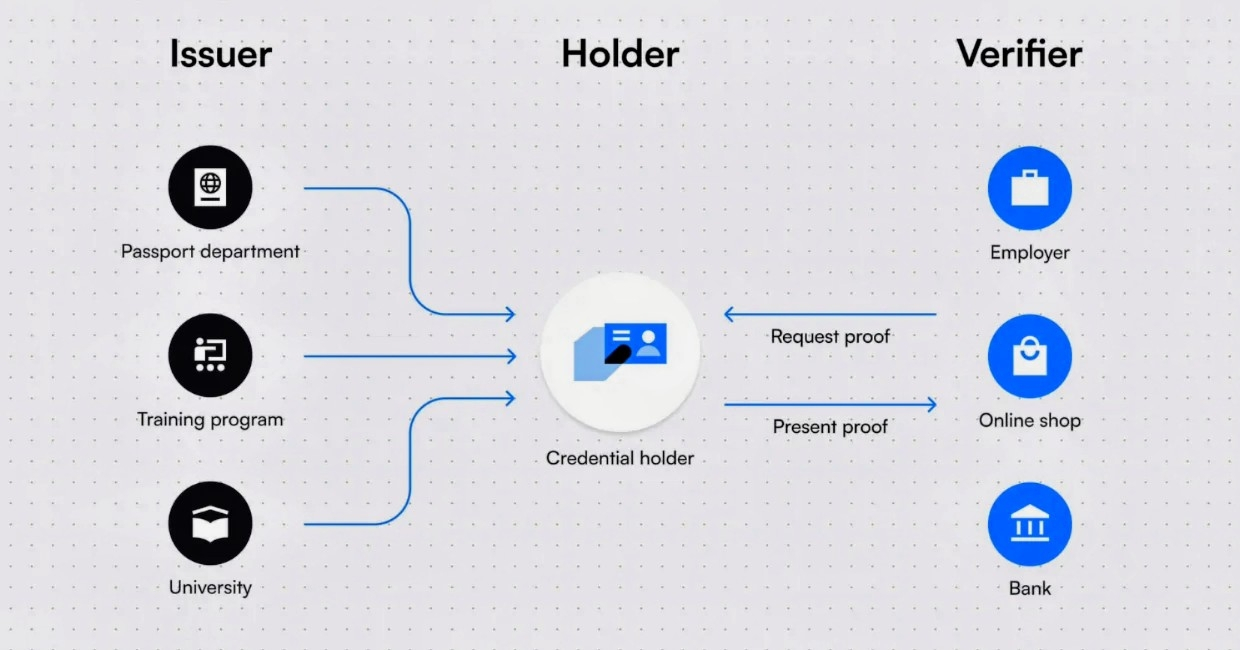
To get a clear visual, here's a straightforward diagram of how DID flows between issuers, holders, and verifiers:
How Decentralized Identity Works in Cryptocurrency
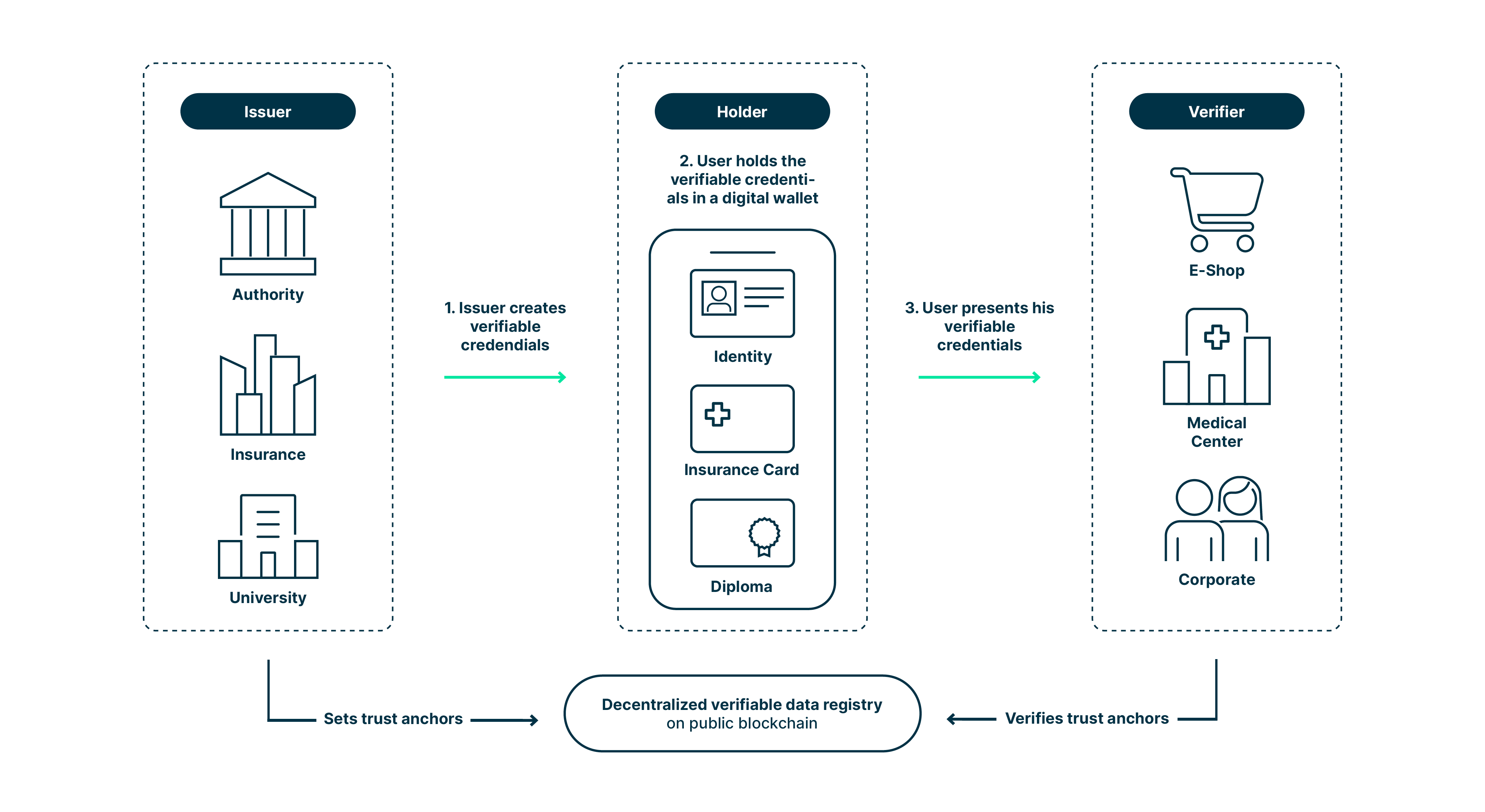
In crypto, DID integrates seamlessly with wallets and blockchains. Here's the breakdown: You create a DID (like did:ethr:0xabc...) linked to your public key on Ethereum or another chain. Issuers (e.g., a university or bank) send you Verifiable Credentials as JSON files signed cryptographically. You store them in a digital wallet app, and when a verifier (like a crypto exchange) asks for proof, you share only the needed info via zero-knowledge proofs tying back to what we discussed before.
Key tech includes:
DID Methods: Like did:ethr for Ethereum or did:ion for Microsoft's Identity Overlay Network.
Verifiable Credentials (VCs): Updated with W3C's 2.0 standard in 2025 for better security and interoperability.
Digital Wallets: Apps like Dock Wallet or uPort that hold your creds securely.
This setup ensures privacy: Share proof of age for a crypto lending platform without revealing your birthdate. It's efficient too—blockchains like Polygon or Hedera make verifications fast and cheap.
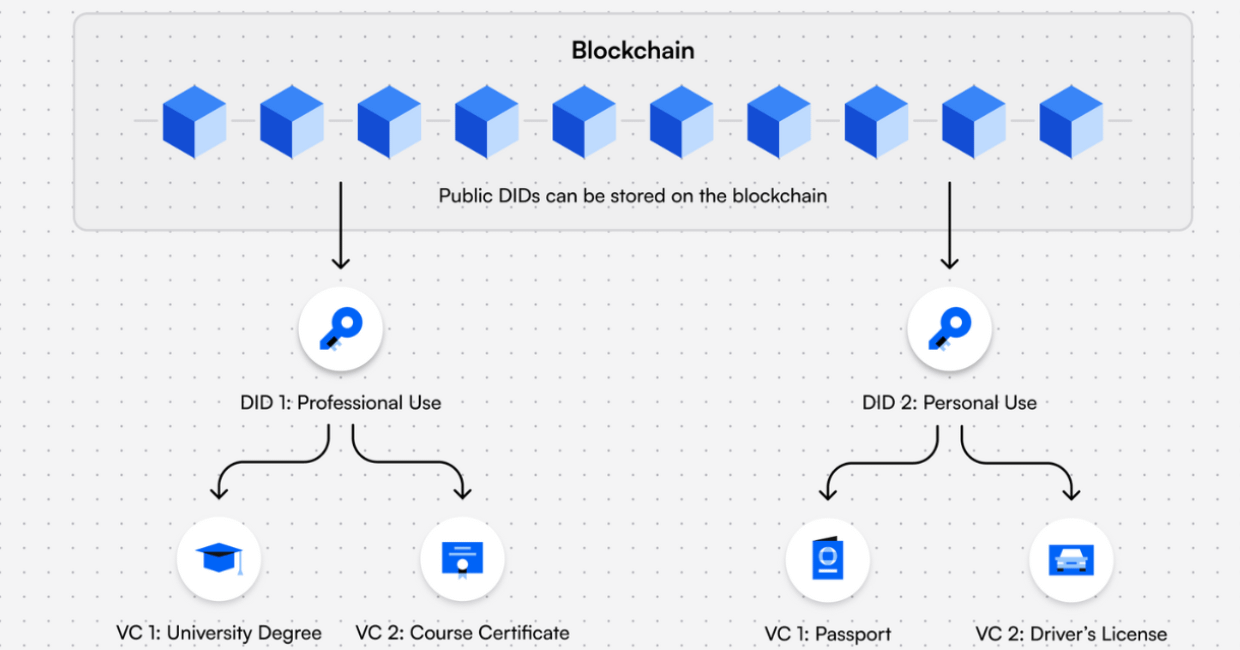
Check out this illustration showing multiple DIDs for different uses:
Real World Applications and Projects
DID isn't hypothetical it's powering crypto projects right now. In DeFi, it streamlines KYC without central databases, reducing fraud. For example, Aave or Compound could use DID for compliant lending while keeping user data private.
Standout projects:
Humanity Protocol: Raised $50 million in 2025 for palm scan based verification, hitting a $1.1 billion valuation perfect for proving humanity in crypto without invasive biometrics.
Polygon ID: Integrated with AggLayer in 2025, letting users knit identity into DeFi apps seamlessly.
Hedera's IDTrust: Launched in 2025 for governments and enterprises, enabling self-sovereign IDs on a fast blockchain.
Worldcoin: Uses orb scans with DID principles for universal basic income in crypto, though it's sparked privacy debates.
Beyond finance, DID shines in NFTs (proving ownership history privately), gaming (verifiable achievements), and even voting in DAOs. Malaysia's MyDigital ID Superapp, rolled out in 2025, is a nationwide example blending crypto tech with everyday identity.
Here's an example of a self-sovereign identity wallet in action:
Recent Developments in 2025-2026
As of early 2026, DID is booming. The decentralized identity market hit USD 7.4 billion this year, up from USD 4.89 billion in 2025, with projections to soar by 2031. Regulatory shifts are fueling this the EU's EUDI Wallet mandate requires member states to offer digital IDs by mid-2026, interoperable across borders.
In the US, the GENIUS Act (passed 2025) pushes for privacy compliant stablecoins, where DID enables selective disclosure. Crypto leaders like Coinbase's Brian Armstrong highlighted DID in 2025 for combating surveillance. Partnerships like PwC Italy with SKChain on Coinbase's Base are bringing enterprise grade DID to blockchain.
Looking ahead, 2026 will see AI integrated DID for smarter verifications and more zk proof combos for ultimate privacy. With 60% of countries exploring DID alongside traditional systems, it's going global.
Benefits and Potential Impact
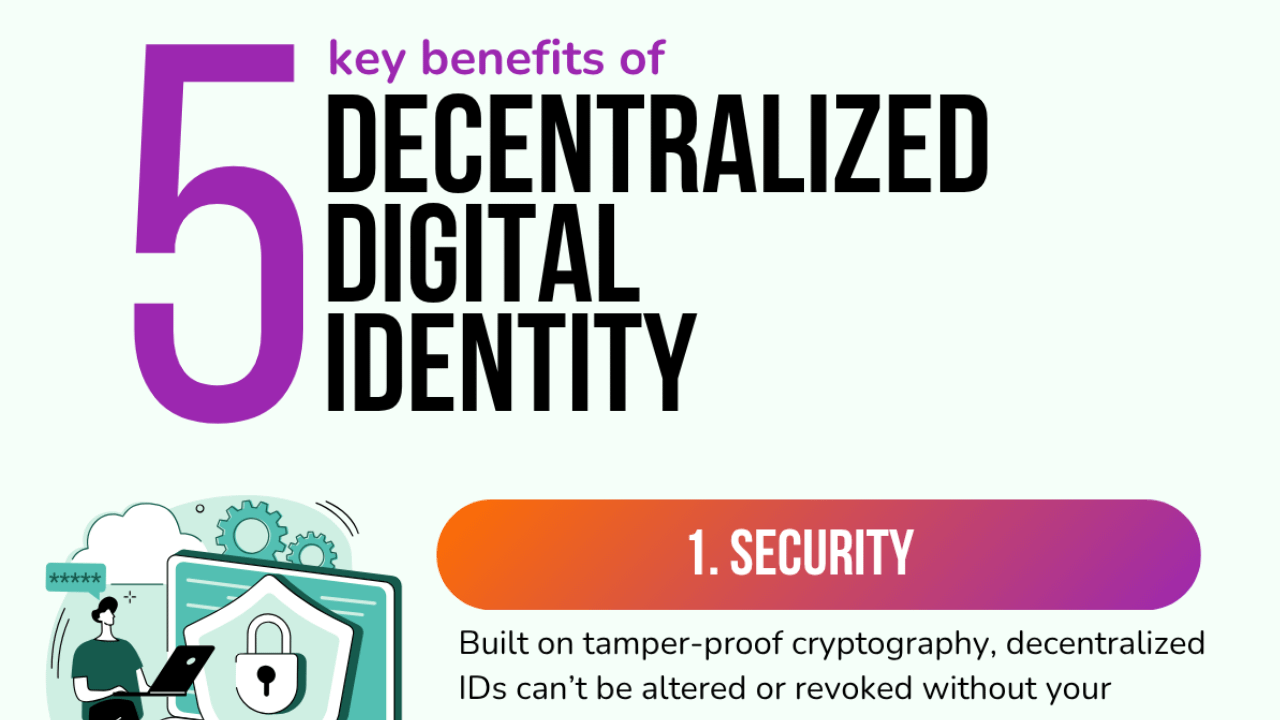
Why get excited? Privacy and Control: Own your data no more Equifax style breaches. Efficiency: Instant verifications cut onboarding time in crypto apps from days to seconds. Inclusion: Empowers the unbanked with verifiable IDs for accessing DeFi or remittances.
In crypto, it bridges TradFi and DeFi, making compliance easier without sacrificing decentralization. Imagine seamless cross chain identities or fraud proof wallets. The motivational part? This tech levels the playing field, giving power back to individuals in a data hungry world.
Take a glance at this infographic highlighting the key benefits:
Analysts predict the digital identity market could hit $200+ billion by 2034, with 25-35% decentralized. It's transformative for freedom and innovation.
Challenges and Considerations
Of course, hurdles exist. Adoption is slow due to tech complexity not everyone wants to manage their own keys. Interoperability between DID methods needs work, and regulations vary (e.g., GDPR loves privacy but questions blockchain permanence). Security risks like key loss are real, but recovery protocols are improving.
The upside? These challenges are solvable, and tackling them head on is what makes crypto rewarding. Start informed, and you'll navigate them like a pro.
How You Can Get Involved
Eager to try? Here's a step-by-step guide:
Learn the Basics: Check W3C docs or Dock.io's guides for free resources.
Set Up a Wallet: Download apps like Dock Wallet or Microsoft Authenticator with ION support create your first DID.
Experiment: Use Polygon ID for a test credential, or join Humanity Protocol's beta for crypto-integrated verification.
Invest Smartly: Look at tokens tied to DID projects, like HBAR (Hedera) or POL (Polygon). Research market growth it's up 51% year over year.
Build or Contribute: If you're dev inclined, explore GitHub repos for Verifiable Credentials. Stay tuned for EU wallet rollouts in 2026.
Always prioritize security use hardware wallets and start small. DID can protect your crypto journey from the ground up.
Wrapping It Up: Own Your Identity, Own Your Crypto Future
Decentralized Identity is the unsung hero of crypto, empowering us to break free from centralized control and build a more private, efficient Web3. For newcomers, it's a gateway to safer participation; for pros, it's the next edge in DeFi and beyond. I'm motivated thinking about how this puts power in our hands let's embrace it and shape a better digital world. What's your experience with DID? Drop a comment, and let's chat! #decentralization #EducationalContent


