
Everybody in crypto loves talking about payments. Fast payments, cheap payments, global payments. But here's what almost nobody mentions: moving money between chains still feels like crossing a border with paperwork. You need tokens you didn't ask for, gas fees that spike without warning, and enough patience to sit through confirmation times that make bank wires look modern.
Plasma has been quietly building a stablecoin-focused L1 that already handles zero-fee USDT transfers on its own network. Over 7 billion in stablecoin TVL sitting on-chain, Plasma One card gaining daily active users, sub-second finality humming along in the background. That foundation is real and it's working. But the honest limitation has always been what happens when money needs to leave. Cross-chain has been the weak link not just for Plasma but for every chain pretending payments are their thing.
That's why the upcoming HOT Bridge matters more than most people realize.
HOT Bridge isn't built like a traditional bridge where validators lock your tokens on one side and mint them on another. That old model is basically a honey pot with extra steps. Instead, HOT Bridge runs on NEAR Intents, which is a fundamentally different architecture. You submit an intent, basically a plain statement like "move 1000 USDT to Ethereum." Solvers in the network see that intent and compete to fulfill it. The winning solver prepays all gas costs, routes the transaction through the optimal path, and gets compensated from a small spread on the assets. You as the user touch zero gas tokens. You sign once and your money arrives in seconds.
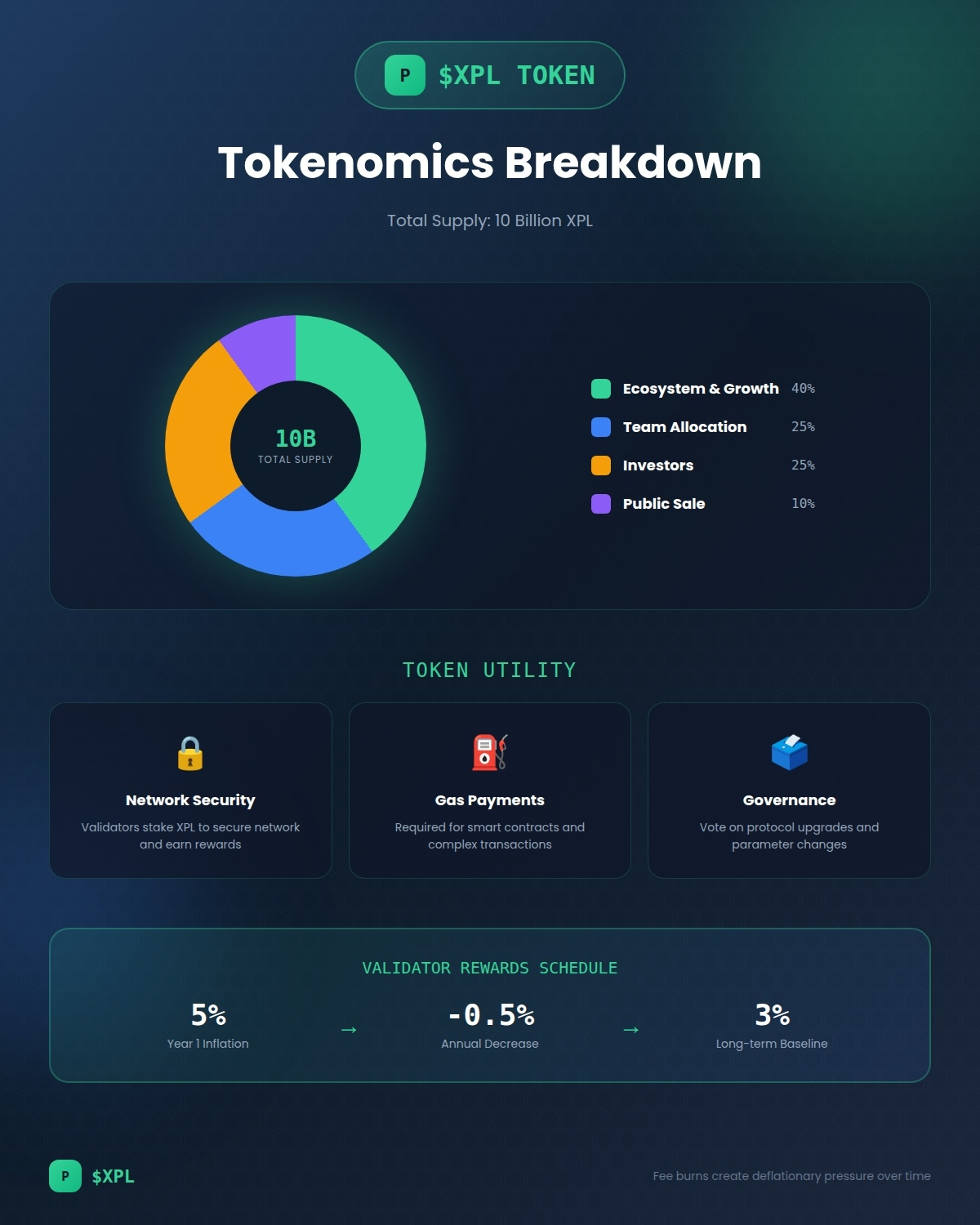
The solver economics here are what make it sustainable rather than gimmicky. Solvers need to hold and stake $XPL to participate in routing. When cross-chain volume grows, solver competition intensifies, fees drop for users, and XPL demand increases because more solvers want in on the action. That's a genuine flywheel, not a marketing diagram. Transaction fees between 0.1 and 0.5 percent still exist because they have to. Somebody has to pay for the underlying computation, and zero fees would just invite spam attacks that kill the bridge within a week. But shifting that cost away from users and into a competitive solver market is a design choice that actually respects how normal people think about money.
Security-wise, Plasma is using Taproot plus threshold signatures for the trust-minimized settlement layer underneath HOT Bridge. No single custodian holds your assets during transit. That doesn't make it invincible because no bridge is, and anyone who tells you otherwise is selling something. But it's a meaningful step away from the multisig setups that gave us disasters like the Ronin hack.
The real question is whether HOT Bridge turns Plasma from a solid payment chain into genuine cross-chain infrastructure. Early solver liquidity will be thin, extreme volatility could cause intent matching delays, and the bridge will need to survive real-world stress before trust is fully earned. But if the execution matches the design, Plasma could become the place where stablecoins move freely without anyone having to think about which chain they're on. And honestly, that's the whole point of payments. You stop thinking about the plumbing and just send the money.
Follow TeamJiX for more Latest Updates
Support Me with TIP❤️
Don't Forget To Like Share And Comment

