


Every new blockchain launches with bold claims about scalability and innovation. What ultimately matters, however, is not the promise but the data that emerges once users begin interacting with the network. @Plasma entered the market with a focused thesis. Build infrastructure around stablecoins and real payments rather than general purpose experimentation. The period between 2024 and 2025 offers enough real metrics to move beyond speculation and examine how adoption actually unfolded.
Understanding Plasma’s trajectory requires looking beyond price charts and focusing instead on liquidity flows, stablecoin usage, transaction activity, and ecosystem growth.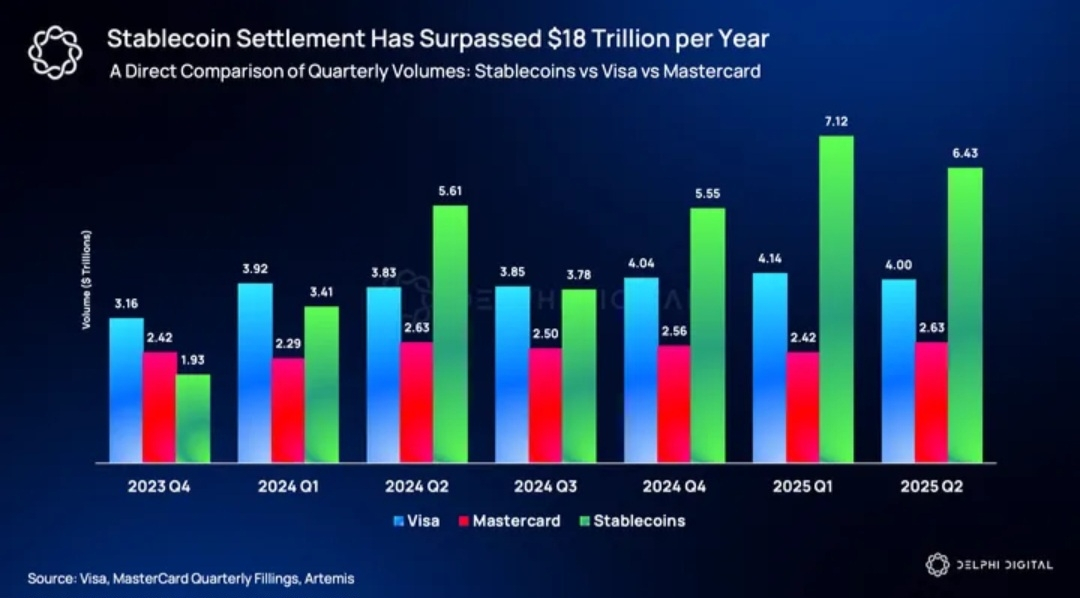
Launch Momentum: Immediate Liquidity and Early Adoption
Plasma’s mainnet launch created unusually strong early signals. The network reportedly debuted with over 2 billion dollars in stablecoin liquidity and more than 100 DeFi integrations available from day one.
This level of initial capital placed Plasma among the fastest liquidity launches for a new Layer 1 chain. Early activity was driven by the network’s core differentiation. Zero fee stablecoin transfers and infrastructure optimized specifically for USD based payments rather than general blockchain experimentation.
Early hype translated into measurable metrics. Some reports indicate total value locked briefly surged into double digit billions during early liquidity cycles as users explored yield opportunities and stablecoin strategies.
These numbers suggest strong initial curiosity and capital inflows rather than long term stability.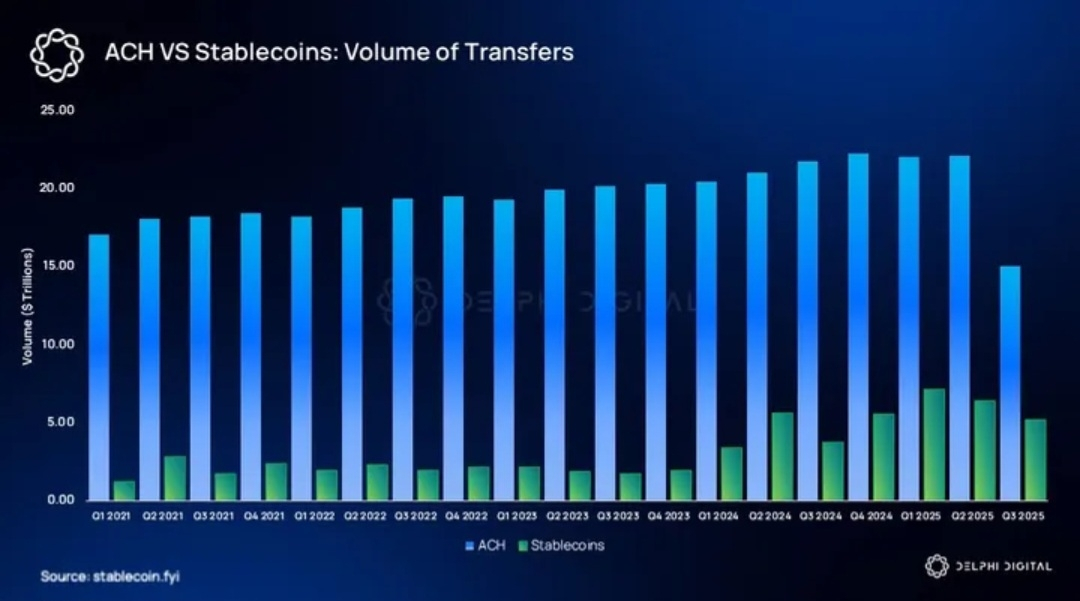
Stablecoin Usage: The Core Engine of Activity
Unlike many Layer 1 chains where usage spreads across NFTs, gaming, and DeFi, Plasma’s data shows clear concentration around stablecoin activity. Current analytics indicate stablecoin market capitalization on the network approaching roughly 1.9 billion dollars, with USDT accounting for about 76 percent of supply.
Daily decentralized exchange volume has reached approximately 10 million dollars, with weekly volume exceeding 140 million dollars in recent snapshots.
These numbers reinforce Plasma’s central thesis. Stablecoins are not just one application among many. They represent the dominant driver of real usage.
This specialization differentiates Plasma from general purpose ecosystems but also narrows the lens through which adoption should be evaluated.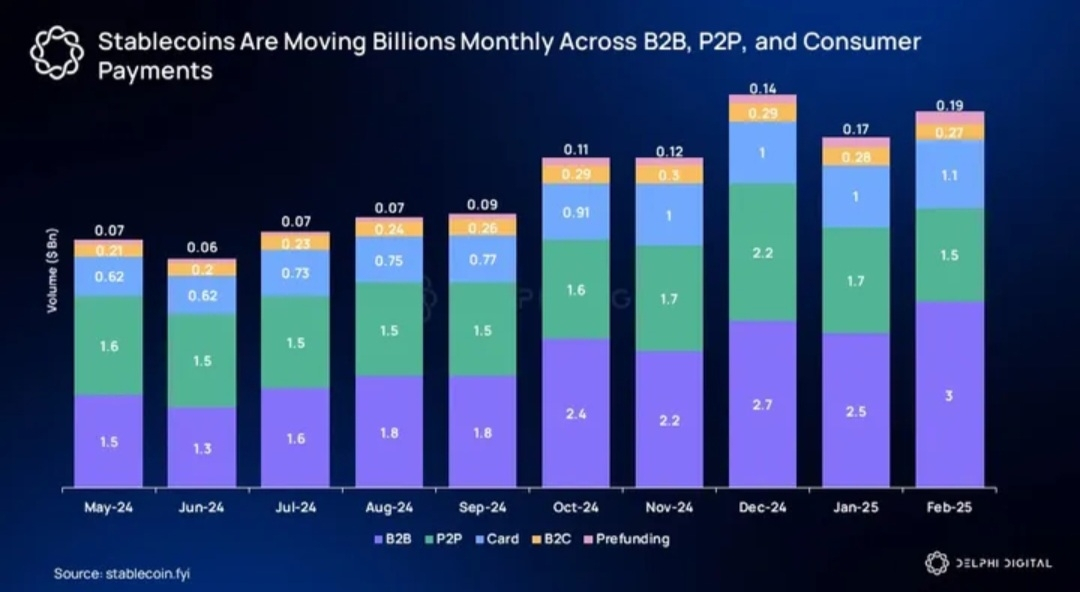
Transaction Activity and Network Performance
Blockchain explorers show more than 151 million transactions processed on the network, with throughput averaging around 4.3 transactions per second during observed periods.
While these figures demonstrate active usage, they also highlight an important reality. Actual network load remains far below theoretical throughput capacity. This gap between capability and real demand is common for early stage infrastructure where technology is built ahead of sustained user activity.
TVL Evolution: From Early Surge to Stabilization
After launch, Plasma experienced a classic adoption pattern. Rapid growth followed by normalization. Initial liquidity incentives and speculation drove early peaks in total value locked. Over time, TVL and activity stabilized as short term capital rotated out.
Recent data shows bridged and native liquidity still significant, with total value locked measured in billions, including approximately 6.4 billion dollars bridged liquidity and over 4.5 billion dollars native TVL depending on measurement methodology.
This stabilization phase often marks the transition from speculative experimentation toward more organic usage patterns.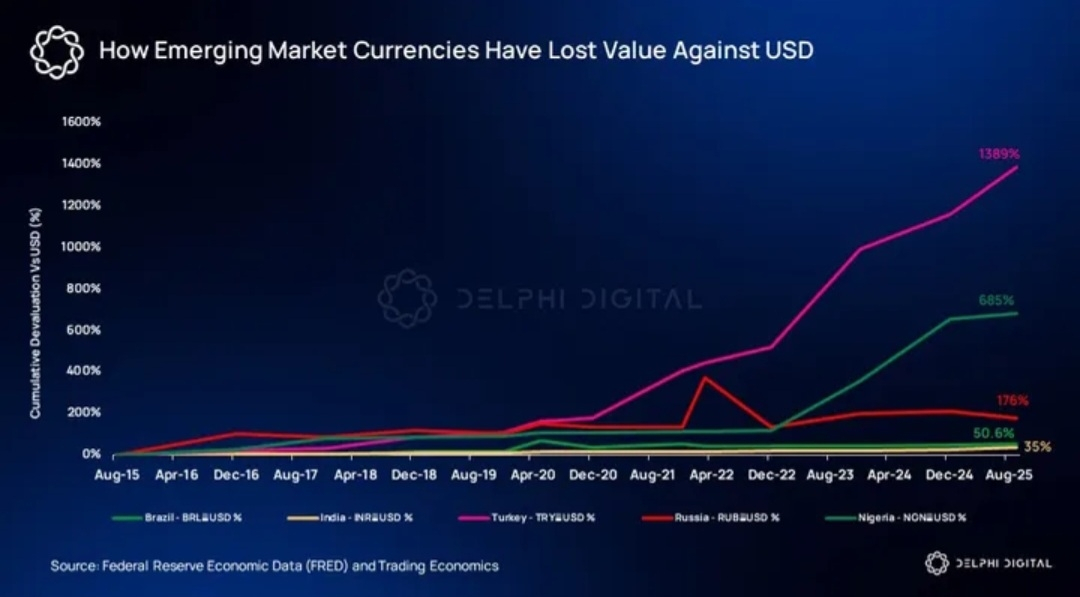
Token and Market Metrics: Sentiment Versus Utility
Market data provides additional context. The $XPL token currently trades around a market capitalization near 145 to 175 million dollars with daily trading volume ranging from roughly 60 to 160 million dollars depending on exchange sources.
Despite strong early momentum, some analyses highlight that the token experienced significant price volatility after launch, reflecting the difference between initial narrative hype and sustained usage growth.
Importantly, token performance does not always correlate directly with network adoption, especially for infrastructure focused on payments rather than speculation.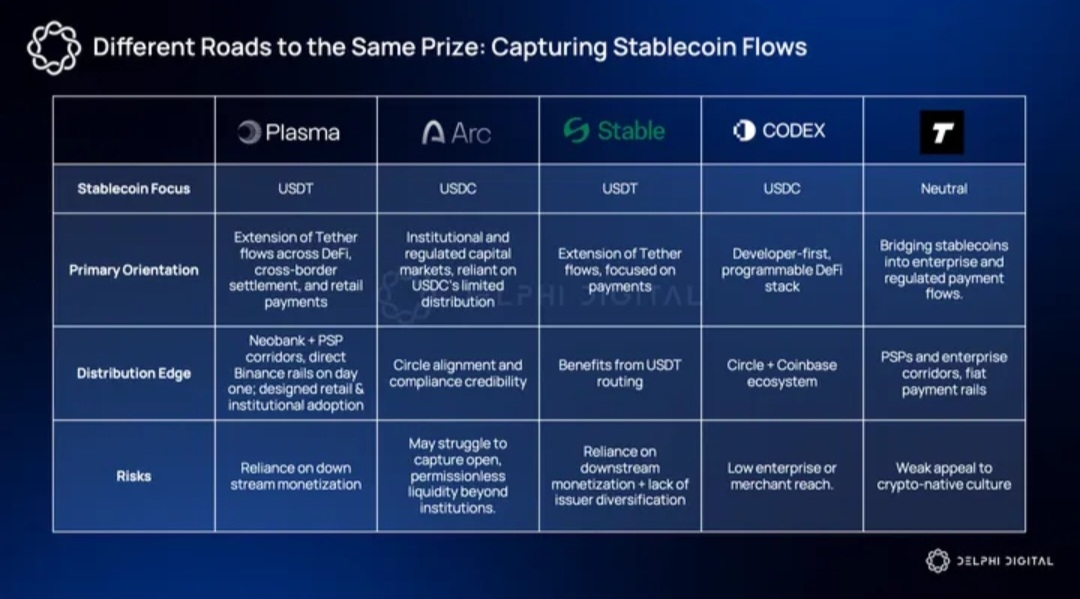
Developer and Ecosystem Activity
Plasma’s ecosystem expansion includes partnerships with DeFi protocols and liquidity campaigns designed to increase activity. Yield initiatives helped protocols accumulate hundreds of millions in TVL during certain campaigns, suggesting that developer engagement remains active.
The roadmap also includes integrating Bitcoin liquidity through bridging mechanisms, which could expand the addressable market and introduce new use cases such as BTC collateralized lending.
These developments indicate ongoing infrastructure evolution rather than a static ecosystem.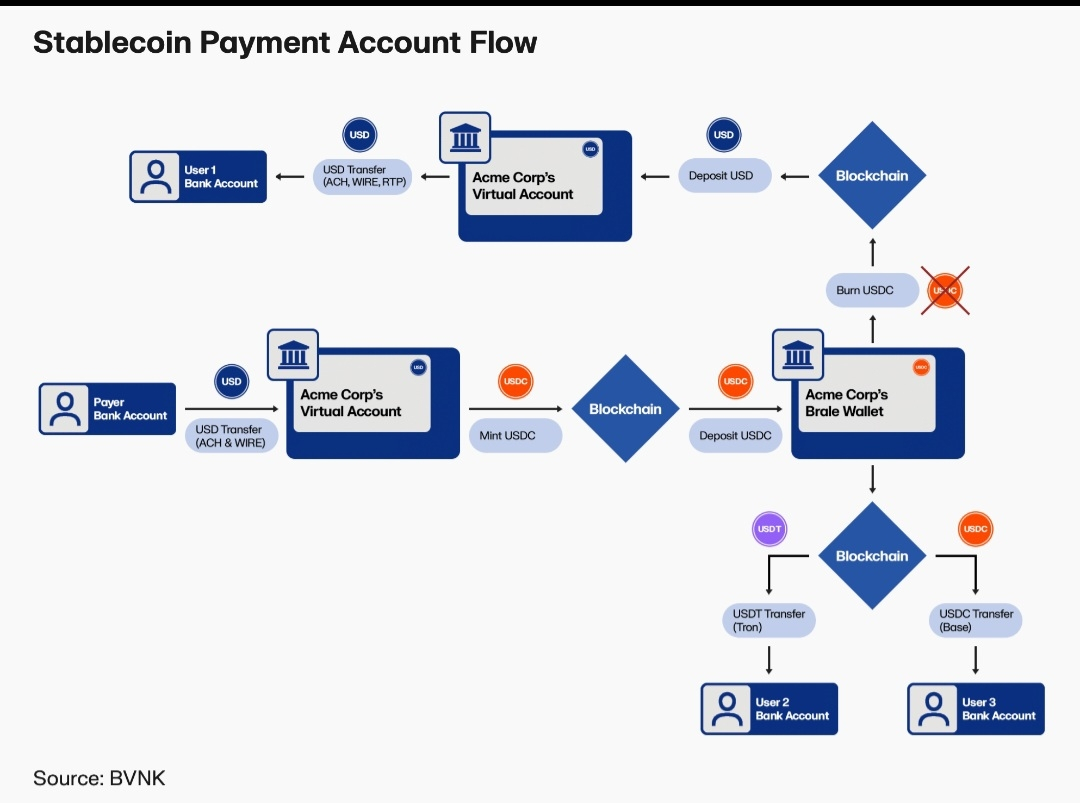
Broader Industry Context: Stablecoins as the Dominant Use Case
Plasma’s adoption trends reflect a wider industry shift. Stablecoins have emerged as one of the most widely used blockchain applications globally. By focusing specifically on digital dollar transfers, Plasma aligns with an area already demonstrating strong real world demand.
Instead of competing across multiple sectors, the network attempts to dominate a single vertical. Payments and stablecoin infrastructure.
This approach carries both advantages and risks. Specialization can accelerate adoption if the chosen use case grows rapidly. It can also limit ecosystem diversity if broader application development remains limited.
Personal Perspective: What the Data Really Suggests
Looking at the numbers without hype, Plasma appears to have moved beyond its experimental phase but has not yet reached mass scale adoption. The presence of billions in liquidity and a multi billion stablecoin supply indicates meaningful activity. However, relatively modest transaction throughput compared to capacity suggests the network is still waiting for sustained daily usage growth.
The most encouraging signal is consistency in stablecoin activity. Rather than chasing trends, the network seems to be reinforcing its core identity as a payment focused chain.
Forward Looking Conclusion: From Early Momentum to Long Term Utility
Between 2024 and 2025, Plasma transitioned from concept to measurable infrastructure. Early liquidity surges demonstrated strong interest, while subsequent stabilization revealed a more realistic picture of adoption.
Current data shows a network anchored by nearly two billion dollars in stablecoins, billions in total liquidity, and millions of transactions processed. These metrics suggest genuine traction but also highlight that Plasma’s biggest growth phase may still lie ahead.
The next chapter will depend on whether stablecoin infrastructure evolves into daily financial rails used consistently by real users rather than periodic liquidity cycles. If digital dollars continue expanding as crypto’s dominant use case, Plasma’s specialized design could become an advantage. If not, its narrow focus may limit broader adoption.


