
I don’t usually stop scrolling for “payments updates.” Most of them sound important, but nothing actually changes. This time felt different.
What’s been happening around @Plasma lately isn’t flashy. There’s no dramatic launch moment or buzzword-heavy campaign. Instead, it’s starting to show up where it actually matters. When you slow down and look at the details, it feels less like an experiment and more like infrastructure.
The biggest signal isn’t a roadmap or a feature announcement. It’s usage.
USDT on Plasma isn’t just moving between crypto-native wallets anymore. It’s being spent. Through card integrations, people can use USDT at millions of merchants globally. Groceries, subscriptions, travel, everyday purchases. No manual swaps back to fiat. No extra steps. You pay in USDT, the merchant receives USDT, and Plasma handles settlement in the background.
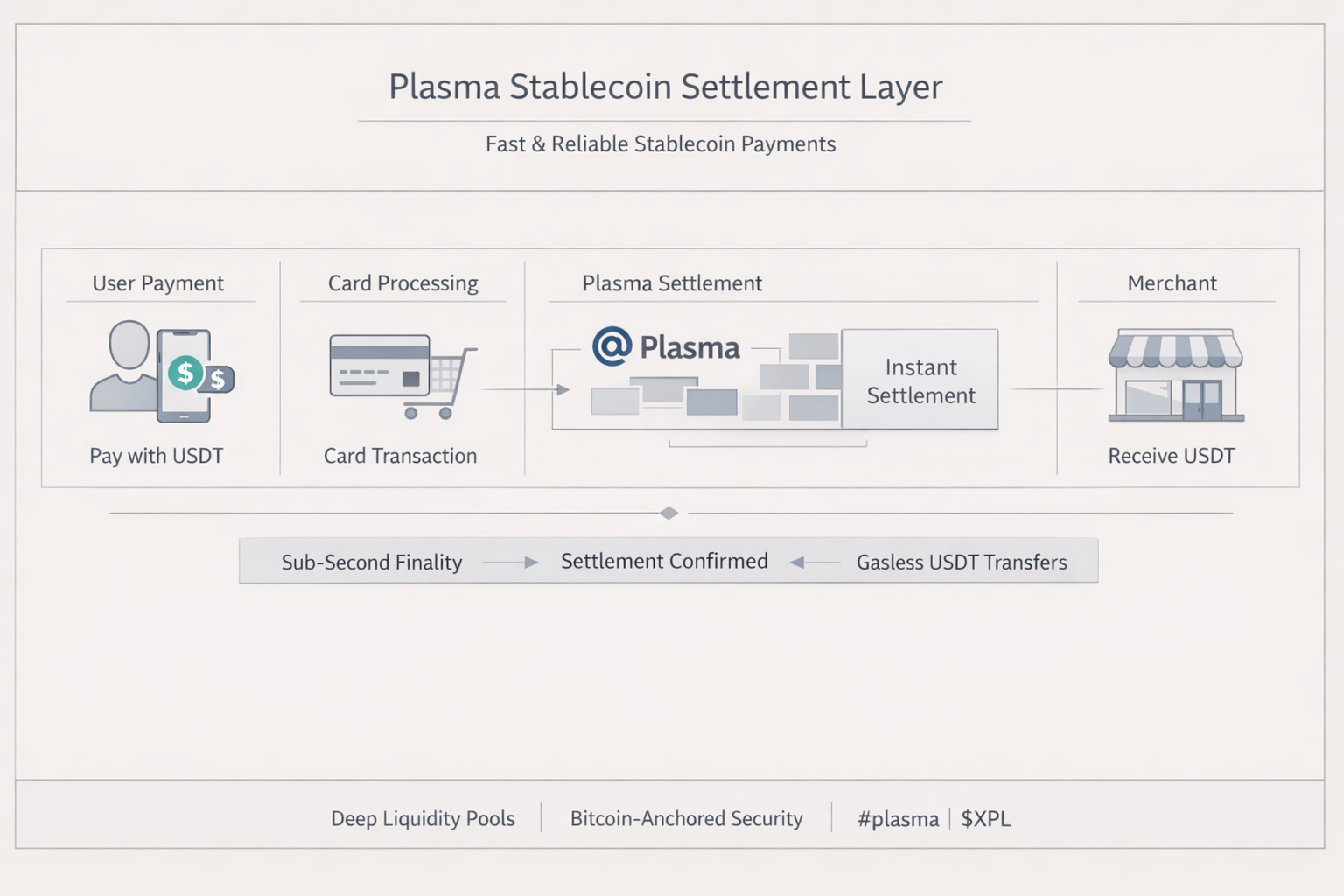
That alone places Plasma in a different category from most “payment chains.” But it goes further.
Actual payment processors are routing meaningful volume through the network. One of them is settling around $80 million per month across e-commerce, payroll, and FX-related flows. That’s not trial traffic. That’s businesses trusting the chain to move money reliably. And businesses don’t care about narratives. They care about funds arriving on time, fees staying predictable, and systems holding up under pressure. Plasma meeting those expectations matters.
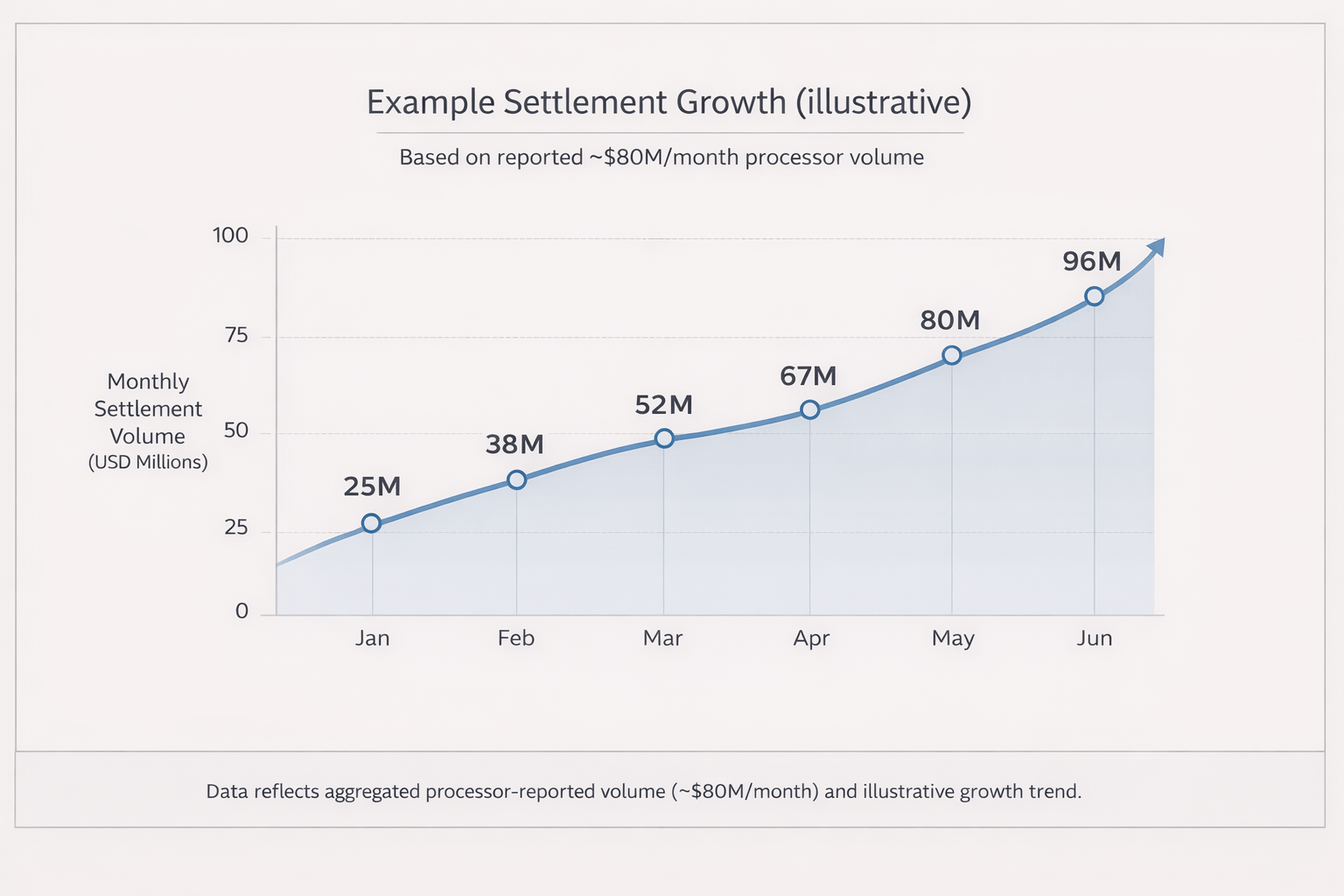
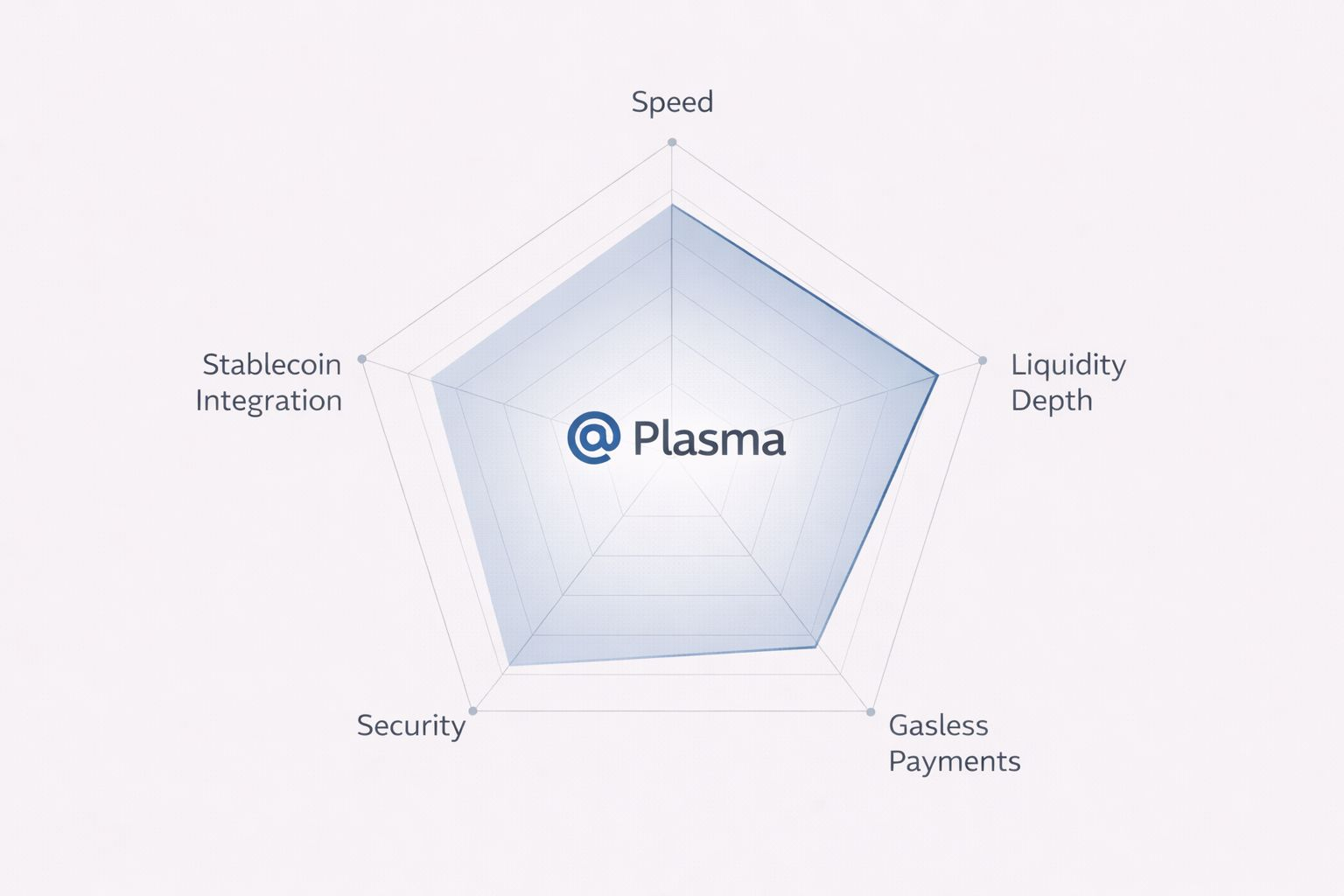
Speed plays a big role here. Sub-second finality changes how payments feel. There’s no moment of hesitation where users wonder if something worked. Transfers settle, balances update, and the interaction feels complete. That’s the difference between something feeling like a crypto transaction and something feeling like a normal payment.
Once people experience that, slower settlement starts to feel outdated.
The UX choices support this direction. Gasless USDT transfers and stablecoin-first gas remove one of crypto’s longest-standing frictions. Users don’t need to hold a volatile asset just to move dollars. Fees are paid in the same stablecoin being transferred. It’s simple, and simplicity is rare in this space.
Liquidity depth is also improving. Stablecoin-focused pools connected to $XPL have grown into the hundreds of millions, with surrounding ecosystems pushing those figures even higher. Settlement layers need more than speed. They need capacity. Without depth, real-world volume can’t scale.
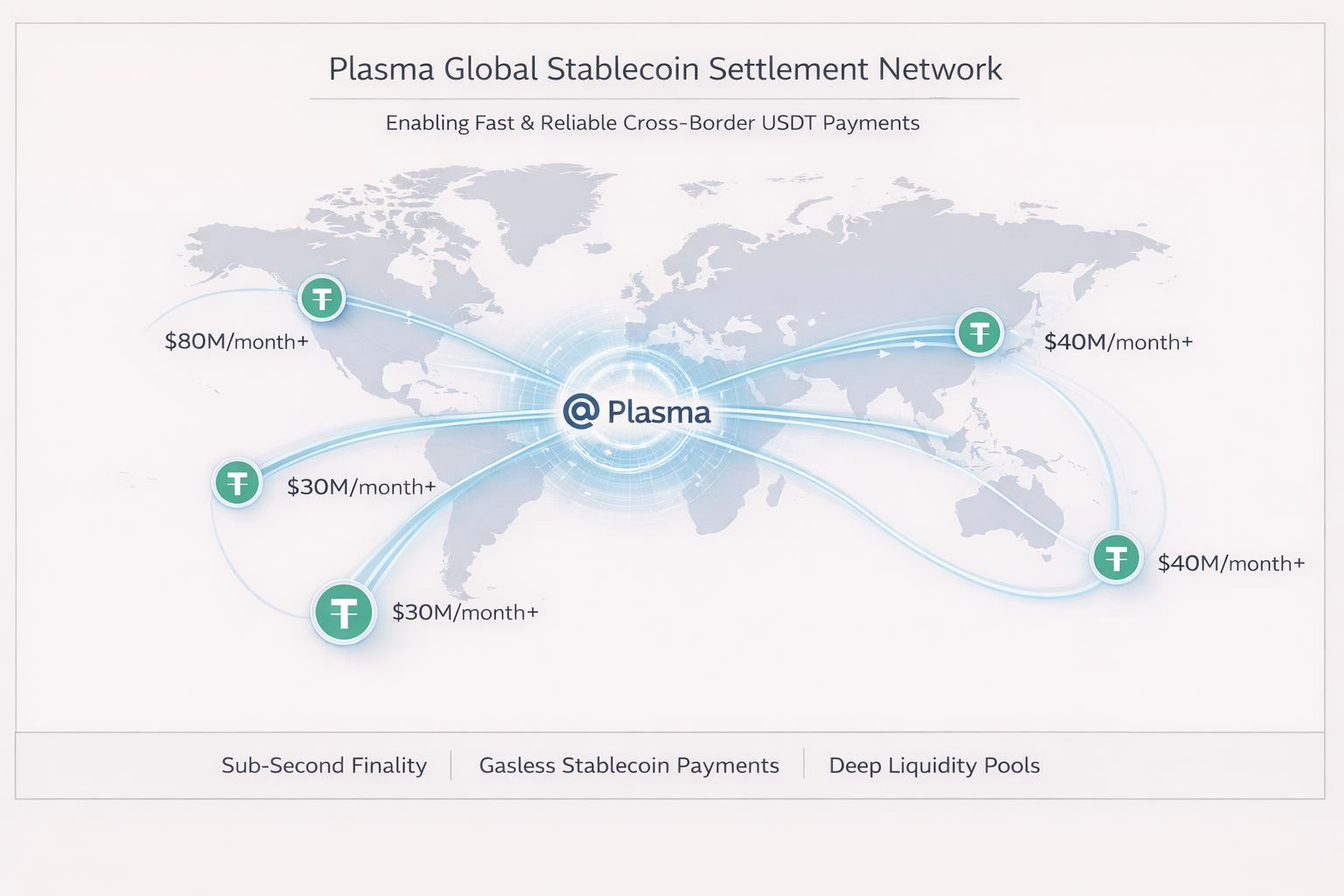
Another important shift is Plasma’s role in cross-chain settlement. Rather than trapping liquidity, it’s integrating with intent-based and aggregated liquidity systems. In practice, that means stablecoins can move across multiple chains while using Plasma as a fast, predictable settlement point. That’s a practical role for a payment-focused Layer 1.
Security hasn’t been sidelined either. Plasma continues to lean into its Bitcoin-anchored security model, prioritizing long-term neutrality and censorship resistance. As stablecoins become more embedded in global finance, settlement infrastructure will face pressure from many directions. Anchoring to Bitcoin is a long-term resilience choice, not a marketing one.
This doesn’t mean Plasma is finished. Competition is strong. Ethereum L2s are improving fast. New payment-focused networks are launching with similar goals. There are also upcoming token unlocks that will test market sentiment.
#Plasma still needs to show that real-world usage continues to grow steadily, not just in isolated bursts.
What stands out to me is focus.
Plasma isn’t trying to be everything at once. It’s not chasing gaming, AI, and social narratives simultaneously. It’s concentrating on dependability. Fast settlement. Predictable fees. Real integrations. Low friction.That approach doesn’t generate hype.
It does generate adoption.
If stablecoins are becoming the default money layer of the internet, the networks that treat them like actual money, not just DeFi instruments, are the ones that will matter. Plasma is starting to align with that reality.
And that’s usually how lasting infrastructure gets built.

