
Hey, fellow crypto lovers! If you’ve been following the crypto world, you know it’s not just about making money it’s about changing how we interact with technology. One aspect that doesn’t get nearly enough attention is zero-knowledge proofs (ZKPs). Whether you’re new to crypto or have been around for a while, ZKPs might sound like some futuristic concept, but they’re actually a total game-changer when it comes to privacy and efficiency in the blockchain world. In this post, I’ll break it down in simple terms, show you why it's exciting, and even give you a few tips on how to dive in. Let’s unlock the magic of ZKPs!
So, What Exactly Are Zero-Knowledge Proofs?
Imagine you want to prove to someone that you know a secret without actually telling them the secret. That’s essentially what zero-knowledge proofs are all about. In basic terms, it’s a cryptographic method where one party (the “prover”) convinces another party (the “verifier”) that a statement is true without revealing any extra information that could compromise privacy.
Think about it like this: You want to prove you’re over 18 to get into a bar, but you don’t want to show your full ID with your address and birthdate. A ZKP lets you prove you’re over 18 without giving away everything else. In the world of crypto, this translates to transactions where you can verify ownership or balances without exposing sensitive data.
Here’s a simple diagram to help visualize how it works:
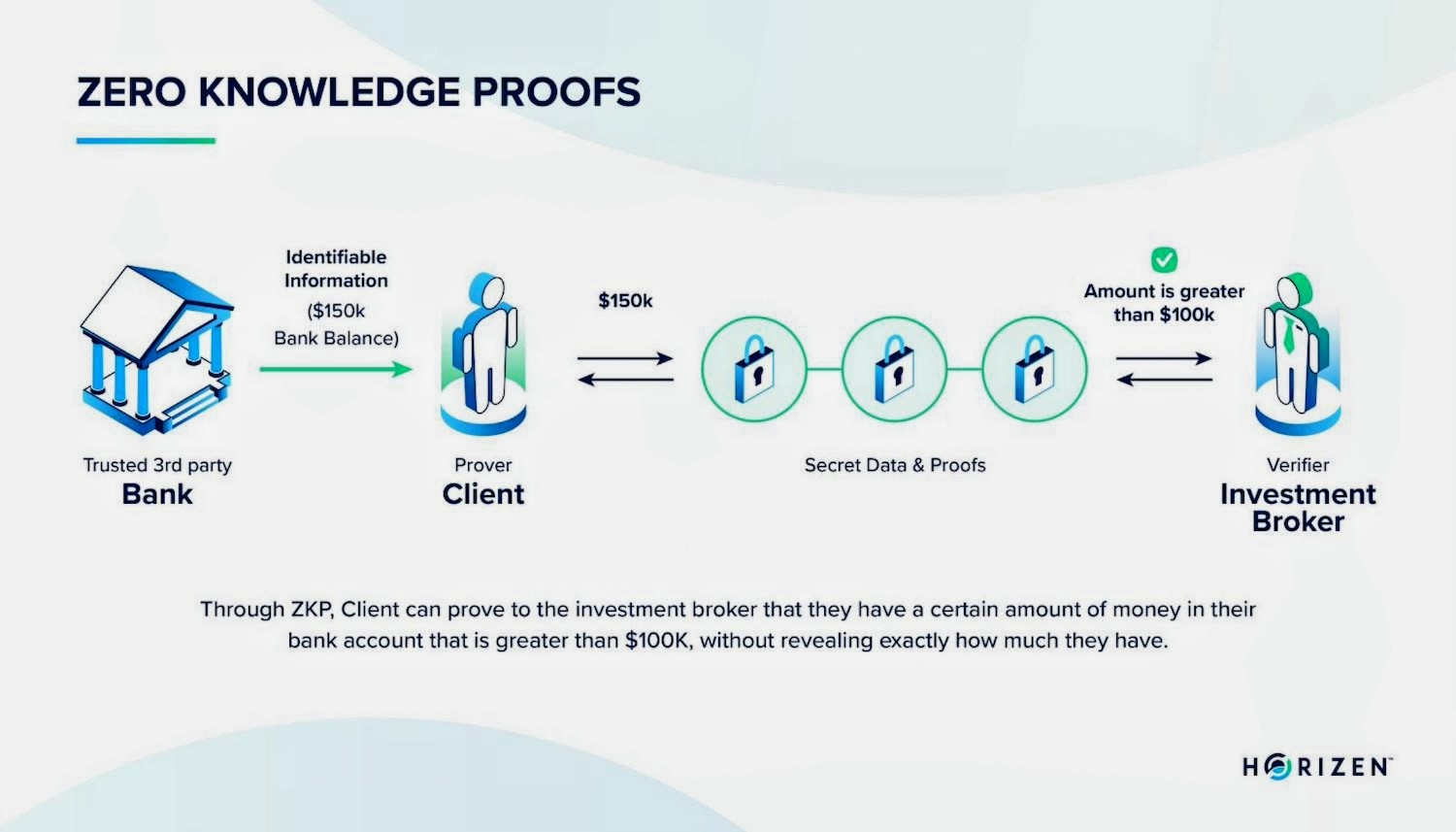
Zero-knowledge proofs were first thought up in the 1980s by researchers like Shafi Goldwasser, Silvio Micali, and Charles Rackoff. But it’s only recently, with the rise of blockchain tech, that they’ve really started to shine. The key idea is that no “knowledge” gets leaked, while still ensuring the proof is both complete (if the statement’s true, it can be proven) and sound (false claims can’t trick the system).
How ZKPs Work in Cryptocurrency
Let’s get a bit deeper, but don’t worry—I’ll keep it simple! In crypto, ZKPs are often implemented through protocols like zk-SNARKs (Zero-Knowledge Succinct Non-Interactive Argument of Knowledge) or zk-STARKs (Scalable Transparent Argument of Knowledge). These create small “proofs” that blockchains can quickly verify.
Here’s how it goes in a blockchain context:
The prover generates the proof: Using private info (like your wallet balance) and public info (like transaction rules).
The verifier checks the proof: The network confirms the proof is valid without needing to see the private data.
This is huge because, in traditional blockchains like Bitcoin, transactions are visible and traceable. With ZKPs, we get true privacy—no one can see the details, but the network still knows everything checks out.
Another way to think about it is this:
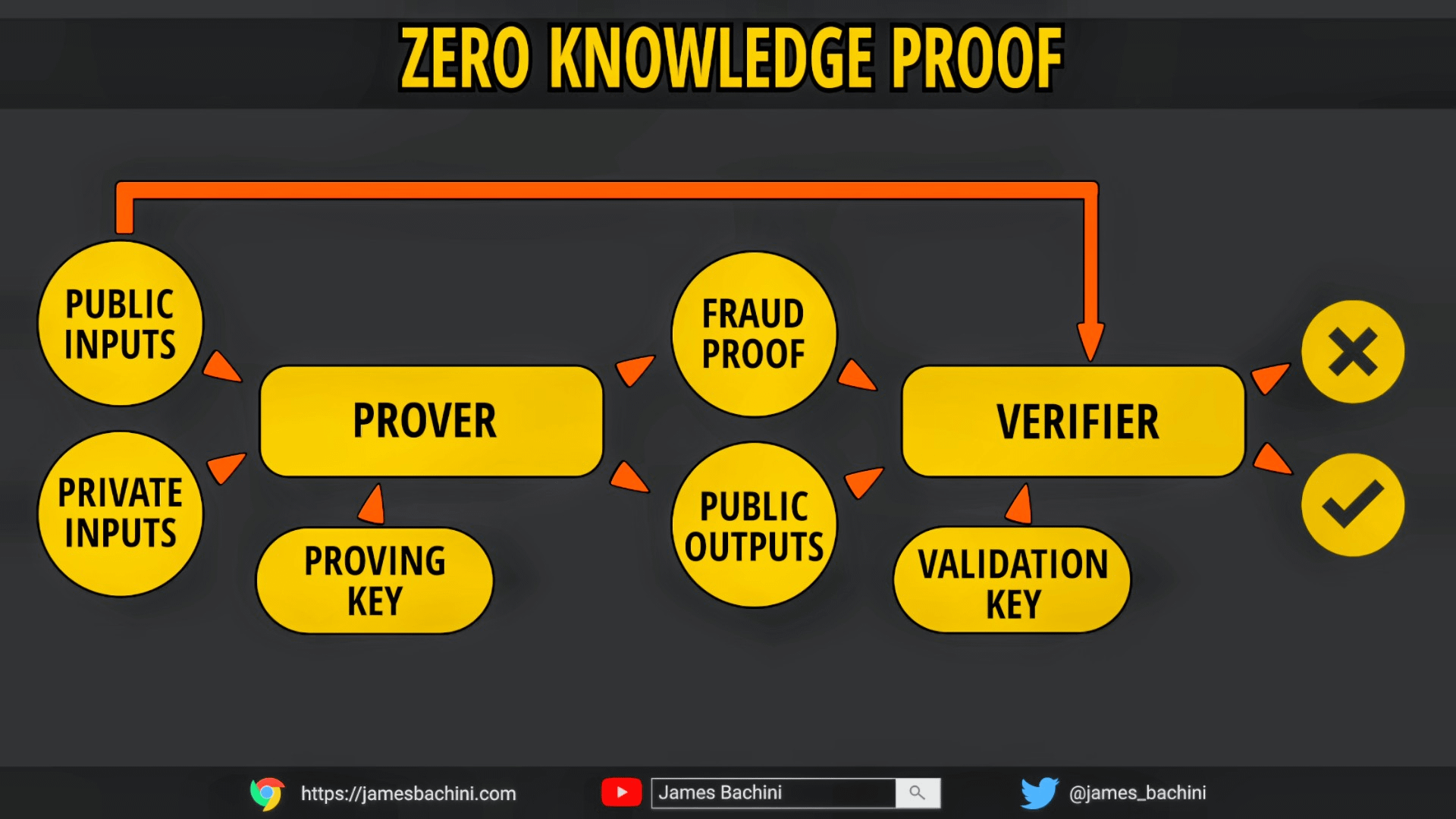
The beauty of ZKPs is that they’re super efficient—small in size and quick to verify. This means they’re perfect for scaling blockchains without bogging down the system.
Real-World Applications and Projects
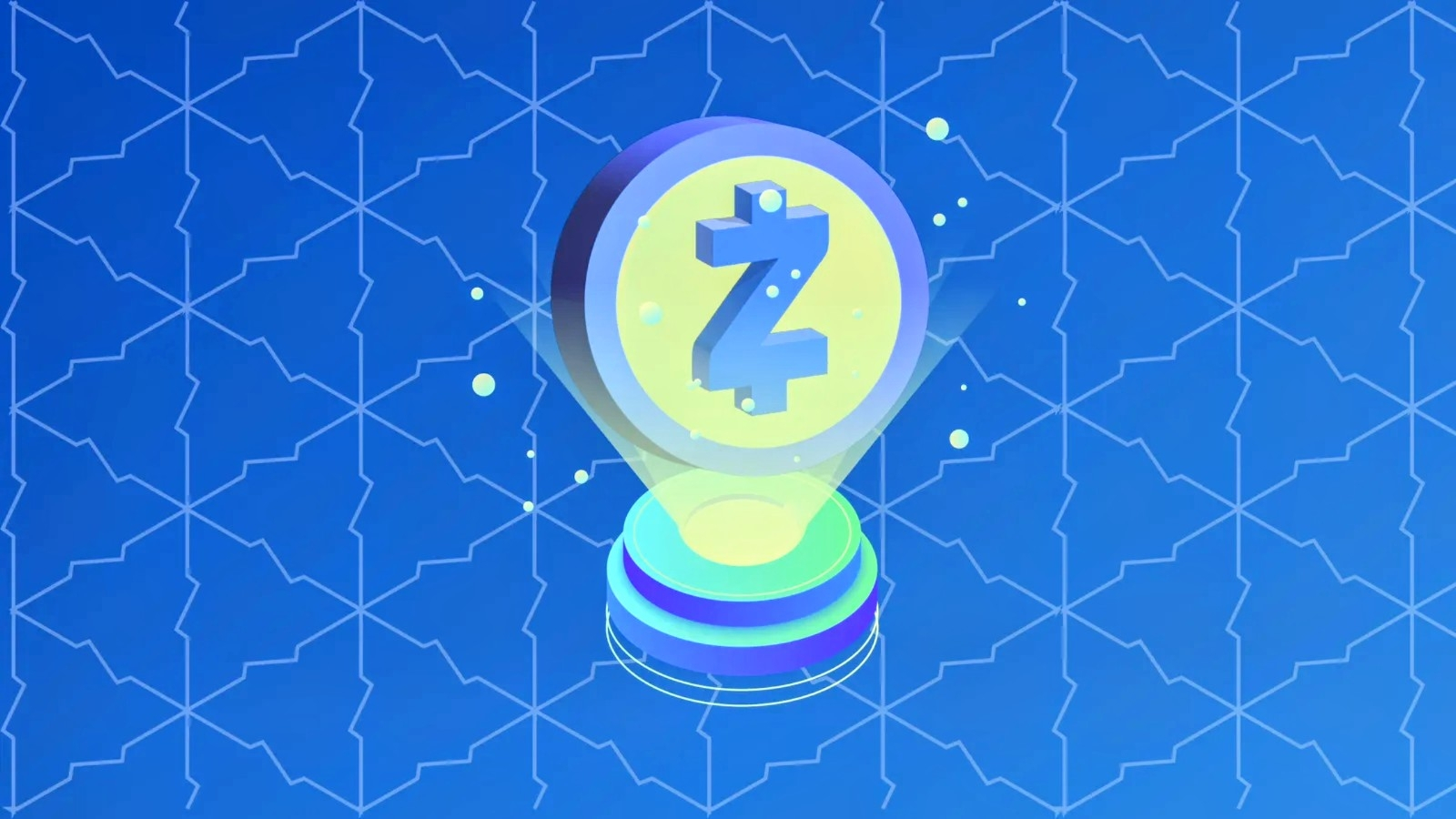
ZKPs aren’t just a theoretical concept—they’re already powering real-world crypto projects. Take Zcash (ZEC), for example. It uses zk-SNARKs for shielded transactions, meaning you can send ZEC without anyone knowing the sender, receiver, or transaction amount. It’s like digital cash, but with even more privacy.
Check out this illustration showing Zcash’s privacy shield:
And it’s not just about privacy coins. ZKPs are also being used in scaling solutions. Ethereum’s Layer 2 rollups, like zkSync and Polygon zkEVM, bundle transactions off-chain and submit a single ZKP to the mainnet. This dramatically reduces fees and speeds things up—think thousands of transactions per second versus Ethereum’s 15-30.
Some other cool uses of ZKPs include:
Decentralized Identity: Prove things like your age or qualifications without revealing too much.
Secure Voting: Verify votes without exposing how people voted.
Supply Chain Tracking: Confirm the authenticity of products without sharing sensitive business info.
Projects like Worldcoin are using ZKPs for privacy-preserving iris scans to prove that you're human. Meanwhile, Immutable uses ZKPs to enable gas-free NFT gaming.
What’s Happening in 2025-2026?
The ZKP space is evolving fast. By 2025, the market is estimated to be worth around $1.28 billion, and it’s projected to grow to $7.59 billion by 2033. A lot of this growth is due to Ethereum’s Layer 2 solutions, which are handling over 60% of ZK transactions.
In 2025, the Zero-Knowledge KYC market took off, going from $83.6 million to a projected $903.5 million by 2032. Ethereum is set to launch mid-2026 upgrades that will include zero-knowledge validation, making the network more efficient. Plus, regulations like the U.S. GENIUS Act (passed in 2025) are promoting privacy-compliant stablecoins, where ZKPs allow for selective disclosure without full transparency.
Looking ahead to 2026, we can expect faster proofs thanks to hardware acceleration, more AI integration with ZKPs, and better tools for developers like zkVMs (virtual machines). Projects like Scroll are leading the way with zkEVMs, boasting a $748 million Total Value Locked (TVL).
It’s an exciting time for ZKPs as they bridge the privacy needs of the crypto world with the demands of larger institutions.
Benefits and Why ZKPs Matter
Why should we get excited about ZKPs? For one, they offer privacy. In a world where data breaches are all too common, ZKPs let you control what you share. Plus, they bring scalability to the table. By compressing data, ZKPs make blockchains faster and cheaper to run—critical as crypto becomes more mainstream.
Here’s the best part: This technology can help the unbanked, protect activists in oppressive regimes, and create a more equitable financial system. Imagine a world where you control your financial history, but it’s still verifiable when you need a loan or want to make a trade.
Here’s an example of ZK rollups in action on Ethereum:
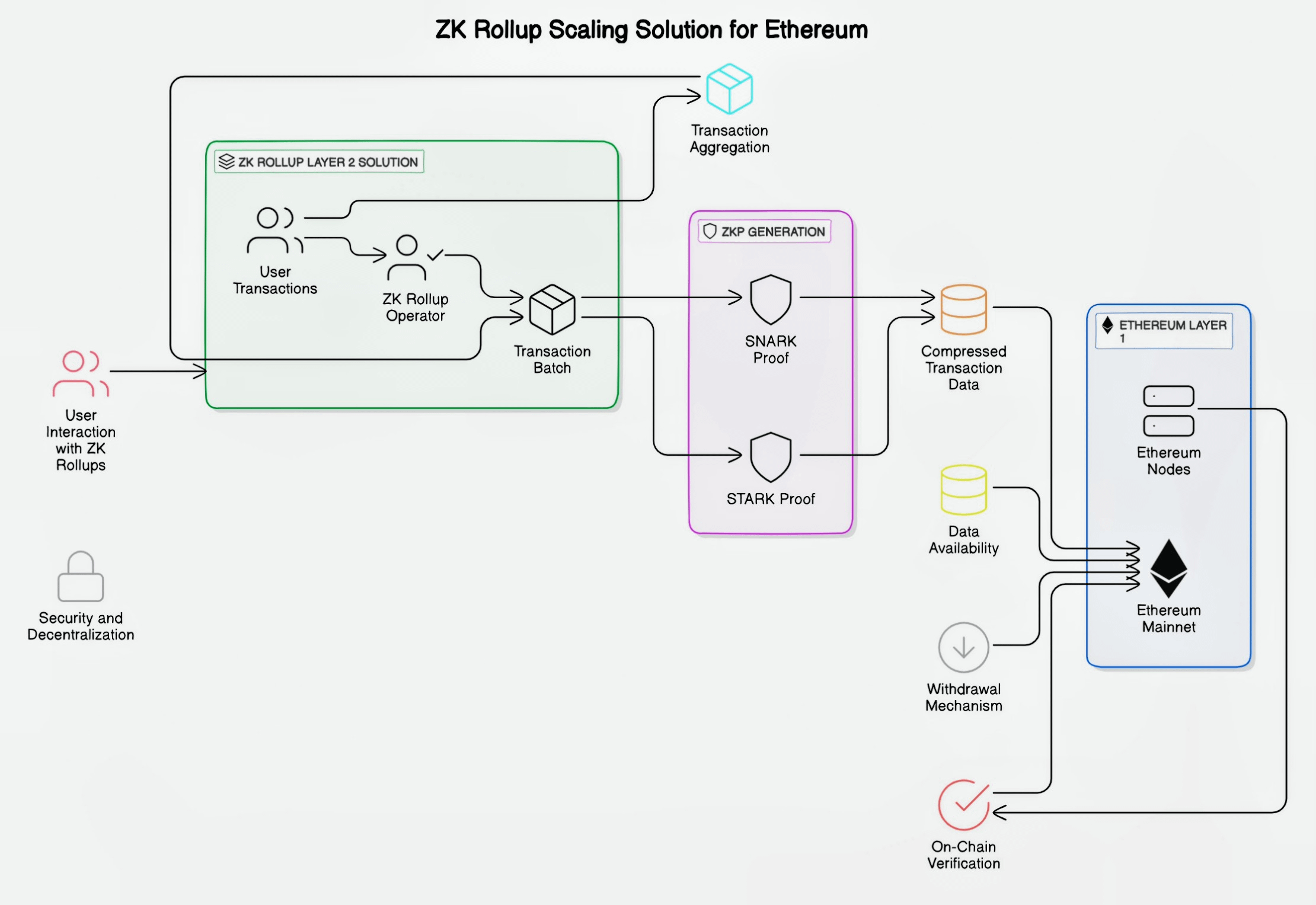
The potential for ZKPs is massive—by 2027, the market could be worth over $25 billion, changing the game in DeFi, gaming, and beyond.
Challenges to Keep in Mind
Of course, no technology is perfect. ZKPs can be computationally intense, and generating the proofs requires quite a bit of processing power. But new hardware solutions, like Cysic chips, are helping with this. There’s also a bit of a learning curve for developers, and like with any tech, bad implementations could introduce risks.
But here’s the thing: these challenges are what make crypto so innovative. If we can overcome them, the rewards will be huge.
How to Get Involved
Ready to jump in and get your hands dirty? Here’s how:
Learn More: Start by reading about Zcash or zkSync. Play around with a shielded transaction on the Zcash wallet.
Experiment: Try using Layer 2 solutions like zkSync for cheap swaps on decentralized exchanges (DEXes).
Invest Smartly: Consider tokens like ZEC, ZK (zkSync), or STRK (Starknet). Look into Total Value Locked (TVL) and adoption rates—Scroll is a leader in zkEVMs.
Build or Contribute: If you’re a developer, explore zk-SNARK libraries on GitHub and start tinkering.
Stay Updated: Follow the latest news on Ethereum’s ZK upgrades in 2026 and beyond.
Just remember, always start with small amounts and use secure wallets. The key is to make informed decisions, and ZKPs can help you protect your assets while diving into the space.
Wrapping It Up: The Future Is Private and Powerful
Zero-knowledge proofs are more than just a buzzword—they’re quietly revolutionizing crypto by making it safer, faster, and more inclusive. Whether you’re just starting out or you’re a seasoned trader, adopting ZKPs can give you an edge in the ever-evolving crypto world. It’s empowering to think we can have transparency when needed, but keep our privacy where it matters most. So, what are you waiting for? Dive in, stay curious, and let’s build a better financial future together. If this sparked your interest, I’d love to hear your thoughts below, what do you think about ZKPs?


