Two signals changed my view on @Vanarchain recently: memory and usability.
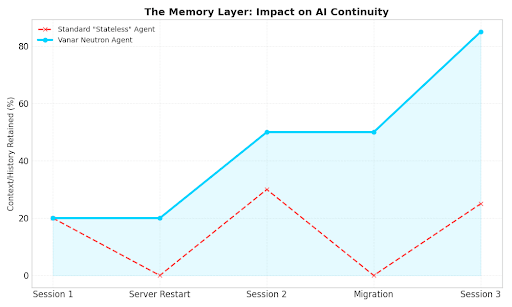
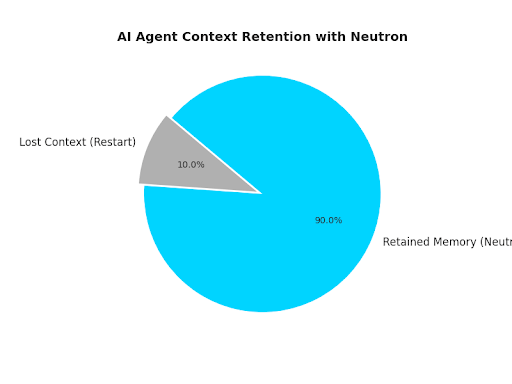
First, the launch of Neutron API connected to OpenClaw. Most AI agents today are “stateless.” Restart the server, migrate the instance, and they forget everything—user preferences, past tasks, contextual history. Neutron introduces an external, independent memory layer. Any agent built on OpenClaw can plug into it and gain persistent, cross-instance continuity.
This is not a marketing narrative about “AI memory.” It’s an actual API call. That shift—from storytelling to tool-building—matters. If open-source agent frameworks become mainstream, the default memory component becomes critical infrastructure. Stripe didn’t win by talking about payments; it won by becoming the easiest embedded layer. #vanar is positioning Neutron the same way: as a standard memory module for the agent economy.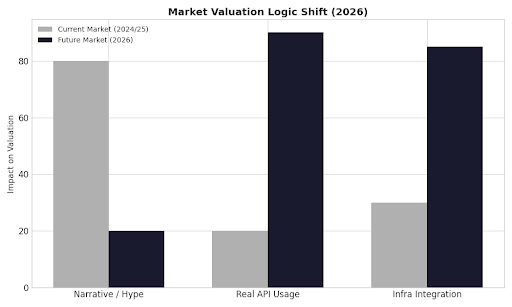
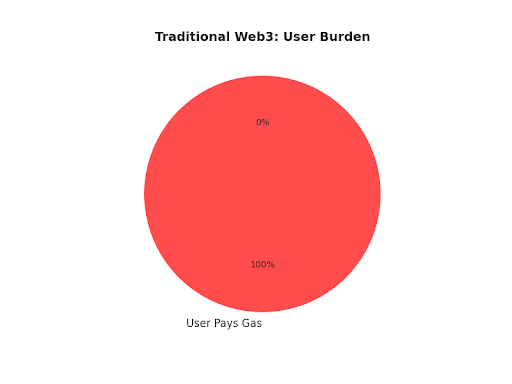
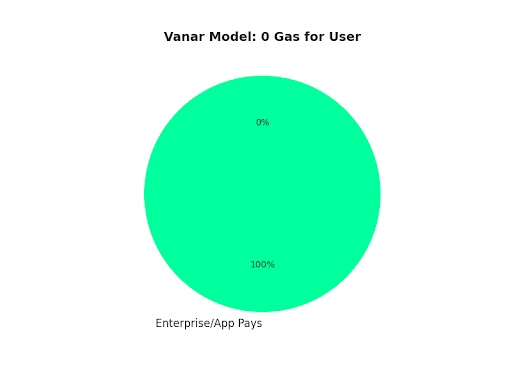
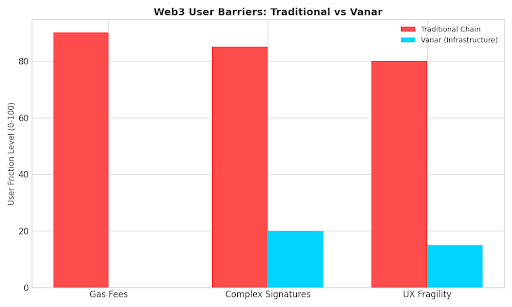
Second, $VANRY is tackling Web3’s biggest bottleneck: user threshold. Gas fees, complex signatures, and fragile UX block mass adoption. Vanar’s 0 Gas architecture—where enterprises can absorb transaction costs—removes friction for end users. That is how Web3 moves from crypto-native circles to real commercial deployment.
Add its growing enterprise integrations and cloud-level partnerships, and the direction becomes clear: stable, compliant, low-friction infrastructure for large-scale applications.
In 2026, valuation won’t favor chains shouting narratives. It will favor protocols that quietly power real APIs, real memory persistence, and real user adoption.
#vanar ’s transition from slogan-driven L1 to infrastructure component may be the first step in rewriting its long-term value logic.