
There’s a small but constant mental load that comes with using stablecoins on most blockchains. It’s not dramatic enough to complain about loudly, but it’s always there. Before you send funds, you check the network. You confirm the gas token balance. You glance at the fee estimate. You hope congestion doesn’t spike mid-transaction. None of this is catastrophic. It’s just… tiring.
Plasma feels like it’s designed around the idea that money shouldn’t require this much attention.
Stablecoins already solved one major problem in crypto: volatility. They let people think in dollars, not token charts. But the rails underneath them still behave like experimental systems. When the infrastructure forces users to stay alert, stablecoins stop feeling like money and start feeling like an app that demands supervision.
Plasma seems to start from a simple premise: supervision should not be part of basic payments.
When “Just Send It” Isn’t Actually Simple
In theory, sending stablecoins should be the easiest action in crypto. In practice, it’s layered with invisible dependencies. You need the correct gas asset. You need to understand the fee market. You need to trust that finality won’t wobble under stress. For seasoned users, this is manageable. For institutions and high-volume operators, it’s friction multiplied at scale.
Plasma’s stablecoin-first approach addresses that friction directly. Allowing fees to be paid in stablecoins — and removing them entirely for certain straightforward transfers — isn’t a gimmick. It’s a structural choice. It shifts the burden of complexity away from the sender and into the protocol design.
That shift changes who can comfortably use the network.
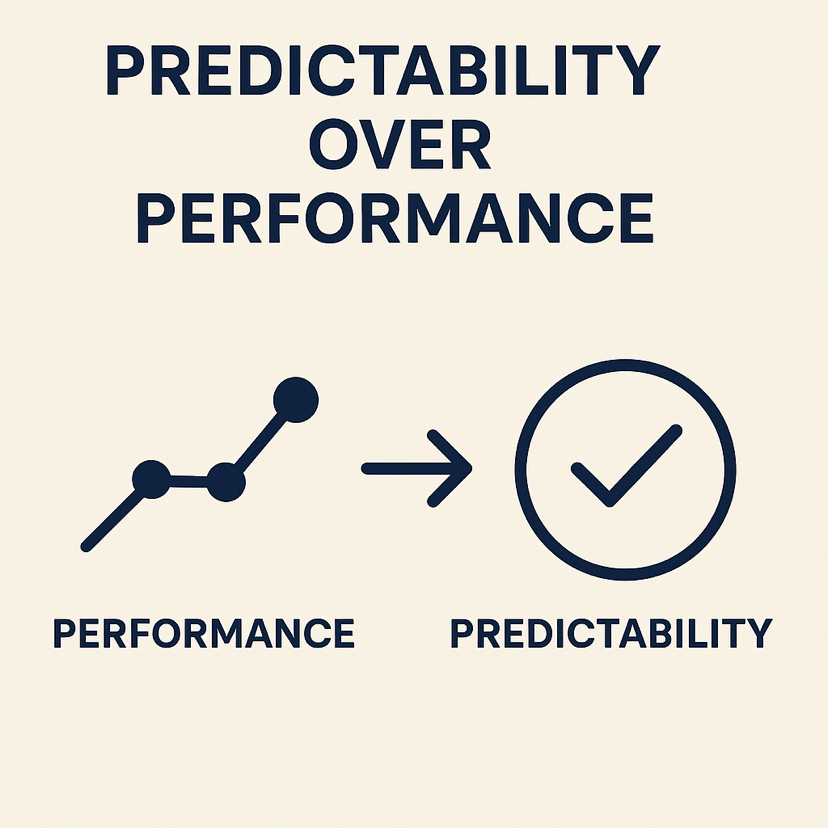
Predictability Over Performance
Crypto discussions often revolve around performance metrics: transactions per second, block times, throughput ceilings. Plasma’s emphasis feels different. Instead of chasing extremes, it prioritizes predictability. Sub-second finality isn’t presented as a race result. It’s positioned as reassurance.
Payments don’t need spectacle. They need closure. When a transaction settles and stays settled, workflows stabilize. Reconciliation becomes mechanical instead of interpretive. Teams don’t have to build internal buffers around uncertain confirmation times.
In that sense, Plasma’s consensus design isn’t about speed — it’s about removing doubt.
Stablecoins as Infrastructure, Not Side Feature
Most general-purpose chains treat stablecoins as one asset among many. Plasma treats them as the reason the network exists. That orientation changes incentives. Instead of optimizing for token variety or speculative activity, the design centers on stablecoin movement at scale.
This focus is visible in how gas works, how transactions finalize, and how developer tools remain familiar through EVM compatibility. Plasma doesn’t demand a new mental model from builders. It respects existing workflows. That’s rarely glamorous, but it’s how infrastructure spreads.
Software that fits habits tends to outlast software that tries to replace them.
The Role of $XPL Behind the Scenes
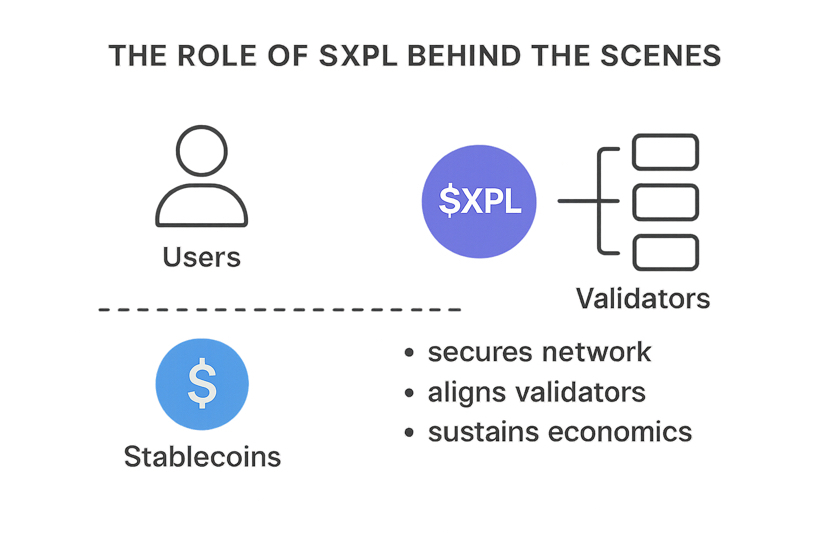
In a stablecoin-centric environment, the native token inevitably operates behind the curtain. $XPL secures the network, aligns validators, and sustains the system’s economics. It isn’t pushed into every user interaction. That separation feels deliberate.
Users remain in stablecoins. The network’s coordination asset does its work quietly. This mirrors how traditional payment rails function: the settlement asset and the user-facing currency are not always the same thing. Plasma’s structure reflects that maturity.
Restraint in token design is rare. It’s also necessary for systems aiming to be infrastructure rather than ecosystems.
Adoption That Feels Uneventful
Plasma doesn’t project the energy of a hype cycle. It feels more like a quiet utility being built out. Stablecoin-heavy transaction activity suggests usage aligned with its thesis. That kind of growth rarely trends, but it compounds.
If stablecoin transfers become routine on a network, users stop thinking about chains entirely. They think about outcomes: payroll sent, invoice settled, funds received. The chain fades into the background. Ironically, that invisibility is often the strongest signal of success.
Questions That Still Matter
No infrastructure is immune to scrutiny. Gas sponsorship mechanisms must remain sustainable. Validator incentives must stay aligned under pressure. Governance decisions around fee policies and asset support will define long-term neutrality. These aren’t theoretical concerns — they are the real stress points of any settlement layer.
Plasma’s philosophy suggests awareness of those trade-offs. Whether the model holds under scale is something only time can validate.
A Different Kind of Ambition
Plasma doesn’t feel like it’s trying to expand what crypto can do. It feels like it’s trying to shrink what users need to think about. If stablecoins are already digital dollars, then the real upgrade isn’t speed or composability. It’s calm.
If Plasma succeeds, people won’t describe themselves as using a particular Layer 1. They’ll simply say they sent money — and move on without a second thought.
That might be the most meaningful kind of progress.

