
Plasma is preparing a major shift in 2026 with the launch of its canonical pBTC bridge, and from what I see, this is not just another wrapped Bitcoin product. It is a structural move to bring Bitcoin directly into decentralized finance as a native ERC 20 asset on an EVM compatible Layer 1. Instead of relying on custodians or synthetic exposure, Plasma is building a non custodial system where real BTC backs every pBTC one to one. Combined with zero fee stablecoin rails and sub second settlement, this framework unlocks lending, borrowing, perpetual trading, and yield generation using actual Bitcoin liquidity. For me, the biggest takeaway is simple. Dormant Bitcoin capital finally becomes programmable without surrendering its security foundation.
Trust Minimized Minting and Redemption Architecture
The minting process is designed to be straightforward yet cryptographically enforced. A user deposits BTC into a designated address that is monitored by decentralized verifiers running full Bitcoin nodes. Once the deposit reaches the required confirmations, these verifiers reach quorum through threshold signatures and mint an equivalent amount of pBTC on Plasma.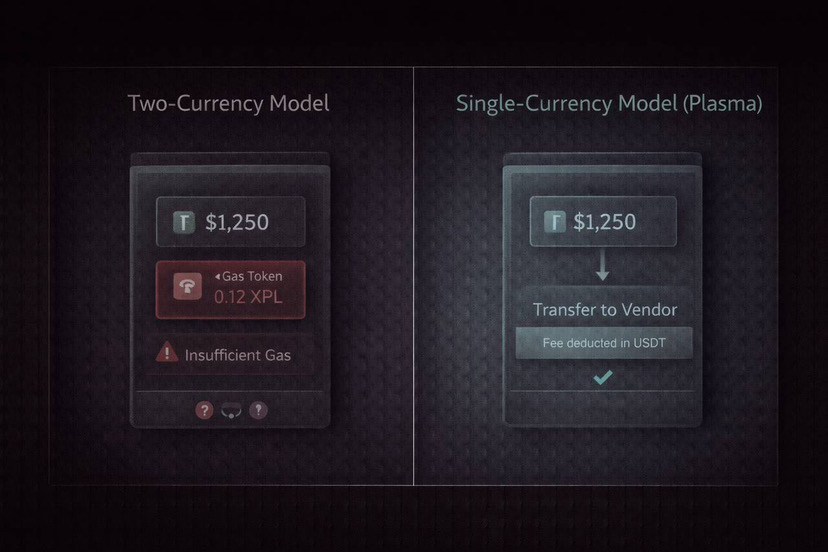
Redemption works in reverse. The user burns pBTC on Plasma and specifies a Bitcoin address for withdrawal. Verifiers confirm the burn event and sign a transaction that releases the original BTC. Because signatures require a distributed threshold rather than a single custodian key, no single party controls the funds. Malicious behavior is discouraged through slashing mechanisms tied to bonded collateral.
Compared to custodial models that rely on a central entity holding Bitcoin reserves, this system removes third party dependency. Bitcoin proof of work secures the base layer, Plasma validators coordinate execution, and Ethereum based fraud proofs provide an additional dispute resolution layer. I see this as a three tier security alignment rather than a simple bridge.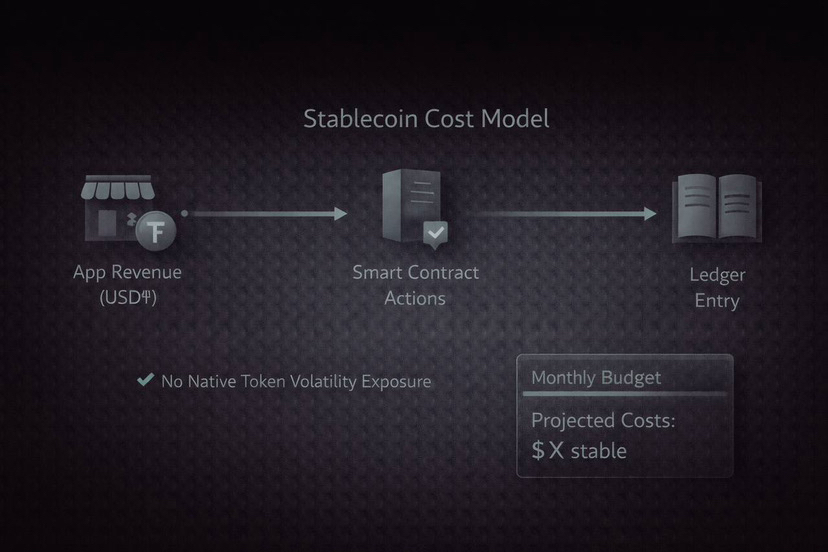
Unlocking Bitcoin Lending and Borrowing
Once pBTC exists on Plasma, it becomes usable across lending markets. Holders can deposit pBTC as collateral, borrow stablecoins such as USDT, and maintain exposure to Bitcoin upside without selling. This changes the psychology of Bitcoin ownership. Instead of choosing between holding or using capital, users can do both.
On the supply side, pBTC depositors earn yield from borrowers. On the demand side, borrowers access liquidity for trading, payments, or reinvestment. Plasma’s fast settlement and precise ordering reduce liquidation risks during volatility, which is critical when BTC markets move quickly. In my view, this makes leverage and credit markets feel more predictable and usable compared to congested networks.
Derivatives and Perpetual Markets at High Speed
Plasma also extends pBTC into derivatives. BTC USDT perpetual contracts can operate with rapid liquidations and accurate timestamp ordering, reducing the front running behavior that has historically affected traders on slower chains. Deep USDT liquidity pools amplify capital efficiency, while arbitrage across connected ecosystems keeps pricing aligned.
For active traders, this means margin positions and options strategies backed by real Bitcoin collateral rather than synthetic exposure. For institutions, it creates the opportunity to hedge BTC positions directly on a programmable layer without relying solely on centralized exchanges.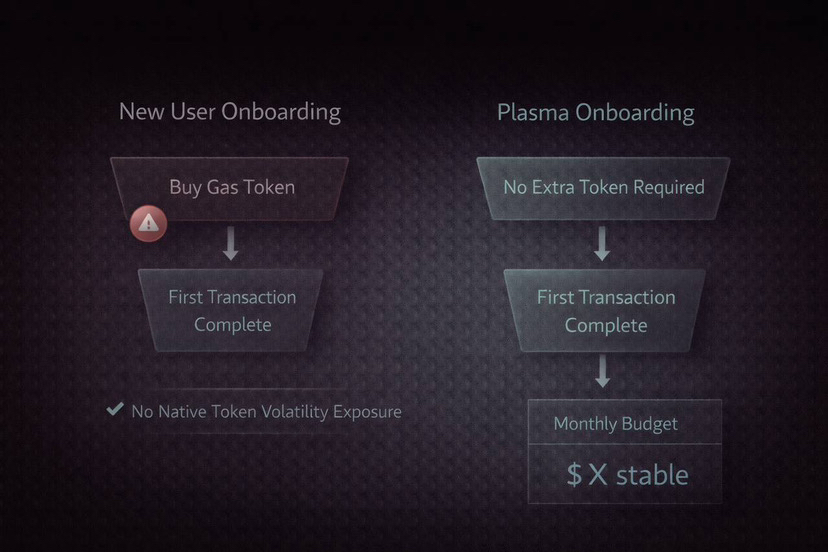
Yield Farming and Liquidity Strategies
Liquidity provision becomes another avenue for pBTC holders. By pairing pBTC with stablecoins in decentralized exchanges, users earn trading fees and additional incentives. Concentrated liquidity models can reduce inefficiencies, and fixed yield products allow longer term positioning.
What stands out to me is that these strategies are built on actual Bitcoin collateral. Yield is generated through productive use of capital rather than inflationary token rewards alone. That distinction matters when thinking about sustainability.
Everyday Utility Through Plasma One
Beyond trading and lending, Plasma integrates pBTC into consumer finance through its neobank layer. With support for payment cards and merchant integrations, users can spend Bitcoin value in daily life while backend systems convert and settle efficiently. Cashback and yield mechanisms allow users to maintain exposure while participating in commerce.
For cross border remittances, the experience becomes even more compelling. Sending satoshis internationally and enabling recipients to spend locally without friction blends Bitcoin’s neutrality with modern payment convenience. To me, this is where technical architecture turns into real world impact.
Multichain Expansion and Liquidity Reach
Through omnichain token standards, pBTC can extend beyond Plasma while preserving unified supply logic. This reduces fragmentation and avoids the liquidity silos that often emerge with multiple wrappers. Arbitrage keeps markets efficient, and developers across EVM ecosystems gain access to Bitcoin backed liquidity without launching separate bridge mechanisms.
The result is a more coherent Bitcoin liquidity layer that interacts fluidly with broader decentralized finance markets.
Security Layers and Incentive Alignment
Security remains central. Verifiers stake network tokens and face penalties for dishonest behavior. Fraud proof mechanisms allow disputes to escalate if needed. Periodic synchronization with Bitcoin strengthens finality assurances. Instead of relying on trust, the system relies on economic alignment and layered verification.
I believe this layered model is crucial if billions of dollars in Bitcoin are to move confidently into programmable environments.
2026 Rollout Path and Liquidity Goals
The roadmap unfolds in stages. Early phases focus on validator readiness and audits. Mid year introduces pBTC on mainnet along with payment integrations. Later stages expand into stablecoin minting and merchant adoption. User growth targets and liquidity milestones aim to demonstrate that Bitcoin capital can circulate actively rather than remaining idle.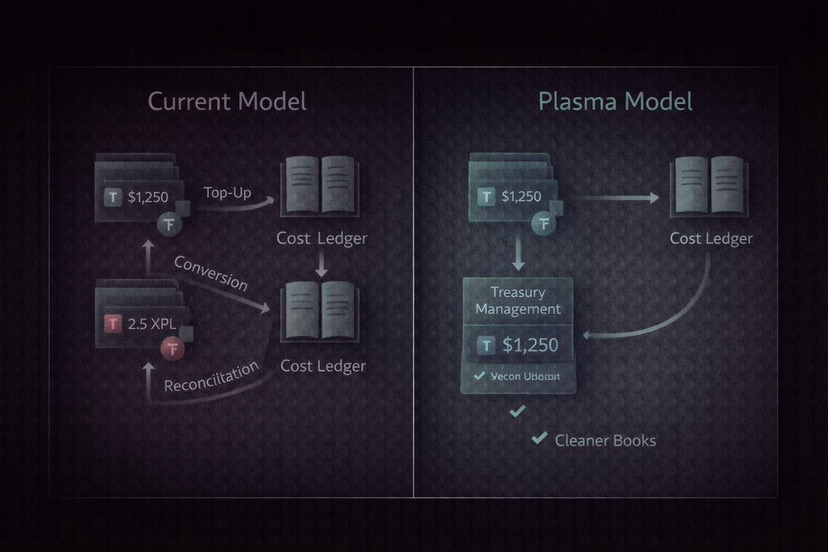
If adoption scales as planned, billions in BTC liquidity could become accessible to decentralized markets within a year.
Bitcoin Enters Its Programmable Era
Plasma’s pBTC initiative reframes Bitcoin’s role in decentralized finance. Holders gain yield opportunities without sacrificing custody principles. Traders gain deeper collateral pools. Merchants gain programmable settlement. Developers gain access to the largest crypto asset by market value in a fully composable format.
When I look at the broader picture, I see more than a bridge. I see an attempt to turn Bitcoin into an active financial layer while preserving its foundational security. If even a fraction of the trillion dollar Bitcoin market begins moving through systems like this, decentralized finance could enter a new phase defined not by synthetic speculation but by real capital at scale.

