

Let’s talk about something huge that’s been unfolding in the crypto world this past year. I’m talking about Plasma Finance and its native token XPL. This isn’t some small experiment anymore. It’s become one of those projects that’s challenging how stablecoins move and how blockchains can be built for real-world financial use. I’m going to break down everything that matters right now the good, the shaky, what’s been added recently to the ecosystem, and how this all connects back to us as holders, builders, and community members.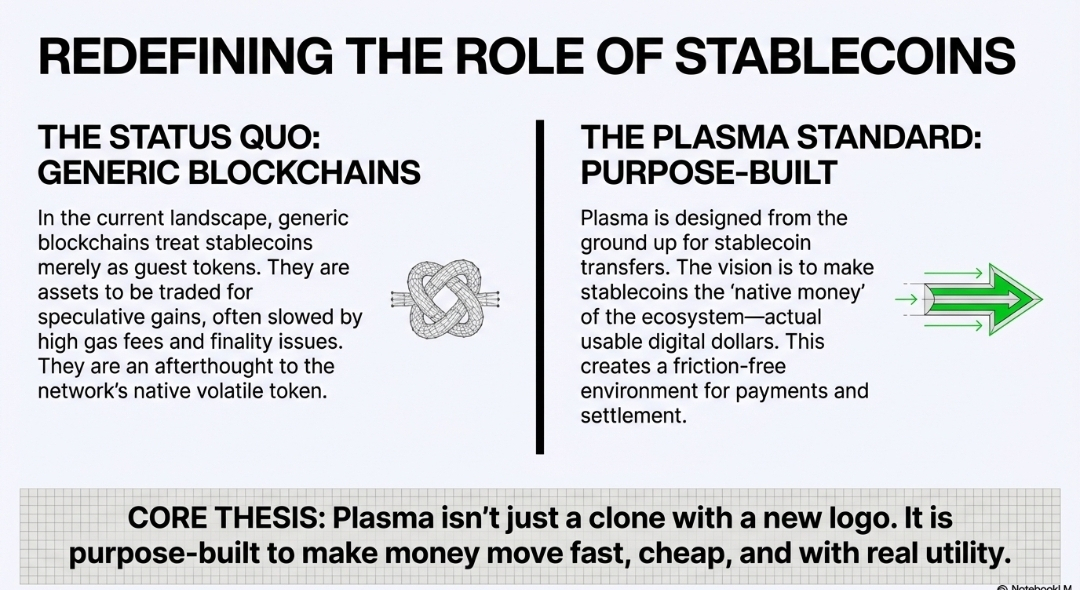
Why Plasma and $XPL Even Exist
First things first: Plasma isn’t just another blockchain cloning Ethereum with a new logo. It was designed from the ground up to handle stablecoin transfers and to do them fast, cheap, and with utility that feels like real money. Unlike general blockchains that treat stablecoins as just another token, Plasma’s vision is that stablecoins become the native money of its ecosystem actual usable digital dollars, not just assets to trade for speculative gains.
This focus is reflected in how the native token, XPL, was structured. It’s the fuel for everything happening on Plasma transaction fees, staking, validators, governance, rewards you name it.
How Plasma Got Started
The project’s mainnet beta went live on September 25, 2025. That was a big moment not just for Plasma, but for stablecoin infrastructure as a category. Within hours, the network had over $2 billion in stablecoin liquidity locked in, and more than 100 DeFi protocols integrated from day one. That’s not just hype that’s immediate real-world use and utility out of the gate.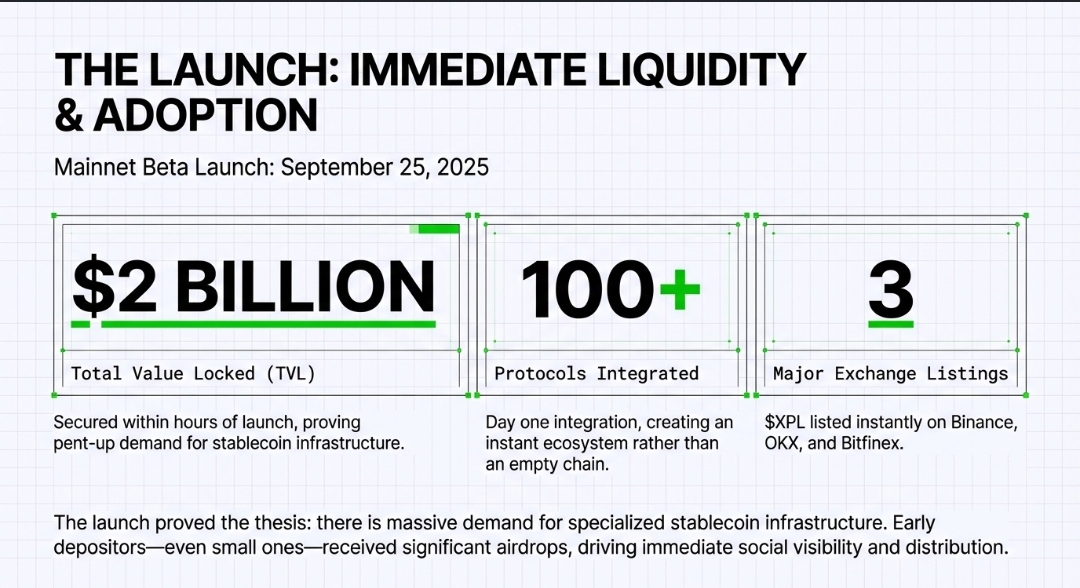
The token, XPL, also debuted at that time. It started trading across major exchanges like Binance, OKX, Bitfinex, and more. Prices popped initially and then settled into broader market trading ranges.
Early depositors on thevnetwork didn’t just get allocated XPL there were also unexpected airdrops that handed out tokens worth thousands of dollars to tiny depositors, which lit up social feeds and brought even more eyes on the project.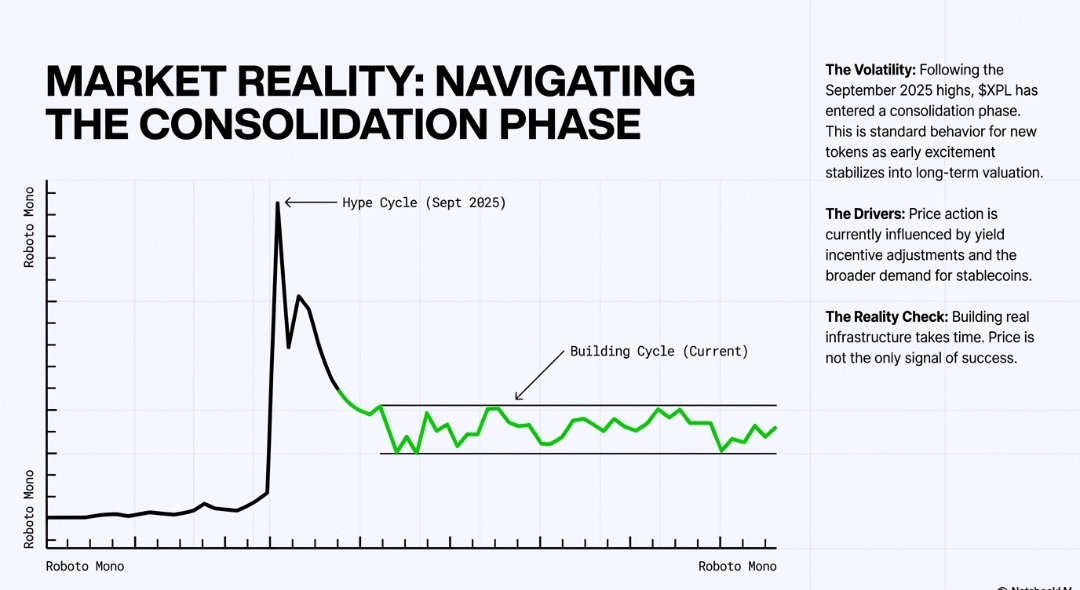
The Tech Under the Hood
Plasma’s infrastructure isn’t a simple fork. It has legitimate design choices that place it in a unique category:
PlasmaBFT: a custom consensus that pushes for super-fast finality and smooth stablecoin transfers.
EVM compatibility: meaning developers who know Ethereum tools can instantly build on Plasma without learning a new environment.
Native Bitcoin bridge: allowing Bitcoin liquidity to flow into the network seamlessly.
Sponsored gas options: meaning users can pay transaction fees in stablecoins, not necessarily in XPL, for basic payments.
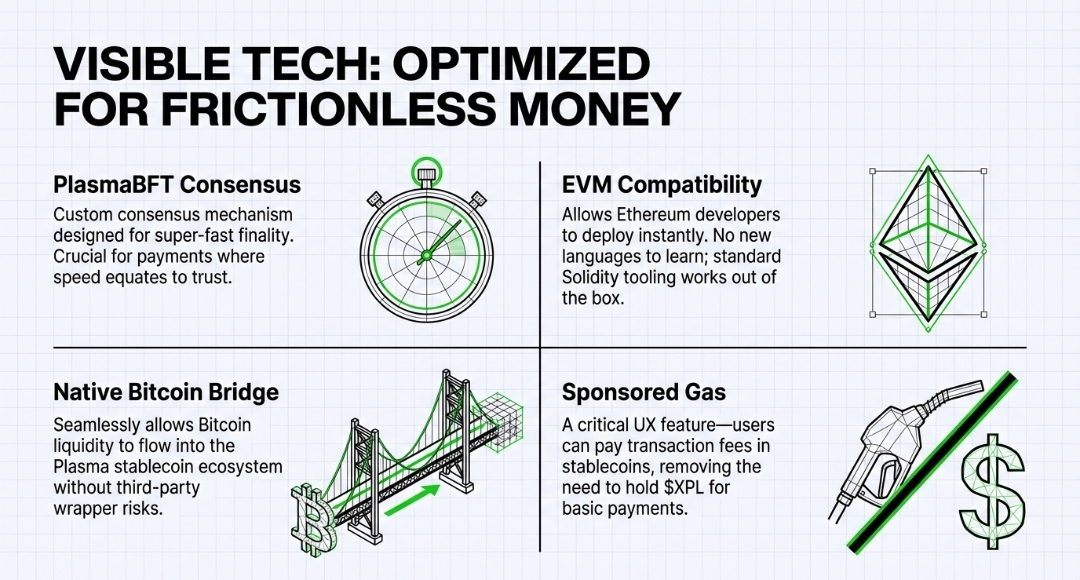
All these pieces add up to a chain that feels familiar to developers but optimized for a world where stablecoins are money, not speculative tokens.
Recent Back-End Improvements You May Have Missed
A lot of the development work going on right now isn’t flashy. We’re talking about:
Codebase refactoring to improve readability and long-term maintainability.
Better peer discovery mechanisms, meaning nodes talk to each other more reliably and securely.
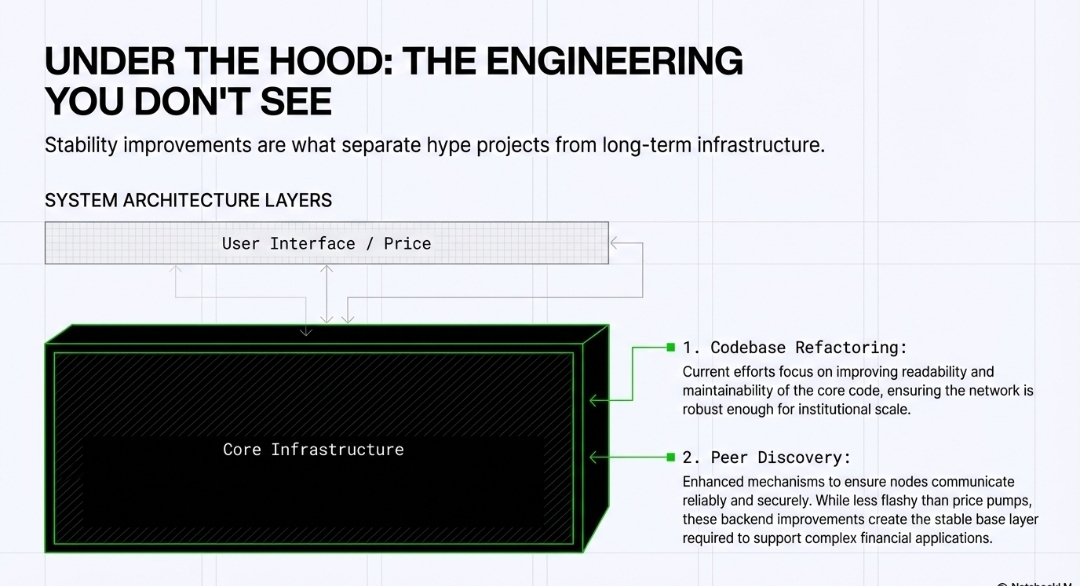
To some people these sound boring. But in reality, these stability improvements are the kind of behind-the-scenes engineering that separates hype projects from long-term infrastructure. When the base layer is stable and scalable, you can build more features on top of it.
Partnerships and Ecosystem Expansion
What I’ve been most excited about lately are the partnerships and ecosystem plays Plasma is making. These aren’t just marketing deals they’re efforts to expand real utility:
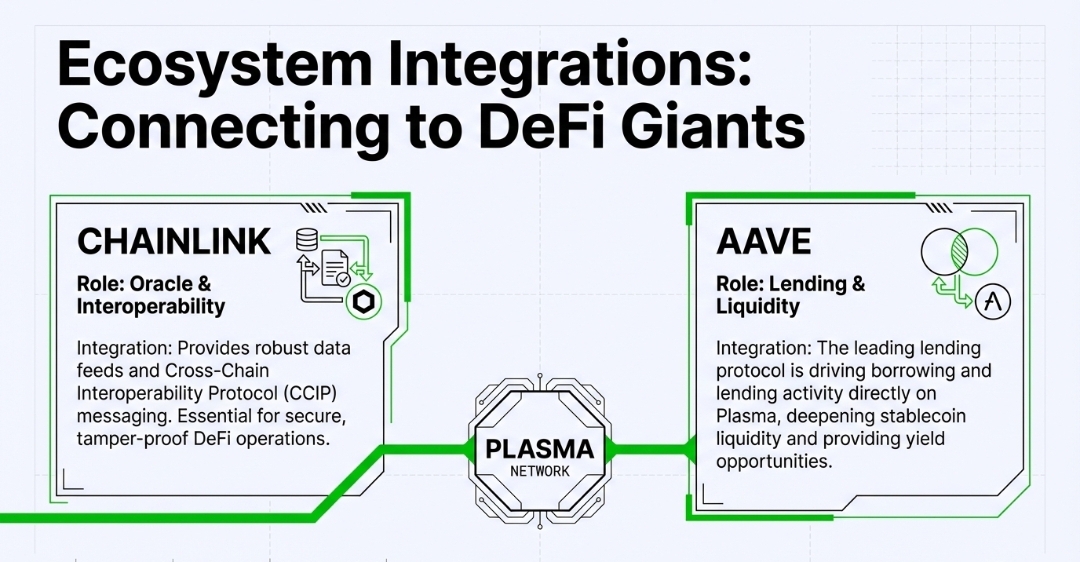
Chainlink integration brings robust oracle data feeds and cross-chain messaging options.
Aave partnership continues to grow DeFi lending and borrowing activity on Plasma.
Daylight Energy collaboration introduces yield-bearing assets tied to real-world energy outputs, like GRID and sGRID tokens blending on-chain finance with actual physical revenue streams.
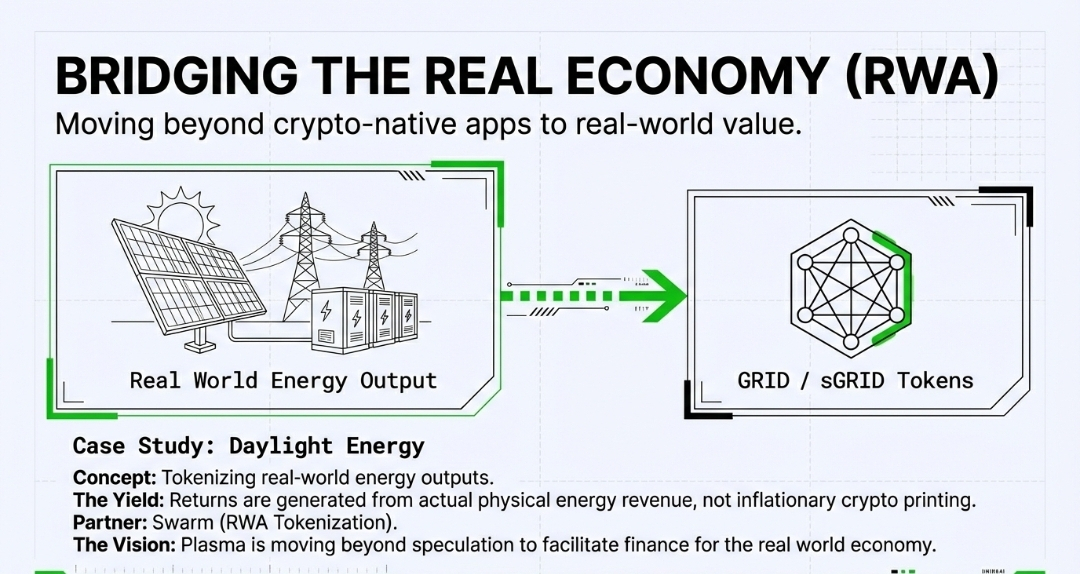
This last one is particularly cool because it sends a message: Plasma isn’t just about stablecoin transfers it’s about bridging the real economy and DeFi in meaningful ways.
Where the Token Has Been (and Where It Stands Now)
If you were around in late 2025, you know XPL had some intense price action early on, jumping significantly on mainnet launch and listing news.
But after the initial excitement, two things became clear:
1. XPL is volatile, and it’s in a consolidation phase
Like many crypto tokens, especially those with inflation or unlock schedules, XPL has seen wide price swings including deep pullbacks from its early highs.
2. Market conditions matter
When stablecoins are in demand, Plasma shows usage. When yield incentives drop and unlocks hit the market, price pressures appear.
This isn’t unique to Plasma but it’s important to understand that building real infrastructure takes time and price isn’t the only signal of success.
Tokenomics and Distribution Reality
One of the features that can confuse new users is the distribution structure:
10 billion total supply with only a fraction circulating at launch.
Significant allocations to ecosystem growth, team incentives, investors, and community sale.
Many tokens remain locked or vesting for years as part of long-term alignment.
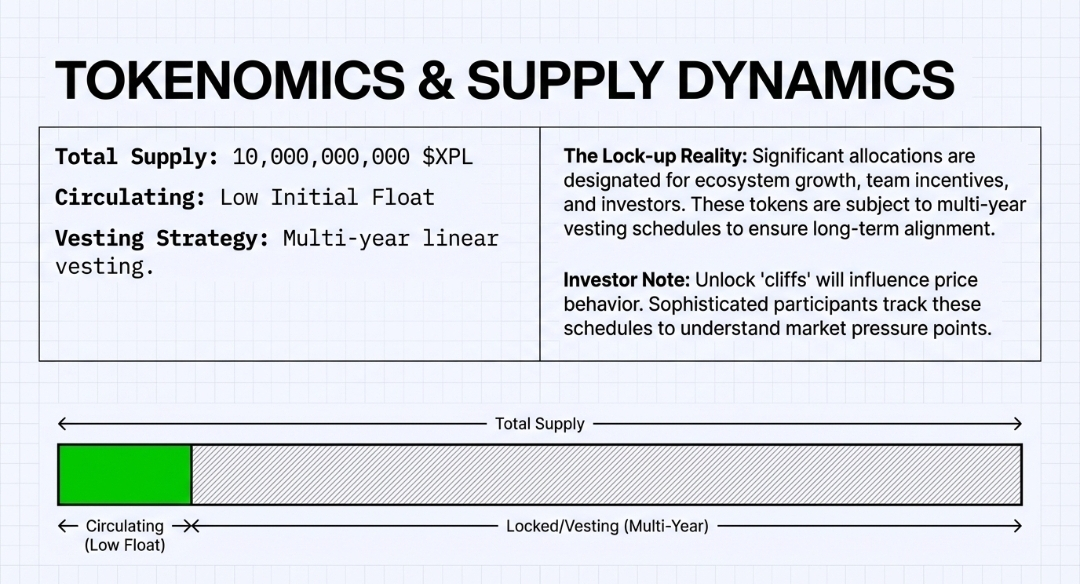
This structured approach was intended to balance early adoption with sustainable growth but it also means unlock schedules influence price behavior. If you’re tracking XPL price, you’ll want to keep an eye on upcoming unlock cliffs.
The Community and Real Use Cases
Here’s the part I want to emphasize for the community: Plasma isn’t just about speculation or yield farming. It’s about utility.
We’re seeing:
Stablecoin transfers that are practically frictionless.
Deep TVL in stablecoins across lending and borrowing markets.
Real-world asset tokenization through partners like Swarm and Daylight Energy.
That combination tells me Plasma is pursuing a path where people actually use money on the chain not just trade it.
Where We Go From Here
So what’s next for XPL and Plasma?
More stability improvements under the hood.
Greater integration with payments and consumer-level products, like the “neobank” ambitions Plasma One.
Broader adoption of yield-bearing assets and novel financial instruments tied to real-world sectors.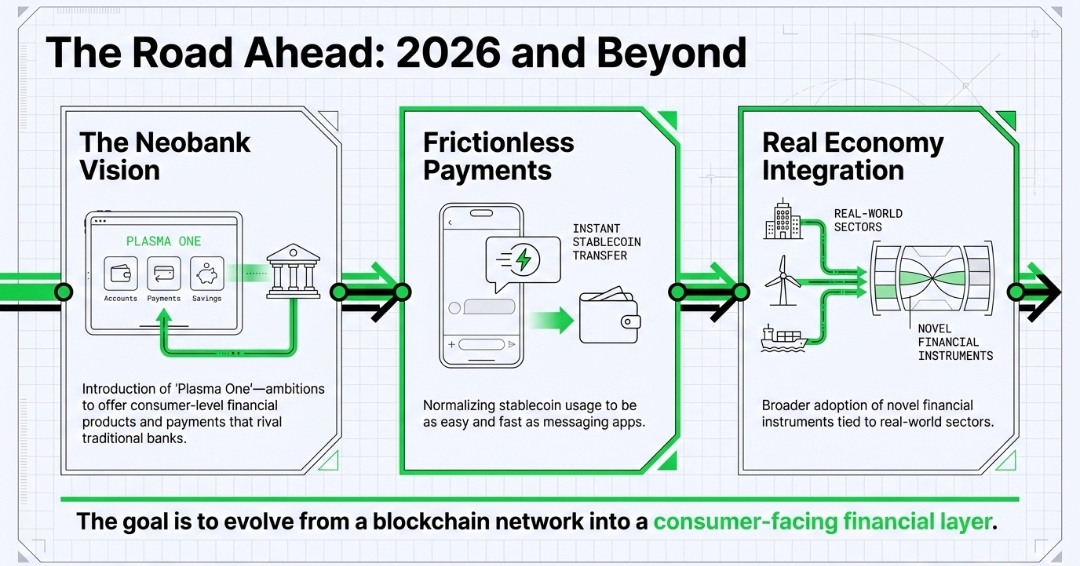
There will absolutely be volatility. Token unlocks, market sentiment swings, and macro conditions will affect prices just like any crypto project.
But for the community whether you’re hodling, building, or just watching Plasma represents something different: infrastructure that tries to normalize digital dollars, not just hype up a new token.
Closing Thoughts
If you’ve been in this space a while, you know that hype goes fast and tech stays. XPL’s narrative isn’t just about the next pump. It’s about creating infrastructure that can handle real money flows stablecoins moving like messaging apps, integrating with real assets, and expanding into global payment use cases.
Take all the price charts and noise with a grain of salt. Focus instead on the actual utility creeping into the network, the partnerships that deepen real usage, and the feature updates that lay the groundwork for a bigger ecosystem in 2026 and beyond.
This is a marathon, not a sprint. And right now, Plasma is laying down the track brick by brick.



